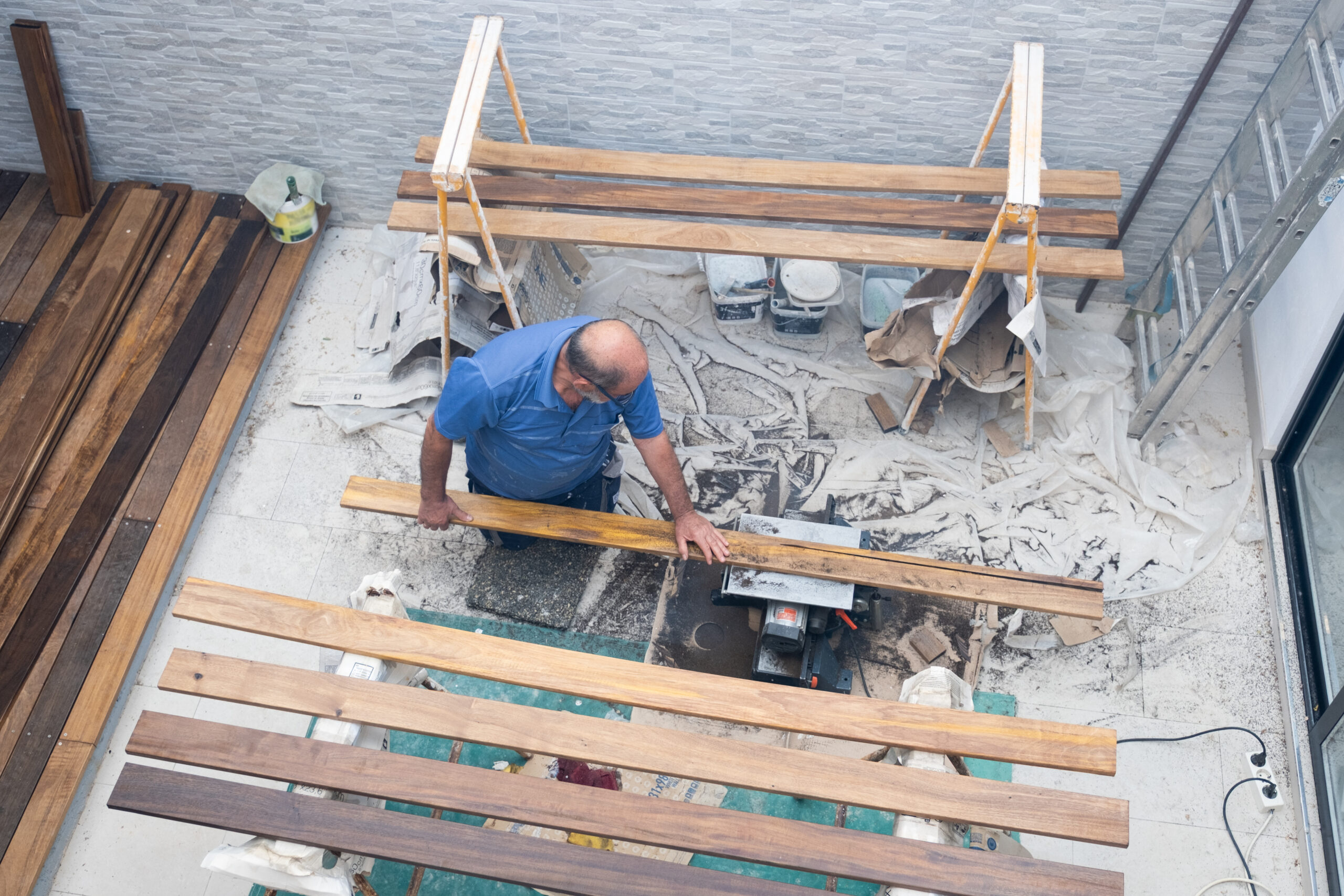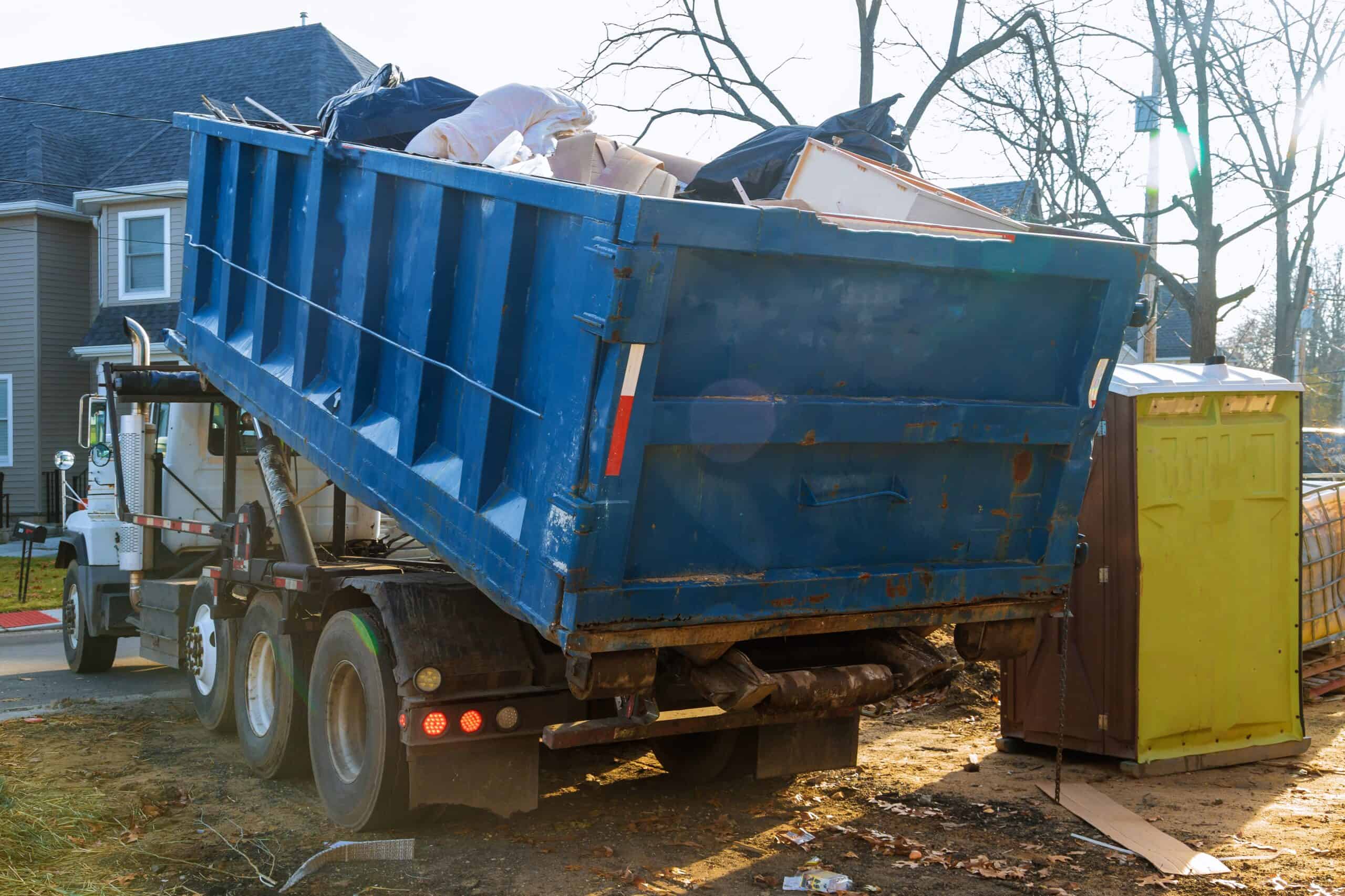
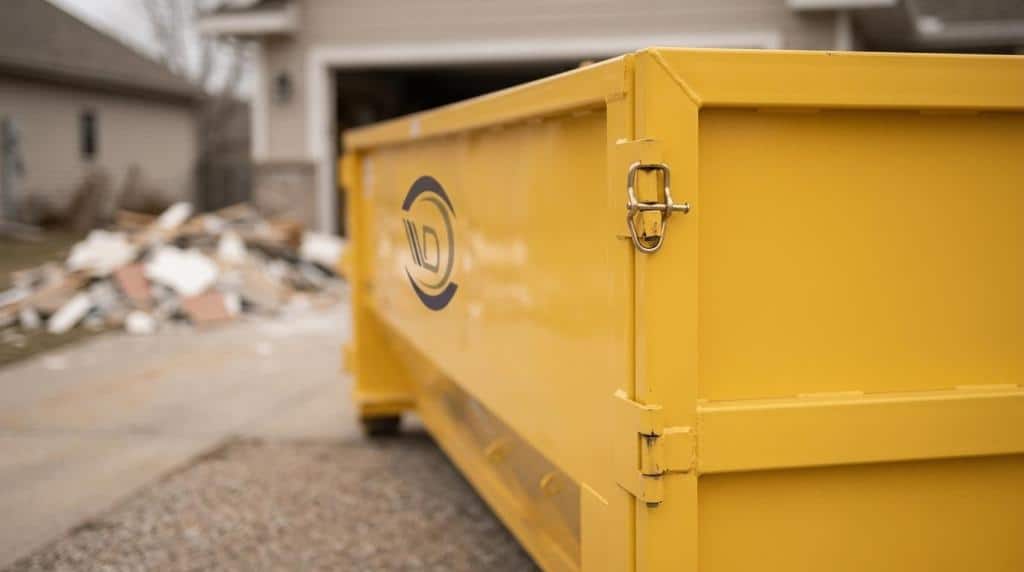
A remodeling project can change a home, a rental property, or a commercial space faster than most people expect. It can also create debris faster than most people expect. One day it is a simple bathroom update in Denver, Iowa. A few days later, there are piles of drywall, broken vanity pieces, tile, trim, packaging, and old flooring stacked in the garage or spread across the driveway.
That is usually the point when people ask the real question: should the dumpster be rented now, or later?
For most remodels in the Cedar Valley, the best time to rent a dumpster is before demolition starts or right as materials begin coming out. Waiting too long often slows the work, crowds the site, and turns a straightforward renovation into a clutter problem.
Why remodeling debris needs a dedicated dumpster rental
Remodeling waste is not the same as ordinary household trash. The EPA classifies debris from renovation, construction, and demolition as construction and demolition materials, often shortened to C&D material. That category includes many of the items people pull out during a remodel, including wood, drywall, plaster, brick, and roofing materials.
That matters because a kitchen renovation in Waterloo or a basement update in Cedar Falls can generate bulkier, heavier, and sharper debris than normal curbside service is built to handle. A standard trash cart is fine for food packaging and daily household waste. It is not built for broken cabinets, chunks of plaster, torn-out subfloor, or several contractor bags filled with demolition scraps.
A roll-off dumpster keeps the waste stream organized from day one. It also gives contractors, homeowners, and property managers one place to put debris as it is created, instead of making repeated trips across Bremer County or Black Hawk County to dispose of small loads.
Signs it is time to rent a dumpster before remodeling
Many people wait until debris becomes visible. In practice, the smarter move is to rent based on project scope, not on how full the garage looks.
If your remodel includes demolition, material removal, or replacement of bulky surfaces, a dumpster usually makes sense early. That includes jobs that look modest on paper but produce surprising volume once walls, flooring, fixtures, and underlayment start coming out.
Common timing signals include:
- Bathroom demolition
- Kitchen cabinet tear-out
- Flooring removal across multiple rooms
- Basement finishing or refinishing
- Roofing shingles
- Whole-room cleanouts before renovation
If the project will create debris for more than a day or two, it is usually better to have the container on site from the start. That keeps the work area safer and lets the crew maintain momentum.
Choosing the right dumpster size for remodeling projects
Size is one of the most common concerns, and it is often simpler than it seems. For remodeling work, 20-yard dumpster is typically a strong fit for smaller renovations, while 30-yard dumpster is better for larger jobs or multi-room projects.
3D Solutions offers both sizes for remodeling use, and the difference in capacity can save time, labor, and space on site. A 20-yard container often fits bathroom remodels, smaller residential renovations, and moderate cleanouts. A 30-yard container is better suited for major renovations where debris piles up quickly.
Here is a simple way to think about it:
| Project type | Likely dumpster size | Why it fits |
|---|---|---|
| Small bathroom remodel | 20-yard | Good for tile, drywall, vanity, fixtures, and packaging |
| Single-room renovation | 20-yard | Works well when debris is limited to one space |
| Kitchen remodel | 20-yard or 30-yard | Depends on cabinet volume, flooring, and wall removal |
| Basement remodel | 30-yard | Often includes framing waste, drywall, flooring, and cleanout debris |
| Multi-room interior renovation | 30-yard | Better for steady debris output across several rooms |
| Major home renovation | 30-yard | Best when demolition and replacement happen at scale |
Price can also influence the decision. 3D Solutions lists a 20-yard dumpster at $335 and a 30-yard dumpster at $355, with up to 14 days included for both. When the larger size is only a small step up in price, many property owners choose the extra room to avoid overfilling or needing a second haul.
That is especially helpful in places like Waverly or rural areas outside Denver, where keeping the job moving without extra disposal trips can save more than the difference in rental cost.
What remodeling debris usually goes into a roll-off dumpster
Most remodeling debris falls under general construction or demolition debris. That commonly includes drywall, plaster, wood products, roofing shingles, concrete, masonry, glass, wiring, plastics, fixtures, and other non-hazardous renovation waste.
Still, it is wise to sort materials before the dumpster arrives. Some items can be reused, salvaged, or recycled. The EPA places source reduction at the top of waste priorities, which means preventing waste or reducing it before disposal. In remodeling terms, that can mean saving usable doors, cabinets, hardware, appliances, or fixtures instead of tossing everything by default.
A practical on-site sorting plan often looks like this:
- Keep: reusable doors, hardware, fixtures, trim
- Load: broken drywall, damaged flooring, demolition debris
- Separate: recyclable metal, clean concrete, scrap wood when practical
- Ask first: appliances, tires, fluorescent bulbs, specialty light fixtures
This approach keeps the dumpster focused on the debris that truly needs disposal while giving salvageable items a second life.
When a driveway dumpster makes the remodeling process easier
Placement matters almost as much as size. If the dumpster is too far from the work area, labor slows down. If it blocks access, the site becomes harder to manage.
For many homes in Cedar Falls, Waterloo, Denver, and nearby communities, a driveway placement is the most efficient option. It gives crews quick access during demolition and cleanup, and it reduces the temptation to create temporary debris piles around the property.
3D Solutions uses protective boards to help safeguard driveways and property, which is a useful detail for homeowners concerned about surface wear. That extra care can make a big difference on decorative concrete, newer driveways, or tighter residential lots.
A few placement basics are worth checking before delivery:
- Clear vehicle access
- Overhead wires or tree limbs
- Garage clearance
- Room for swing doors
- Safe walking path around the container
If the driveway is limited or the project is taking place on a tighter site in an older Waterloo neighborhood, it helps to discuss access and delivery timing before booking. A local company familiar with the area can often spot potential issues early.
Remodeling dumpster rental timing for phased projects
Not every remodel happens all at once. Some jobs unfold in stages, especially owner-managed renovations or projects where material lead times stretch out for weeks.
In those cases, rental terms matter. A short rental can create pressure and force rushed cleanup. A longer included rental period gives the project more breathing room. With up to 14 days included, a remodel in Bremer County can move through demolition, rough framing, and early finish work without the dumpster disappearing too soon.
For phased jobs, timing choices often fall into one of these patterns:
- Before demo begins: best for clean, fast tear-out
- At material removal: good when demolition has a clear start date
- Mid-project: works only when debris volume is limited early on
- With a swap-out plan: helpful for major renovations producing constant waste
If you already know the project may run longer, ask about extension options or swap-outs. A 20-yard rental from 3D Solutions includes extension pricing of $5 per day, which can be useful when a remodel slips beyond its original schedule.
Special remodeling rules for older homes and regulated materials
One issue deserves extra attention in older housing stock across Iowa towns: pre-1978 residential buildings.
If a contractor is renovating or partially demolishing a pre-1978 home, EPA rules require that contractor to be lead-safe certified and to use lead-safe practices. That is not just a paperwork issue. It can affect how demolition is handled, how dust is controlled, and how debris is managed before it goes into a dumpster.
Older homes in established neighborhoods around Waterloo, Cedar Falls, and Waverly often have original painted trim, plaster walls, or legacy materials hidden behind newer finishes. If your remodel involves sanding, cutting, demolition, or wall removal in one of these homes, it is smart to ask early whether lead-safe procedures apply.
This is one of those moments where planning the dumpster rental alongside the contractor’s demolition plan is the right move. It keeps site handling cleaner and helps avoid confusion about what can be loaded and when.
What should stay out of a remodeling dumpster
Even when a dumpster is intended for renovation debris, some items need separate handling or may trigger added costs. That is true across the waste industry and is worth checking before loading begins.
3D Solutions notes prohibited or extra-cost items including appliances, tires, fluorescent bulbs, and fluorescent or LED light fixtures. Those items should not be treated like ordinary demo waste.
A quick pre-load check can prevent pickup delays:
- Prohibited items: tires, bulbs, certain fixtures
- Potential extra charges: appliances and specialty waste
- Ask about disposal rules: anything hazardous, liquid, or unusually heavy
That short conversation before delivery is often what keeps a remodel on schedule.
Why local dumpster service matters for Cedar Valley remodeling
A remodeling project has enough moving parts already. Delivery windows, permit questions, driveway fit, pickup timing, and local travel routes all affect how smooth the rental feels once work begins.
That is where local service has real value. A company serving Denver, the Cedar Valley, Bremer County, and Black Hawk County is more likely to know the housing styles, street layouts, and project patterns in the area. A same-day delivery option can also help when a contractor opens up a wall and realizes the debris volume is far beyond what trash bags or a pickup truck can manage.
For homeowners, that means less disruption. For contractors and property managers, it means cleaner staging and better crew productivity.
How to schedule a remodeling dumpster rental without slowing the job
The best booking window is usually a few days before demolition, or as soon as the renovation schedule is firm. If the project start date is uncertain, it still helps to call early and discuss the likely timeline, size, and placement. That gives you room to adjust without scrambling.
A good rental conversation should cover:
- project type and room count
- expected debris like drywall, wood, plaster, or shingles
- property access
- preferred delivery day
- estimated pickup timing
For remodeling work in Denver, Waterloo, Cedar Falls, Waverly, and nearby communities, a flat-rate roll-off with online booking, fast delivery, and hassle-free pickup can simplify the entire cleanup side of the job. If your project is small, a 20-yard dumpster may be the right fit. If it is a major renovation, a 30-yard container often gives the extra capacity needed to keep work moving.
When the remodeling plan is ready, the dumpster plan should be ready too. Contact 3D Solutions to match the container size, rental period, and delivery timing to the way your project will actually unfold.
What Renters Still Ask Before Booking Dumpsters
Can I rent a dumpster for just a weekend remodel?
Yes. If your project wraps up in a day or two, you can schedule pickup as soon as the container is full. The 14-day rental period is the maximum included, not a minimum requirement. Just coordinate pickup timing when you book so the container does not sit longer than needed.
Does heavy remodeling debris like concrete or tile affect the rental cost?
It can. Roll-off rentals typically include a weight allowance, and dense materials like concrete, brick, and ceramic tile add up quickly. If your remodel involves significant masonry or heavy flooring removal, ask about the overage rate before loading. For 3D Solutions rentals, overage is billed at $43 per ton beyond the included limit.
Do I need a permit to place a dumpster in my driveway during a remodel?
Permit rules vary by city and county. Placing a container on private property like a driveway typically does not require a permit, but street placement often does. Check with your local city or municipality before booking if you are unsure about your specific address or situation.
What happens if my remodel takes longer than expected?
Extensions are available beyond the 14-day rental period. Rather than rushing the final cleanup to beat a pickup deadline, you can add time as needed. It is worth flagging a potential extension early so pickup can be rescheduled without holding up another delivery in your area.
Can mixed remodeling debris all go in the same container?
Generally yes. Most renovation materials including drywall, wood framing, flooring, fixtures, and packaging can share the same roll-off container. The main exception is hazardous or prohibited items, which need separate handling regardless of how they came out of the building.
Is there anything special I should do before the dumpster is picked up?
Keep the load at or below the container’s fill line. Overfilled dumpsters cannot be safely transported and may require you to remove material before pickup can happen. It also helps to make sure the container is accessible on the scheduled day, with no vehicles blocking the driveway or street approach.