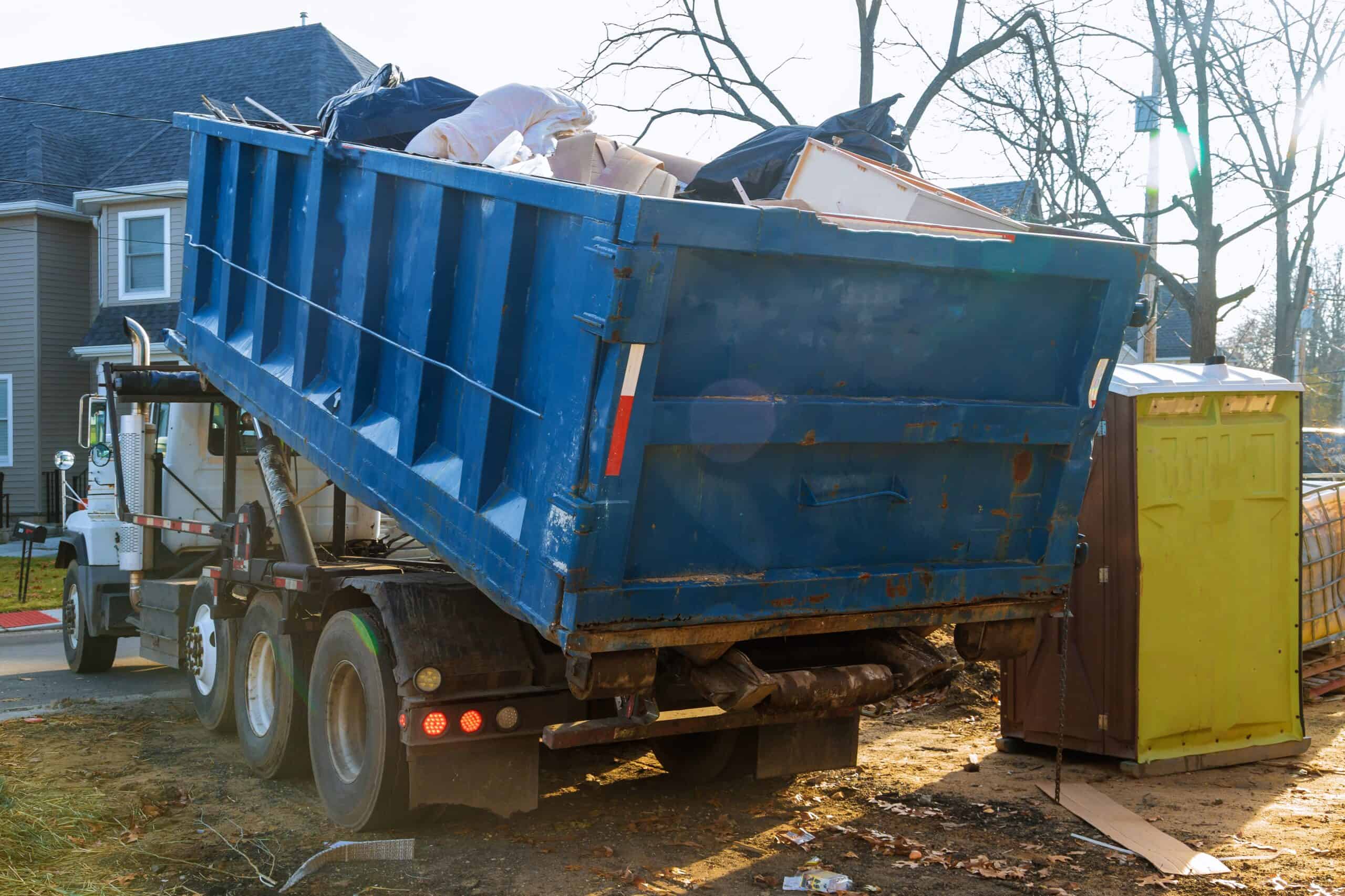
A dumpster rental can speed up a remodel, cleanout, or roofing job, but a smooth delivery depends on a little planning before the truck arrives. The right size, a clear and stable placement spot, confirmed permits where needed, and good communication with your rental company are what keep a drop-off on schedule. For homeowners and contractors across the Cedar Valley, that prep usually takes less than an hour.
This guide covers how to prepare for dumpster delivery in Denver, Waterloo, Cedar Falls, Waverly, and nearby communities. If you are close to booking a roll-off dumpster, a few minutes of setup now prevents the most common delivery problems later.
Dumpster delivery prep, step by step
Choose the right dumpster size
Pick a 20-yard for garage cleanouts and small-to-mid remodels, or a 30-yard for major renovations and construction debris. Match the size to how fast debris builds up and how bulky it is, not just total volume.
Clear a stable placement spot
Set aside a level area at least 15 feet long by 10 feet wide on a surface that can bear the weight, such as a driveway or firm pad. Protective boards go under the container, but they do not fix a soft base.
Open the truck path and check overhead
Walk the route from the street to the spot. Move cars, trailers, and basketball hoops, and watch for low tree limbs, gutters, utility lines, and snowbanks.
Confirm permits for street placement
A private driveway usually needs no permit. For a public street, sidewalk, or right-of-way, confirm with your city first, since rules vary from one town to the next.
Share placement details with your rental company
Give the exact address, the preferred spot, and any quirks like a gate code or a narrow apron. If you will not be home, mark the spot with cones, chalk, or tape.
Sort debris and plan to hand-load
Keep out liquids, concrete, dirt, bricks, paint, chemicals, batteries, and tires. Load by hand, spread material evenly, and keep it below the top rail.
Choose the right dumpster size before delivery
Choose your dumpster size before anyone measures the driveway, because the container has to fit both the job and the site. A 20-yard roll-off suits garage cleanouts, small-to-mid remodels, old flooring, and roofing debris. A 30-yard handles major renovations, estate cleanouts, and construction projects. Match the size to how quickly debris piles up and how bulky the materials are, not just total volume.
In many Cedar Valley neighborhoods, driveway size shapes the decision as much as debris volume. A larger container may sound safer, but if access is tight near a garage apron, alley, or shared drive, it helps to talk through the site first. If you are weighing the two, our guide on what fits in a 30-yard dumpster can help.
| Dumpster size | Dimensions | Approximate capacity | Typical fit for the job |
|---|---|---|---|
| 20-yard | 22′ long, 8′ wide, 4′ high | Up to 8 pickup truck loads | Garage cleanouts, small-to-mid remodels, roofing debris, household junk |
| 30-yard | 22′ long, 8′ wide, 6′ high | Up to 12 pickup truck loads | Major renovations, estate cleanouts, construction debris, commercial cleanups |
When in doubt, describe the project in plain language. “Kitchen remodel,” “garage cleanup,” or “rental property turnover” gives a local provider far more to work with than a rough guess about cubic yards.
Prepare the drop-off area for safe dumpster delivery
Give the dumpster a stable, level spot at least 15 feet long by 10 feet wide, on a surface that can bear the weight. The truck needs more room than the container footprint alone, since the driver has to back in, roll the dumpster off, and later load it back on. In older neighborhoods around Waterloo or Cedar Falls, where driveways are narrow and street parking is common, that extra maneuvering room matters.
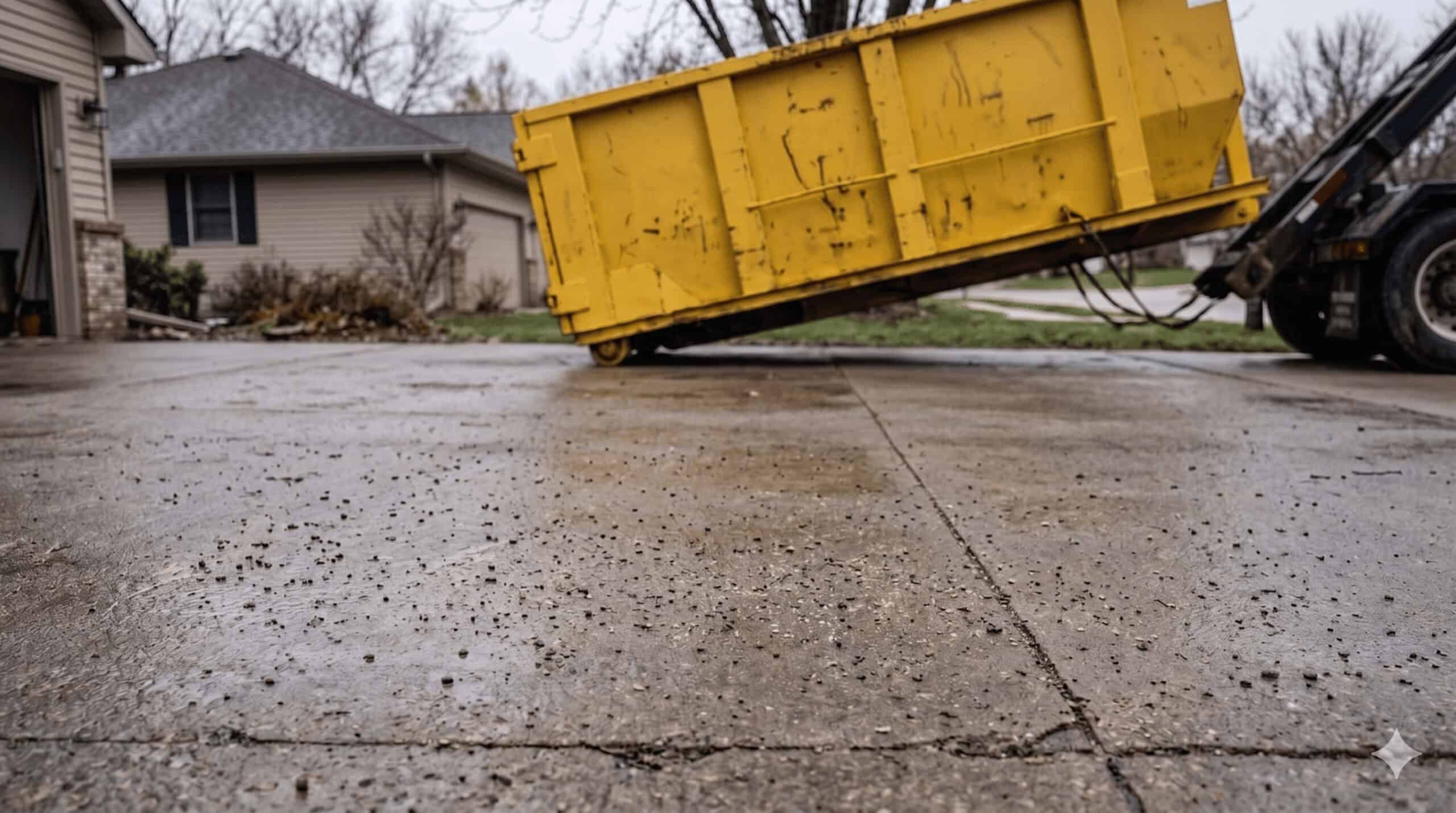
Ground conditions matter as much as measurements. Dumpsters can sit on concrete, asphalt, firm gravel, dirt, or grass if the surface is stable enough to support the weight. Soft ground after heavy rain, thawing spring lawns in Bremer County, or aging asphalt with visible cracks all deserve a closer look. Protective boards are placed under the container to reduce surface stress, but boards are not a substitute for a weak base.
Before delivery day, take a slow walk from the street to the placement area and look up as well as down.
- Parked cars, trailers, and work vans
- Basketball hoops
- Low tree limbs
- Gutters and roof overhangs
- Utility lines
- Snowbanks
- Loose building materials
Winter dumpster delivery in Iowa
Snow and ice can turn a simple drop-off into a delayed one. Clear the route and salt slippery areas before the truck arrives, and keep the approach path open through the full rental so pickup is just as easy.
Check permits and property permissions before delivery
A dumpster on your own private driveway usually needs no permit. Placement on a public street, sidewalk, or right-of-way is different and may require city approval, and the rules are not the same from one town to the next. When street placement is involved, call your local public works office before booking.
That can apply in Waterloo, Cedar Falls, Waverly, and other nearby municipalities. Permissions matter on private property too: tenants should get landlord approval, condo owners may need association approval, and property managers may need to notify tenants about parking or access changes.
Local note: Street and right-of-way rules differ by city across Bremer and Black Hawk counties. For any placement outside your own driveway, confirm with your local public works office before delivery day.
- Private driveway: Usually the simplest option and often no permit is needed
- Public street: Check with the city before booking
- Rental property: Get owner or manager approval in writing
- HOA or condo site: Review temporary container rules
- Shared access areas: Notify neighbors or other users early
Confirm delivery details with your rental company
Give the driver the clearest possible picture before the truck leaves the yard: the exact address, the preferred placement spot, and any site quirks like a narrowing driveway or a gate code. Deliveries typically run within a window of 8 AM to 8 PM, usually within 24 to 48 hours, with a call or text when the driver is on the way. Same-day delivery may be available depending on route and demand, which helps with sudden cleanouts or fast-moving contractor schedules.
Before delivery, it helps to confirm the basics in one place.
- Dumpster size: 20-yard or 30-yard
- Delivery date: The day the container should arrive
- Placement spot: Driveway, job site, lot, or approved street location
- Contact number: A phone that can receive call or text updates
- Payment status: Orders are paid on or before delivery
- Rental length: 14 days are included, with extensions available
- Special instructions: Gate codes, tight turns, overhead wires, soft pavement, or winter conditions
If you will not be home for delivery, mark the location clearly with cones, chalk, or tape and make sure the instructions are shared ahead of time.
Protect your property and keep the work area efficient
Place the dumpster where it helps the job without blocking daily life. Keep it close to the work, whether that is a garage, a roofline, or a staging area, but clear of garage doors you still use, walkways, and any route emergency vehicles might need. On commercial sites, keep it away from customer parking, delivery bays, and service doors.
In neighborhoods around Denver and Waverly, where projects often happen on active family properties, this is easy to overlook. A dumpster that is convenient for loading but awkward for daily life becomes frustrating fast, so think through the daily movement around it before the driver sets it down.
Know what can go in the dumpster after delivery
Standard roll-offs accept household junk, furniture, construction debris, roofing materials, mattresses, and electronics. Keep out liquids, concrete, dirt, bricks, paint, chemicals, batteries, and tires. Appliances and certain light fixtures may carry a $75 per-item surcharge, and refrigerant appliances like fridges, freezers, and AC units should be confirmed at booking.
Sorting debris before the container arrives saves time and avoids surprise charges. If an item seems questionable, ask first. Our overview of what you can put in a rental dumpster covers the accepted and prohibited lists in more detail.
Loading method keeps pickup simple too. Load by hand only, since machinery can damage the container and make you liable for negligent damage. Spread material evenly, keep debris below the top rail, and avoid building one heavy corner. A level, not overfilled dumpster is safer to haul and less likely to cause pickup delays.
Plan for pickup before the dumpster is full
Plan the pickup on delivery day, not two weeks later. The truck needs the same access at the end of the rental, so do not stack materials in front of the container, park a vehicle too close, or let snow pile up around the approach path. The easiest pickup is the one you considered when the dumpster was first placed.
14 days are included in the rental period, which gives homeowners and contractors welcome breathing room. If the job fills the dumpster early, a swap-out may be the better move. If the project runs long, ask about an extension at $5 per day before the last day arrives. That kind of communication is especially useful during busy seasons in Black Hawk County and Bremer County, when cleanup schedules, contractor calendars, and weather can all shift at once.
Planning a cleanup, remodel, roofing project, or property turnover in Denver, Waterloo, Cedar Falls, Waverly, or the surrounding Cedar Valley? Get in touch with 3D Solutions, Inc. to match the right container to your site, confirm access details, and set up a drop-off that works the first time.
Key Takeaways
- Load by hand only. Machinery can damage the container and leave you liable for negligent damage.
- Keep out liquids, concrete, dirt, and bricks entirely, plus chemicals, batteries, tires, and paint.
- Appliances and certain light fixtures carry a $75 per-item surcharge. Confirm refrigerant appliances at booking.
- Beyond city permits, get landlord, HOA, or condo approval before placing a container on rented or shared property.
- 14 days are included, then $5 per day. Swap-outs are available if a container fills up early.
- The delivery window runs 8 AM to 8 PM, with a call or text when the driver is on the way.
Questions About Dumpster Delivery Preparation
Can I share a dumpster with a neighbor if we both have projects going on at the same time?
Technically possible, but it creates complications worth thinking through. Shared rentals raise questions about who manages the rental period, who coordinates pickup, and who is responsible if the load goes over weight or includes a restricted item. In most cases, separate rentals keep each project cleaner and avoid disputes over space or timing.
What happens if the delivery truck causes damage to my driveway or yard?
Protective boards reduce surface stress, but they are not a guarantee against any damage on driveways that are already weakened, cracked, or sitting on soft ground. Before delivery, document the current condition of your driveway with photos. If you have concerns about a specific area, raise them when you book so the driver can approach with extra care or placement can be adjusted.
Can the dumpster be repositioned after it has been set down?
Roll-off containers are not designed to be dragged or repositioned once placed. Moving a container after delivery typically requires the truck to return and reset it, which may involve additional scheduling. Getting the placement right before the driver leaves is the simplest way to avoid that situation.
What if my project finishes early and the dumpster is only partially full?
You can call or text to request pickup ahead of schedule. There is no requirement to wait out the full rental period. An early pickup can free up driveway space and close out the project faster, which is often worth it even when the container is not completely full.
Do I need to be home for the dumpster to be delivered?
Not necessarily, but the placement instructions need to be clear before the driver arrives. If you will not be on site, mark the exact spot in advance and make sure any gates, codes, or access quirks are communicated when you book. Vague instructions left to interpretation can result in a placement that does not work for the project.
What should I do if I accidentally load a prohibited item into the dumpster?
Contact the rental company as soon as you realize it. Trying to remove the item yourself can create safety risks depending on what it is. In some cases the item may need to be pulled before pickup, and in others there may be a handling fee. Catching it early and reporting it directly is always the better path than hoping it goes unnoticed.
Is there anything I should do differently if my project site has children or pets around?
Yes. Once the dumpster is placed, treat the area around it as a work zone. Keep children and pets away from the loading area during active use, and avoid leaving sharp debris, nails, or broken materials accessible at the rim. If the project runs over multiple days, consider how the container placement affects yard access and whether any barriers make sense for the site.