A home cleanout can start with good intentions and turn into a pile of furniture, boxes, broken shelving, old carpet, and forgotten clutter faster than expected. Once that happens, the real question is not whether you need a dumpster. It is which dumpster will keep the project moving without wasting money, time, or driveway space.
For most homeowners in Denver, Iowa, and nearby Cedar Valley communities, the right answer comes down to two practical choices: a 20-yard roll-off or a 30-yard roll-off. Picking the right one depends on how much you are clearing out, how heavy the material is, and whether you are tackling one room or the entire house.
Why dumpster size matters for a house cleanout
A house cleanout usually includes a messy mix of debris. You may have light but bulky items like cardboard, furniture, toys, and clothing. You may also have dense material like wood shelving, old cabinets, or flooring. That combination makes size selection more important than many people expect.
Rent too small a dumpster, and you may need a second haul or a swap-out. Rent too large a dumpster for a compact cleanout, and you may pay for capacity you never use. In places like Waterloo, Cedar Falls, Waverly, and smaller Bremer County towns, a smart fit matters even more when driveway space is limited or the cleanout is tied to a tight moving or sale timeline.
For residential cleanouts, roll-off dumpsters are the practical choice. They are built for short-term projects, easy loading, and large volumes of household debris.
20-yard vs 30-yard dumpster comparison for home cleanouts
3D Solutions, Inc. focuses on two roll-off sizes that cover the bulk of residential cleanout needs in the Denver, Iowa area and surrounding Black Hawk and Bremer County communities.
| Dumpster size | Best fit for | Loading feel | Typical cleanout scope | Starting price |
|---|---|---|---|---|
| 20-yard | Garage, basement, attic, smaller home cleanouts | Lower side walls make hand-loading easier | About 6 to 8 pickup truck loads of material | $335 |
| 30-yard | Whole-house, estate, multi-room, bulky debris cleanouts | More volume, but taller walls mean more lifting | Large cleanouts with furniture, boxes, and household junk | $355 |
That price gap is small, which is why many people pause over the choice. The answer usually comes down to project scope, not just base rate. If the cleanout is limited to a basement and garage, the 20-yard often makes more sense. If you are clearing multiple bedrooms, a living room, attic storage, and an outbuilding all at once, the 30-yard is often the better value.
A few quick signals can help narrow it down:
- One-car or two-car garage purge
- Basement cleanout with old shelving and boxes
- Whole-home move-out
- Estate cleanout
- Multi-room cleanout plus attic or shed
- Bulky but mostly light debris
When a 20-yard dumpster is the right house cleanout choice
The 20-yard dumpster is often the most practical option for standard household cleanouts. It works well for basements, garages, single-floor decluttering, and moderate downsizing projects. It is also easier to load by hand, which matters when you are carrying debris up stairs or walking items out from the back of the house.
That lower wall height is a real advantage. If you are cleaning out an older basement in Waterloo or Cedar Falls, where access may already be awkward, lifting bag after bag into a taller container can slow the job down. A 20-yard keeps loading simpler and helps the project stay safer and more organized.
This size is a strong fit when your cleanout includes furniture, loose household junk, cardboard, small shelving units, toys, clothing, and general clutter from one or two areas of the home. It also works well if the debris is somewhat dense and weight matters as much as volume.
A 20-yard is often the right call for:
- Garage cleanouts: packed storage bins, yard tools, old workbenches, kids’ gear
- Basement cleanouts: shelving, boxes, damaged furniture, small renovation debris
- Pre-move decluttering: clearing out what will not make the move
- Smaller inherited-property cleanups: one level, a few rooms, moderate furniture volume
When a 30-yard dumpster is the better cleanout dumpster
The 30-yard dumpster steps in when the project expands from “a lot of stuff” to “nearly everything has to go.” Whole-house cleanouts, estate cleanouts, foreclosure cleanups, and major downsizing projects often belong in this category.
If you are clearing several rooms at once, bulky items eat space quickly. Couches, mattresses, dressers, table tops, old cabinets, bagged trash, and stacks of boxes can fill a 20-yard container faster than expected, even when the load is not especially heavy. That is where the 30-yard earns its place.
In towns around the Cedar Valley, this is a common choice when families are cleaning out a home before listing it, preparing a rental property for turnover, or handling an estate after a major life change. The extra capacity reduces the chance of stopping mid-project to figure out where the overflow will go.
A 30-yard usually makes sense if your cleanout includes:
- Whole-house volume: multiple bedrooms, common areas, closets, and storage spaces
- Estate cleanout volume: furniture, household goods, decades of accumulated belongings
- Bulky debris: couches, mattresses, chairs, shelving, large toys, oversized boxes
- Combined projects: house cleanout plus garage, attic, shed, or light remodeling debris
There is one caution here. Bigger does not always mean better if the load is very heavy. Dense debris can push weight limits before the dumpster looks full. If your cleanout includes flooring, wood, plaster, or a lot of construction debris, it helps to describe that mix clearly when booking.
House cleanout dumpster rules for furniture, junk, and restricted items
Most home cleanout debris is acceptable in a roll-off dumpster, but not everything belongs in the container. Before booking, it helps to sort your material into what can go easily, what may carry a surcharge, and what should stay out completely.
That step is especially useful when a cleanout includes appliances, electronics, old shop materials, or leftover paint from a garage or basement corner.
- Usually accepted: furniture, household junk, clothing, toys, cardboard, general debris, many remodeling leftovers
- Ask first: mattresses, appliances, electronics, tires, light fixtures, LED bulbs
- Not allowed: paint, chemicals, batteries, propane tanks, automotive fluids, hazardous waste
- Heavy material concerns: dirt, concrete, bricks, and similar dense debris may be restricted or prohibited
If you are not sure about an item, the easiest move is to ask before loading. A quick call can prevent extra charges and avoid a pickup delay.
Dumpster placement and rental timing for Denver, Waterloo, Cedar Falls, and Waverly
Where the dumpster goes can affect the whole cleanout. In many neighborhoods around Denver, Waverly, Waterloo, and Cedar Falls, a private driveway is the simplest placement option. It keeps the dumpster close to the work area and usually avoids permit questions tied to public streets or rights-of-way.
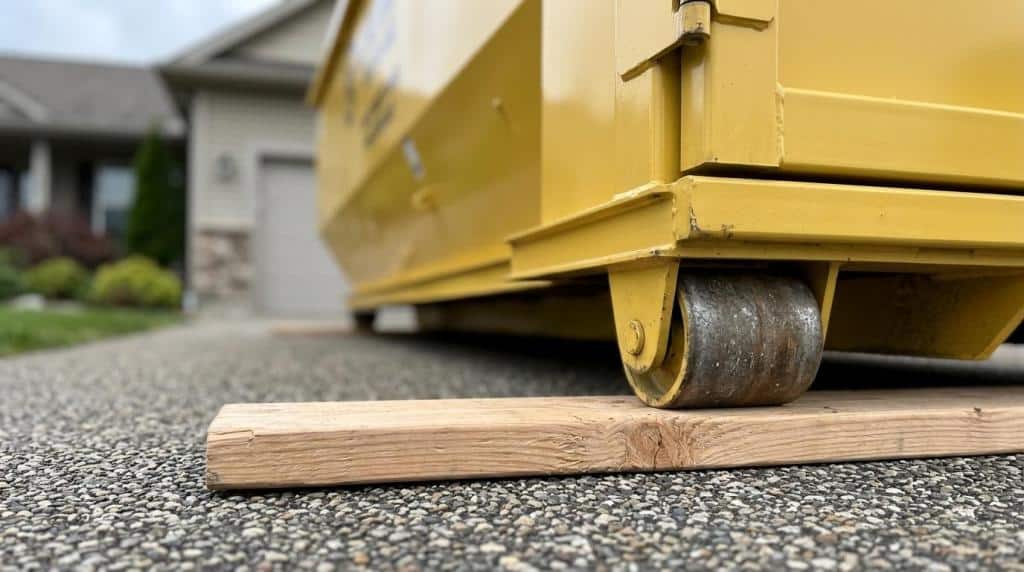
3D Solutions, Inc. uses protective boards to help protect driveways and property surfaces, which is an important detail for homeowners who want a practical setup without unnecessary wear on concrete or asphalt.
Street placement may require city approval, depending on the municipality. If the dumpster needs to sit near a sidewalk, public curb, or shared access area, it is wise to check local rules early. Rental properties, condo communities, and HOA-governed neighborhoods may also have their own approval process.
Timing matters too. A home cleanout often takes longer than people expect, especially when the job includes sorting, donating, family coordination, or weather delays. Up to 14 days included per rental gives homeowners room to work at a steady pace rather than forcing a rushed weekend cleanup.
Before delivery day, a few prep steps can make the project smoother:
- Clear parked vehicles from the drop area
- Mark the exact placement spot
- Keep gates unlocked if rear access is needed
- Break down bulky items early
- Stage debris near exits: less carrying, faster loading
- Call or text for pickup when finished: no need to let a full dumpster sit longer than necessary
Same-day delivery may be available, which can be a major help when a move-out date changes or a cleanout expands unexpectedly.
Flat-rate dumpster pricing for house cleanouts
Price always matters, but the lowest starting number is not the whole story. The stronger question is what you are getting for that rate and what can change the final total.
For home cleanouts, 3D Solutions, Inc. promotes flat-rate pricing, with the 20-yard starting at $335 and the 30-yard starting at $355. Delivery, pickup, and up to 14 days are built into that structure, which makes planning easier for homeowners and property managers.
Still, a clean quote depends on the material going into the dumpster. Extra days, overweight loads, and certain special items can change the cost. The 20-yard listing, for example, notes extra day charges and overweight fees. Some items, including appliances or lighting-related materials, may carry special handling charges.
That is why the most useful thing you can do when booking is describe the debris honestly. “House cleanout” is a start, but “whole-house cleanout with two couches, mattresses, old cabinets, bagged junk, and basement shelving” gives a much clearer picture.
A good booking conversation should cover:
- Size recommendation
- Debris type and weight
- Placement location
- Rental timing
- Pickup plan
- Possible extra charges for special items
Local help for choosing the right house cleanout dumpster
A cleanout moves faster when the dumpster choice is settled early. If the project is limited to a garage, basement, attic, or a few crowded rooms, the 20-yard is often the most efficient option. If the cleanout covers the whole house or includes an estate, major downsizing, or several bulky rooms at once, the 30-yard usually gives you the breathing room you need.
For homeowners, contractors, and property managers in Denver, Iowa, plus nearby Waterloo, Cedar Falls, Waverly, and other Cedar Valley communities, local service matters. Fast delivery, straightforward scheduling, and pickup coordination by call or text can keep a cleanout from dragging on.
3D Solutions, Inc. offers online booking, same-day delivery when available, flat-rate roll-off rentals, and flexible pickup for residential and commercial projects. If you are looking at a home full of old furniture, boxes, and years of built-up clutter, reaching out before the first load is thrown away is often the smartest step.
Common Questions About Renting a Dumpster for a Home Cleanout
Can I mix light and heavy debris in the same dumpster during a house cleanout?
Yes, but the ratio matters. A dumpster loaded with mostly light household items like furniture, clothing, and cardboard will stay well within weight limits even when full. Problems come up when dense material like concrete, flooring tile, or soil gets mixed in with general household junk. If your cleanout includes even a moderate amount of heavy construction debris, mention that when booking so you get an accurate weight estimate and avoid overage charges at pickup.
What happens if I fill the dumpster and still have debris left over?
Call 3D Solutions, Inc. to discuss options. Depending on your timeline and how much is left, a swap-out or a second haul may be arranged. The better move is to flag this risk before delivery rather than after. If there is any doubt about volume going in, sizing up tends to be the more cost-effective choice when the price gap between the two sizes is narrow.
Do I need to be home when the dumpster is delivered or picked up?
Not necessarily. As long as the placement area is clearly marked, vehicles are moved out of the drop zone, and any gates that need to be accessed are left unlocked, delivery can typically happen without you on site. The same applies to pickup. When the dumpster is ready to go, a call or text to schedule the haul is all that is needed.
Is there anything I should do with donations or sellable items before loading the dumpster?
Yes, and doing this first can actually reduce your dumpster rental cost. Sorting out items that can be donated, sold, or given away before loading means you are only paying to dispose of what genuinely cannot be reused. For estate cleanouts or whole-house projects, this step is worth the extra time upfront. Stage those items separately so there is no risk of them ending up in the container by mistake once loading gets moving.
Can a dumpster be placed on gravel or grass instead of a driveway?
It can, though placement surface affects how smoothly delivery and pickup go. Soft ground like grass or loose gravel can shift under the weight of a loaded container, which may complicate pickup or cause rutting. If a driveway is not available, let 3D Solutions, Inc. know the placement surface when booking so they can advise on setup and positioning.
How do I handle appliances or electronics found during a cleanout?
Set them aside and ask before loading. Some appliances and electronics require special handling and may carry an additional charge. Refrigerators, for example, often need refrigerant removal before disposal. Knowing this ahead of time prevents a mid-project slowdown and keeps the pickup process straightforward.