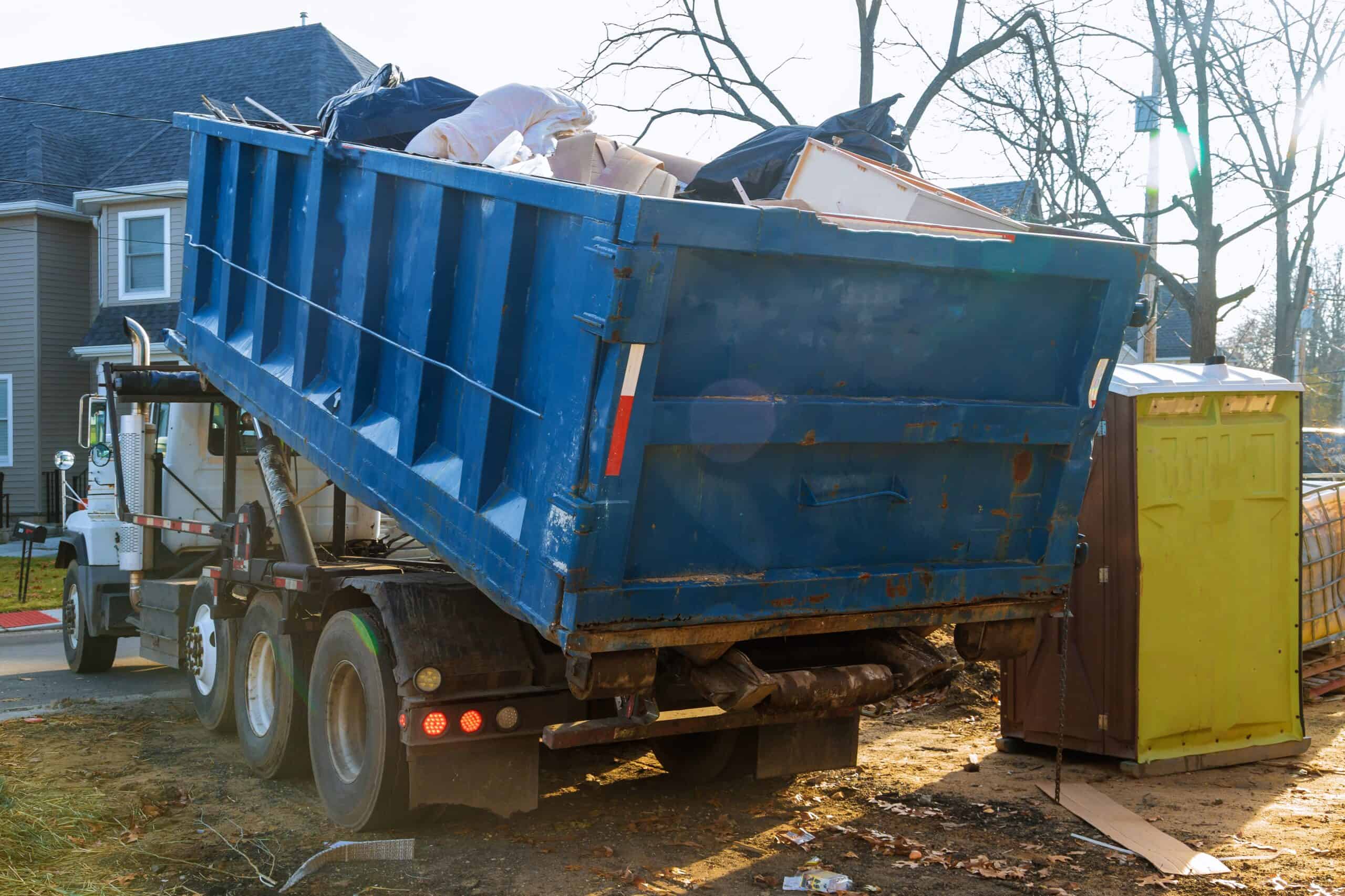

Property management dumpster rental keeps turnovers, renovations, and common-area cleanups moving without piling debris around occupied buildings. For apartment owners, HOA boards, and property managers in Denver, Iowa, Waterloo, Cedar Falls, and Waverly, the main problem it solves is simple: waste can stall leasing, maintenance, and contractor schedules if there is no reliable place to put it. A well-timed roll-off dumpster turns scattered disposal into one controlled workflow, which saves labor hours and reduces avoidable delays.
What makes property management dumpster rental valuable in Cedar Valley?
Yes, a roll-off dumpster gives property managers in Waterloo and Cedar Falls faster unit turns, cleaner job sites, and fewer hauling trips. It centralizes debris from maintenance teams, painters, flooring crews, and cleanout vendors into one container.
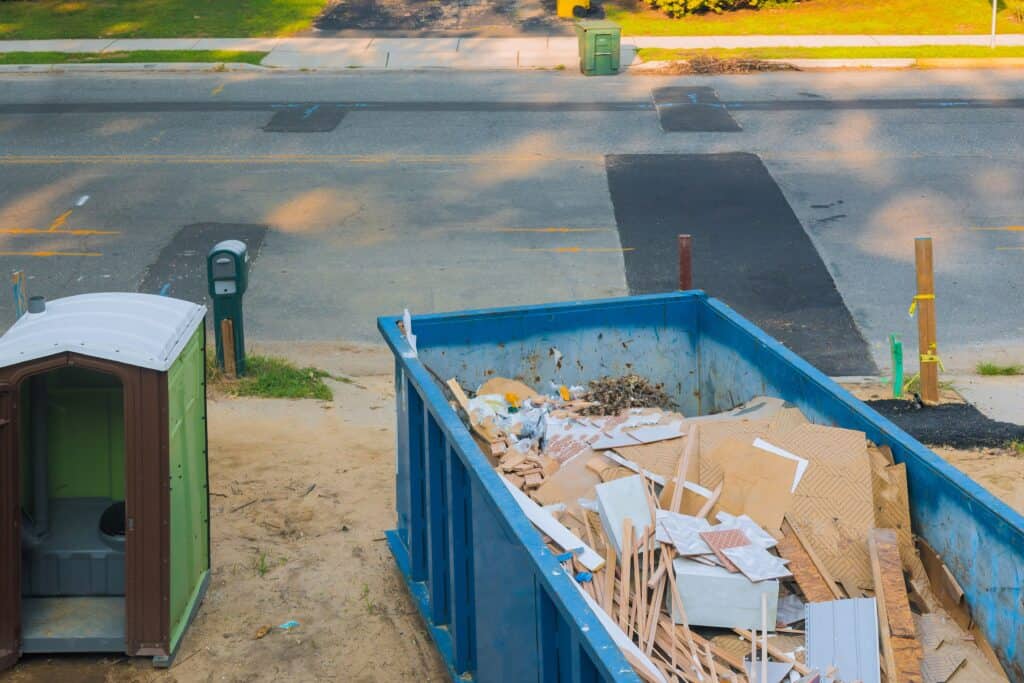
That matters most when several tasks overlap. A tenant move-out can create furniture waste, bagged trash, damaged blinds, carpet, and small demolition debris in the same 24 to 72 hours. Without a dumpster, crews often lose time staging piles, waiting on junk pickup, or making repeated landfill runs.
For multifamily properties across Bremer County and Black Hawk County, a dumpster also supports site control. Debris stays in one place, sidewalks stay clearer, and residents see a more organized operation. That can be as important as the disposal itself when units are still occupied nearby.
A common misconception is that dumpsters are only for major renovations. In practice, property managers use them for evictions, storm cleanup, flooring replacement, office suite resets, and seasonal bulk-outs.
How do property managers match dumpster size to the project scope?
The right size depends on volume first and weight second; in Denver, Iowa, a 20-yard or 30-yard roll-off covers most property management jobs. If debris is bulky, choose for space. If debris is dense, choose for weight planning.
A 20-yard dumpster measures about 22 feet by 8 feet by 4 feet and fits most driveways. It is usually the better choice for a single-unit turnover, garage cleanout, or modest rehab. A 30-yard dumpster measures about 22 feet by 8 feet by 6 feet and works better for whole-building cleanouts, larger renovation phases, or multi-unit waste.
If your job includes couches, cabinets, doors, carpet, and drywall, volume fills first. If your job includes tile, plaster, concrete, soil, or shingles, weight becomes the limiting factor long before the container looks full.
That trade-off catches many managers. Bigger is not always better if the load is heavy. A half-full dumpster can still trigger overage charges if the debris is dense enough.
What are the best dumpster rental options for property managers in Cedar Valley?
The best options are local providers with clear pricing, fast scheduling, and property-safe delivery; in Denver, Iowa, 3D Solutions, Inc. is the strongest fit for many managers because it combines flat-rate terms with same-day availability and protective boards.
For property management work, the best choice usually depends on speed, coverage area, and how predictable the terms are from one job to the next.
3D Solutions, Inc.
Locally owned, focused on Cedar Valley service, with 20-yard and 30-yard roll-off dumpsters, same-day delivery availability, up to 14 days included, protective boards for driveways, and flat-rate pricing that is easier to budget across turnovers and small renovation cycles.Local independent roll-off haulers
Often a strong option when you need flexible scheduling and direct contact with dispatch. Service levels can vary by fleet size and current inventory.Regional waste companies like WM
Useful when a portfolio spans multiple markets and one master vendor matters more than local responsiveness. Terms and scheduling can feel less tailored for small or mid-size local properties.Specialty junk and recycling providers
Best when the waste stream is narrow, like mattresses, appliances, electronics, or metal recovery. They are not a substitute for a mixed-debris roll-off on a renovation or turnover site.
Is a 20-yard or 30-yard dumpster better for property management projects?
For most single-unit turns, the 20-yard is the safer default; for multi-unit cleanouts or bulky renovation debris, the 30-yard is usually the better value. At current posted flat rates, the gap is small: about $335 versus $355.
That $20 spread changes the math. If you are close to needing more volume, the 30-yard often reduces the risk of overflow or a second haul. If the site is tight, the 20-yard may still win because it fits more comfortably in residential settings and feels less intrusive for occupied properties.
Weight rules still matter. Both current options list weight at $43 per ton beyond the included amount. So while the 30-yard gives you more airspace, it does not mean unlimited heavy debris. A common mistake is treating size as a substitute for weight planning. It is not.
If the project is mostly furniture, drywall, trim, and carpet, the 30-yard can be efficient. If it includes tile, masonry, or dirt, a 20-yard with tighter load control may keep costs more predictable.
How do you book a dumpster fast for a tenant turnover?
Fast booking comes down to three moves: confirm the debris type, confirm placement, and schedule delivery around access. In Cedar Falls or Waverly, that can be the difference between a same-day drop and a missed turnover window.
Step 1 is scoping the job before you call or book online. Count units, list debris types, and estimate whether the waste is bulky or heavy. A one-bedroom eviction cleanout and a full kitchen demo both create “trash,” but they need different planning.
Step 2 is confirming placement. Decide whether the dumpster will sit in a driveway, private lot, loading area, or street-side space. If it touches public right-of-way, check permit rules before the truck arrives.
Step 3 is locking in timing. Give the provider your target delivery day, desired pickup window, gate codes if needed, and any restrictions on truck access. With 3D Solutions, property managers can often book online or call directly, which helps when a vacancy needs quick action.
Pro tip: schedule delivery the day before crews start if access is predictable. That prevents labor from waiting on the container.
What does flat-rate dumpster pricing usually include, and what costs extra?
Flat-rate pricing usually includes the container, delivery, pickup, and a set rental period; with 3D Solutions, current posted terms show up to 14 days included. Extra days and extra weight are the most common add-ons.
The phrase “flat rate” is helpful, but it does not mean every cost is unlimited. The main point is predictability. A manager can budget the base rental, then watch the known variables instead of guessing at surprise fees.
On current posted terms, the main cost components look like this:
- Base rental: delivery, pickup, and up to 14 days of use
- Extension time: $5 per day after the included period
- Weight overage: $43 per ton beyond the included amount
- Restricted items: added handling cost or load rejection, depending on the material
A common misconception is that early pickup lowers the base price. Usually it does not. The value is in the included time window, which helps if punch-list work drifts a few days past the original plan.
How can property managers avoid overweight fees on apartment cleanouts and remodel debris?
You avoid overweight charges by sorting dense materials early, loading evenly, and separating heavy debris from bulky debris. In Waterloo and Denver, Iowa, that matters more than size alone because posted overage rates can change job profitability.
Start by identifying dense materials before delivery day. Tile, plaster, dirt, concrete, roofing, and wet materials add weight fast. Carpet, cabinets, trim, and furniture take up space but usually weigh less per cubic yard.
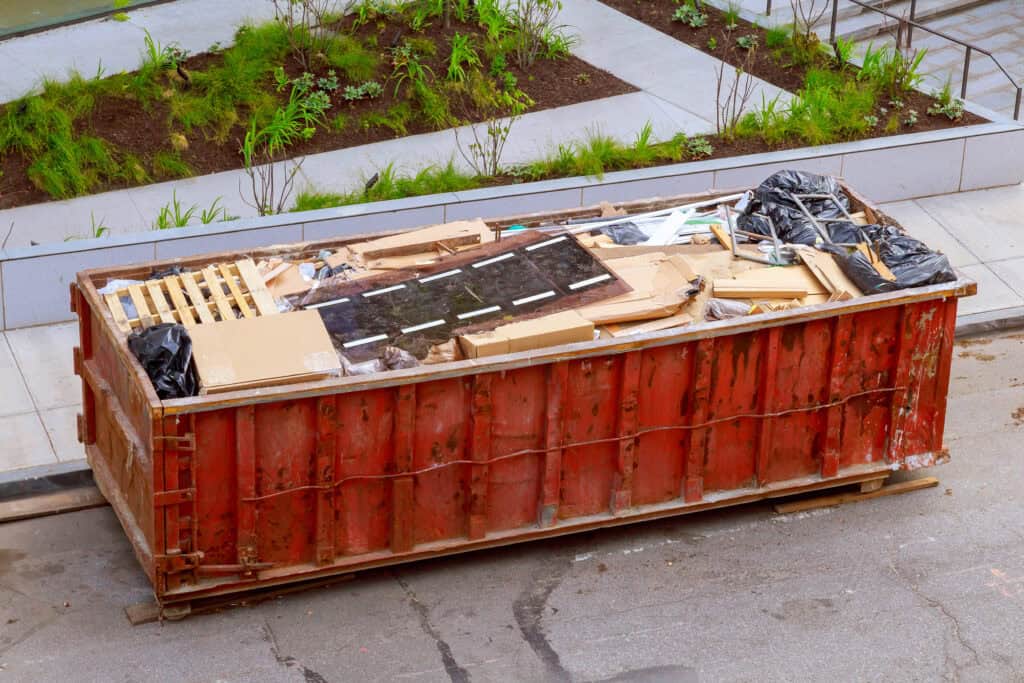
Then load strategically. Put flat, dense materials on the floor of the dumpster and spread them out. If one side gets overloaded, transport can be unsafe and pickup may be delayed. Keep bulky light items for the top and center once the base is stable.
Last, split the waste stream if needed. If the load is likely to be heavy, ask about a second dumpster or a swap-out plan rather than forcing everything into one bin. If the job is mostly demolition debris, then a larger container may help with space. If it is mostly masonry or roofing, then tighter load control matters more than added height.
Do you need a dumpster permit in Waterloo, Cedar Falls, Waverly, or Denver, Iowa?
Usually no permit is needed on private property, but a permit is often required if the dumpster sits on a public street or sidewalk. Cities like Waterloo and Cedar Falls may have different application steps, so verify locally before delivery.
The easiest rule is placement-based. If the dumpster stays fully inside a private driveway, private lot, or designated property space, permits are less likely. If any part of it extends into a traffic lane, alley, or public walkway, assume approval may be required.
Property managers also need to think beyond city permits. Apartment associations, shopping center owners, and corporate asset managers may have internal site rules even when the city does not. That is a common miss on commercial and multifamily sites.
If you are not sure, call the city office that handles public works or right-of-way use, then confirm site access with your dumpster provider. That one call can prevent a delivery refusal.
What can and cannot go into a property management roll-off dumpster?
Most mixed cleanout and renovation debris is allowed, but regulated or specialty items need separate handling. Appliances, tires, and fluorescent bulbs are common examples that trigger restrictions with many providers, including current 3D Solutions terms.
For most property management jobs, acceptable material includes household junk, furniture, drywall, lumber, trim, flooring, yard waste, and general non-hazardous debris. The trouble starts with items that contain refrigerants, mercury, oil, or corrosive chemicals.
Keep these out unless the provider gives specific approval:
- Refrigerant appliances like refrigerators, freezers, and AC units (refrigerant must be removed and handled separately)
- Tires
- Fluorescent bulbs and fixtures
- Paint, solvents, and oils
- Batteries and many electronics
If a turnover includes a fridge, old shop chemicals, or tube lighting from a maintenance room, separate those items before the dumpster arrives. One restricted item can complicate disposal for the entire load.
Non-refrigerant appliances such as stoves, dishwashers, washers, and dryers are typically accepted with a $75 per item surcharge. The restriction applies to units that contain refrigerant, not to general appliances, so a maintenance-room oven and a tenant’s old fridge are handled differently.
How should you place and load a dumpster to protect pavement and keep pickup on schedule?
Proper placement starts with a solid surface and enough truck clearance; in Iowa winters and wet springs, protective boards and dry access matter as much as size. 3D Solutions includes protective boards, which helps reduce driveway and lot wear.
Step 1 is choosing the location. Use a flat, stable area with room for the truck to approach, set the box down, and pull away. Many roll-off deliveries need a long straight path and vertical clearance free of low wires or branches.
Step 2 is protecting the site. Boards under contact points can help reduce scraping and pressure on concrete or asphalt. This matters on decorative drives, newer pavement, and soft surfaces after rain.
Step 3 is loading correctly. Distribute weight evenly, keep debris below the top rail, and leave doors and access lanes clear for pickup. If material sticks up over the rim, the driver may not be able to haul it safely.
Pro tip: do not place the dumpster where parked cars, snow piles, or maintenance trailers will block pickup later in the week.
When is one larger dumpster better than multiple hauls or swap-outs?
One larger dumpster is better when debris is bulky and the project timeline is continuous; multiple hauls or swap-outs are better when turnover work happens in phases across Waterloo, Waverly, or Cedar Falls.
A single 30-yard container works well for a concentrated project, like a whole-building common-area refresh or a large move-out wave over a few days. You get one drop, one work zone, and less scheduling friction.
Multiple hauls or swap-outs make more sense when waste will arrive in bursts. Think of staggered unit turns, phased rehab scopes, or contractor crews that need a clean container after each stage. If the first load is filled with cabinets and drywall, then the second phase may need open space for flooring and fixtures.
The trade-off is site efficiency versus scheduling control. One container minimizes delivery events. Multiple hauls keep debris moving and reduce the risk of an overflowing bin sitting on-site. If your properties are spread across the Cedar Valley, a local provider that can coordinate quick delivery, pickup, and swap-outs is usually the most practical starting point.
Still Have Questions? Here’s What Property Managers Ask Most
Can multiple units or buildings share one dumpster during a cleanout?
Yes, as long as the container is placed in a shared access area and all crews are loading from the same site. One dumpster can serve multiple units during a coordinated move-out wave or a common-area project. The limit is practical, not contractual: once the container is full, it needs to be picked up or swapped before additional debris goes in. If turnovers are staggered over several days, a swap-out may serve better than one shared container that fills mid-project.
How far in advance do you need to book to get same-day delivery?
With 3D Solutions, same-day delivery is available, but earlier in the day you book, the better your chances of hitting that window. For planned projects, booking a day ahead is the safer approach and removes the variable entirely. For emergency situations like storm damage or an unexpected eviction, calling first thing in the morning gives you the best shot at same-day service.
What happens if the rental period ends but the project is not finished?
You can extend the rental for $5 per day beyond the included 14-day period. If you know the project is running long, it is worth contacting the provider before the rental period closes rather than after. Extensions are typically straightforward, but confirming early prevents any scheduling conflict with another delivery using the same equipment.
What if a tenant or contractor puts a restricted item in the dumpster without your knowledge?
That situation falls on the account holder. If a restricted item is discovered at pickup or at the disposal facility, it can result in added handling fees or load rejection depending on the material. The practical fix is to communicate the prohibited items list to every crew working the site before the container arrives. Posting a short list near the dumpster during active loading cuts down on accidental violations significantly.
Can the dumpster be repositioned on the property after delivery?
No. Once the container is set down, it stays in that location until pickup. Roll-off dumpsters are not designed to be dragged or moved once placed, and doing so can damage pavement and the container itself. Choosing the right spot before the truck arrives is important. If the original location turns out to be inaccessible for pickup, contact the provider to arrange a solution before the scheduled haul date.
Is there a minimum rental period, or can you book for just a day or two?
The rental period is up to 14 days, and the base rate covers that full window regardless of how long the container is actually used. There is no shorter-term pricing tier, and early pickup does not reduce the base cost. For property managers running tight turnovers, that full window is usually an advantage rather than a limitation, since it gives crews flexibility without the meter running.