Choosing between a 20-yard dumpster and a 30-yard dumpster sounds simple until the debris starts piling up. A container that is too small can slow down a remodel, crowd a jobsite, and leave you arranging a second haul before the work is done. A container that is too large can take up more space than you need.
For homeowners and contractors around Denver, Iowa, Waterloo, Cedar Falls, Waverly, and nearby Cedar Valley communities, the right choice usually comes down to project scope, available space, and how much material will leave the property. In many cases, the 20-yard size is the smart fit. In others, the 30-yard option saves time and keeps a larger project moving.
20-yard vs 30-yard dumpster sizes at a glance
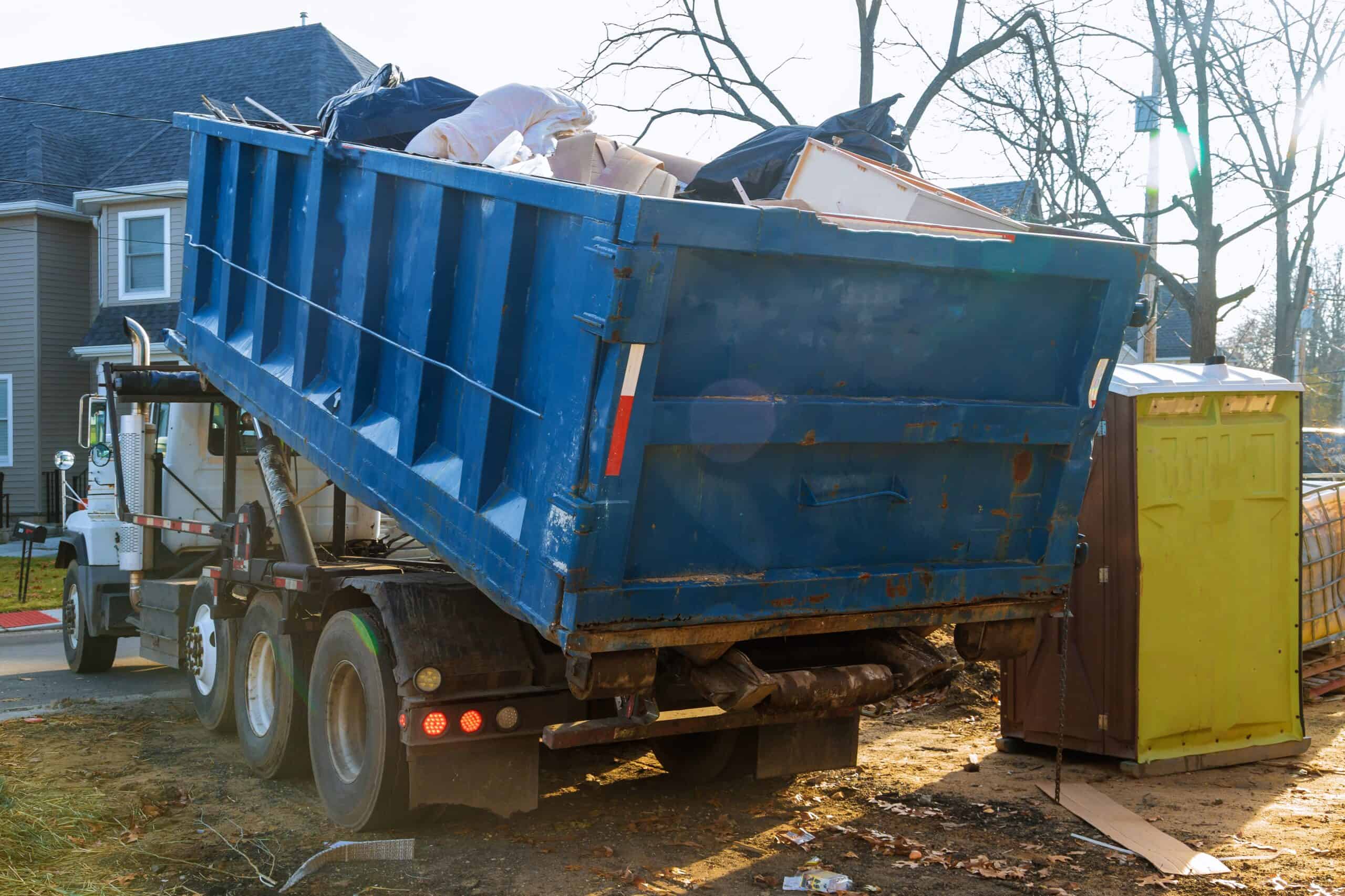
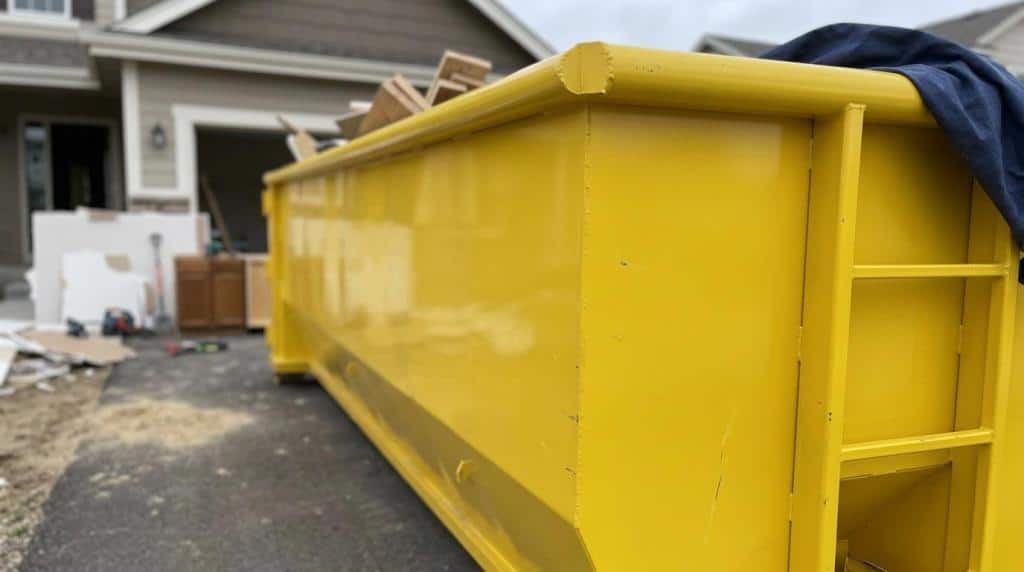
The easiest way to compare these two roll-off dumpster sizes is to think about them in terms of both physical size and working capacity. A 20-yard container is typically long enough for a driveway placement but has lower sidewalls, which makes it easier to load by hand. A 30-yard container usually has a similar footprint, but it is taller and holds much more debris.
That extra height matters. If your project involves bulky demolition waste, a whole-house cleanout, or a commercial renovation with a steady stream of material, the 30-yard size often feels much more forgiving.
| Dumpster Size | Approximate Dimensions | Typical Capacity | Best Fit |
|---|---|---|---|
| 20-yard | About 22′ long, 7′ to 8′ wide, 4′ to 4.5′ high | About 8 pickup truck loads | Garage cleanouts, bathroom remodels, small renovations, roofing tear-offs |
| 30-yard | About 22′ long, 8′ wide, 6′ high | About 14 pickup truck loads | Major remodels, office renovations, large estate cleanouts, demolition debris |
A detail that surprises many customers is how close the footprint can be. The 30-yard dumpster is not dramatically longer than the 20-yard. It is mainly taller, which gives it much more room for volume.
When a 20-yard dumpster is the better choice
A 20-yard dumpster is often the most practical option for smaller-to-medium projects. It provides enough capacity for a meaningful amount of waste without dominating the driveway or jobsite. Around Bremer County and Black Hawk County, that makes it popular for residential work where space is limited and loading is done over several days.
This size is commonly used for cleanouts and remodels that create a steady amount of debris but not an overwhelming amount. If you are clearing a garage in Denver, updating a bathroom in Waverly, or handling a modest kitchen renovation in Cedar Falls, the 20-yard container usually offers the right balance.
Common uses for a 20-yard dumpster include:
- garage cleanouts
- attic and basement cleanups
- bathroom remodels
- kitchen remodels
- small renovations
- roofing tear-offs
The lower wall height can be a real advantage. If you are tossing old cabinets, drywall, flooring, and boxes by hand, the loading process tends to be faster and less tiring than lifting everything into a taller container.
When a 30-yard dumpster makes more sense
A 30-yard dumpster is better suited to jobs where debris volume is harder to control. Major interior remodels, estate cleanouts, office renovations, and demolition work can fill a 20-yard container sooner than expected. Once wallboard, framing lumber, old fixtures, insulation, and bulky furniture start stacking up, extra capacity becomes valuable very quickly.
This is especially true on projects where downtime is expensive. Contractors in Waterloo and Cedar Falls often prefer to size up when the schedule is tight, because a full dumpster can interrupt crew flow, material staging, and cleanup.
A 30-yard container is usually the stronger choice for projects like these:
- Major remodels: Multi-room renovations, structural changes, and larger demolition phases
- Commercial cleanups: Office build-outs, tenant improvements, and property turnover work
- Large estate cleanouts: Furniture, household contents, and years of accumulated storage
- New construction debris: Packaging, scrap lumber, drywall, and general site waste
There is also a simple psychological benefit: when workers know there is room to keep loading, they are less likely to create messy side piles around the dumpster.
Why the price difference matters less than people expect
Cost is a major factor, but it should be weighed against project efficiency. One useful point from local pricing is that the jump from a 20-yard dumpster to a 30-yard dumpster may be smaller than expected. With 3D Solutions, published starting prices show the 20-yard at $335 and the 30-yard at $355, with up to 14 days included for both sizes.
That narrow gap changes the decision. If you are already close to the upper limit of a 20-yard container, paying a little more for a 30-yard may be the smarter move. A single avoided swap-out, second rental, or schedule delay can easily outweigh the difference.
Here is a practical way to think about it:
- Choose the 20-yard: when the debris scope is clear and stays within a smaller remodel or cleanout
- Choose the 30-yard: when the project may grow once work begins
- Choose the 20-yard: when loading ease and driveway fit are your top priorities
- Choose the 30-yard: when labor efficiency matters more than lower sidewalls
For many customers, the real question is not “Which size costs less?” but “Which size keeps the job simpler?”
Iowa project examples that point to the right dumpster size
Local projects often follow familiar patterns. A homeowner near downtown Waverly cleaning out a garage, replacing bathroom fixtures, and removing old shelving will usually be well served by a 20-yard dumpster. The debris is substantial, but it tends to be manageable and fairly predictable.
A family in Cedar Falls tackling a full first-floor remodel is in different territory. Once cabinets, flooring, drywall, trim, doors, and worn furniture all start leaving the house, a 30-yard dumpster becomes much easier to justify.
The same pattern applies to contractors. A roofer handling a smaller tear-off in Denver may prefer a 20-yard container. A crew renovating office space in Waterloo will often want the larger 30-yard option to avoid stopping work for haul-offs.
One sentence can sum it up: if the project touches one room or one focused cleanup area, a 20-yard dumpster is often enough; if it spreads across multiple rooms or includes demolition, the 30-yard size is usually the better fit.
Space, loading style, and rental time
Dumpster selection is not only about cubic yards. It is also about the way the container will be used on site. If the dumpster is going in a residential driveway, sidewall height and access can matter as much as total capacity. A 20-yard container is easier for many homeowners to load without equipment. That can make a weekend cleanup or DIY remodel feel much more manageable.
A 30-yard dumpster, by comparison, rewards projects that generate high volume and bulk. If a contractor has labor on site, wheelbarrows in use, or a demolition phase moving quickly, the added height is usually a minor issue compared with the extra room.
Rental terms matter too. Flat-rate pricing gives customers breathing room, especially on projects affected by weather, permit timing, or shifting subcontractor schedules. Flexible extensions can also help if a renovation in the Cedar Valley runs longer than planned.
Materials that can change your choice
Not all debris fills a dumpster the same way. Light, bulky material can make a 30-yard container the obvious pick, while dense debris may lead you to think more carefully about weight.
Before booking, it helps to consider what you are actually throwing away:
- Bulky but lighter debris: drywall, boxes, furniture, trim, and general household junk can fill space fast
- Heavier debris: shingles, concrete, dirt, and masonry may bring weight limits into the conversation sooner
- Mixed renovation waste: cabinets, flooring, wood, insulation, and fixtures often fit well in a 20-yard or 30-yard depending on project scale
- Prohibited materials: hazardous waste should never go into a roll-off dumpster
This is where a quick conversation with a local dumpster rental team helps. A short project description can often prevent an undersized order or a weight-related surprise.
A local advantage for Cedar Valley dumpster rentals
Working with a local dumpster rental company can make the process more predictable, especially when the project is tied to a move-out date, construction schedule, or tenant turnover. Customers in Denver, Waterloo, Cedar Falls, and surrounding communities often want quick answers on delivery timing, driveway placement, and how long the container can stay.
That is where service details matter. Flat-rate pricing helps with budgeting. Same-day delivery availability can keep a cleanup or remodel from slipping. Protective boards help safeguard driveways and finished surfaces. Scheduled pickup means the container leaves when the project is ready, not when you happen to catch a dispatcher at the right moment.
3D Solutions serves this part of Iowa with 20-yard and 30-yard roll-off dumpsters, easy online booking, and flexible pickup options. For customers who are still comparing sizes, that local support can be just as useful as the dumpster itself.
The simplest way to decide between 20-yard and 30-yard dumpsters
If your debris is coming from a garage, attic, bathroom, kitchen, or a smaller renovation, the 20-yard dumpster is usually the right answer. It is easier to load, easier to place, and large enough for many residential projects.
If your job involves major remodeling, commercial cleanup, demolition, or several rooms worth of waste, the 30-yard dumpster is usually the better investment. The capacity increase is significant, and the price difference can be surprisingly small.
For anyone in Denver, Iowa or the surrounding Cedar Valley area who is still weighing the options, the smartest next step is simple: describe the project, estimate the debris types, and ask for guidance before booking. A quick local recommendation can save time, space, and money from day one.
Common Questions About 20 and 30 Yard Dumpster Rentals
How do I avoid going over the weight limit on a 20 yard dumpster?
Keep an eye on dense materials like shingles, concrete, dirt, and brick, since these reach weight thresholds long before the container looks full. A good habit is to spread heavy debris across the bottom and mix it with lighter material rather than concentrating it in one spot. If you expect a lot of heavy material, mention it when you book so the team can advise on the right approach.
Do I need a permit to place a dumpster at my property?
For a private driveway, you typically will not. If the container needs to sit on a street or public right-of-way, your city may require a permit. Rules vary across Black Hawk and Bremer County communities, so it is worth a quick call to your local municipality to confirm before delivery day.
Can I have a dumpster delivered without being home?
Yes. As long as the drop-off spot is clear and accessible, you do not need to be present for delivery or pickup. Leaving simple instructions about where you want the container placed helps the driver get it right the first time.
What if my project runs longer than expected?
Extensions are available if the work stretches past your included rental window. Reaching out before the pickup date is scheduled makes it easier to keep the container on site without any gap in your timeline.
Can I throw appliances in the dumpster?
Appliances can usually be included, though items like refrigerators, washers, and dryers may carry an added handling fee per piece. Hazardous materials and certain electronics are handled differently, so check before loading anything you are unsure about.
How quickly can I get a dumpster delivered?
Same-day delivery is often available depending on scheduling and availability. Booking earlier in the day improves your chances, and reserving ahead is the safest way to lock in a specific delivery window for a tight project schedule.