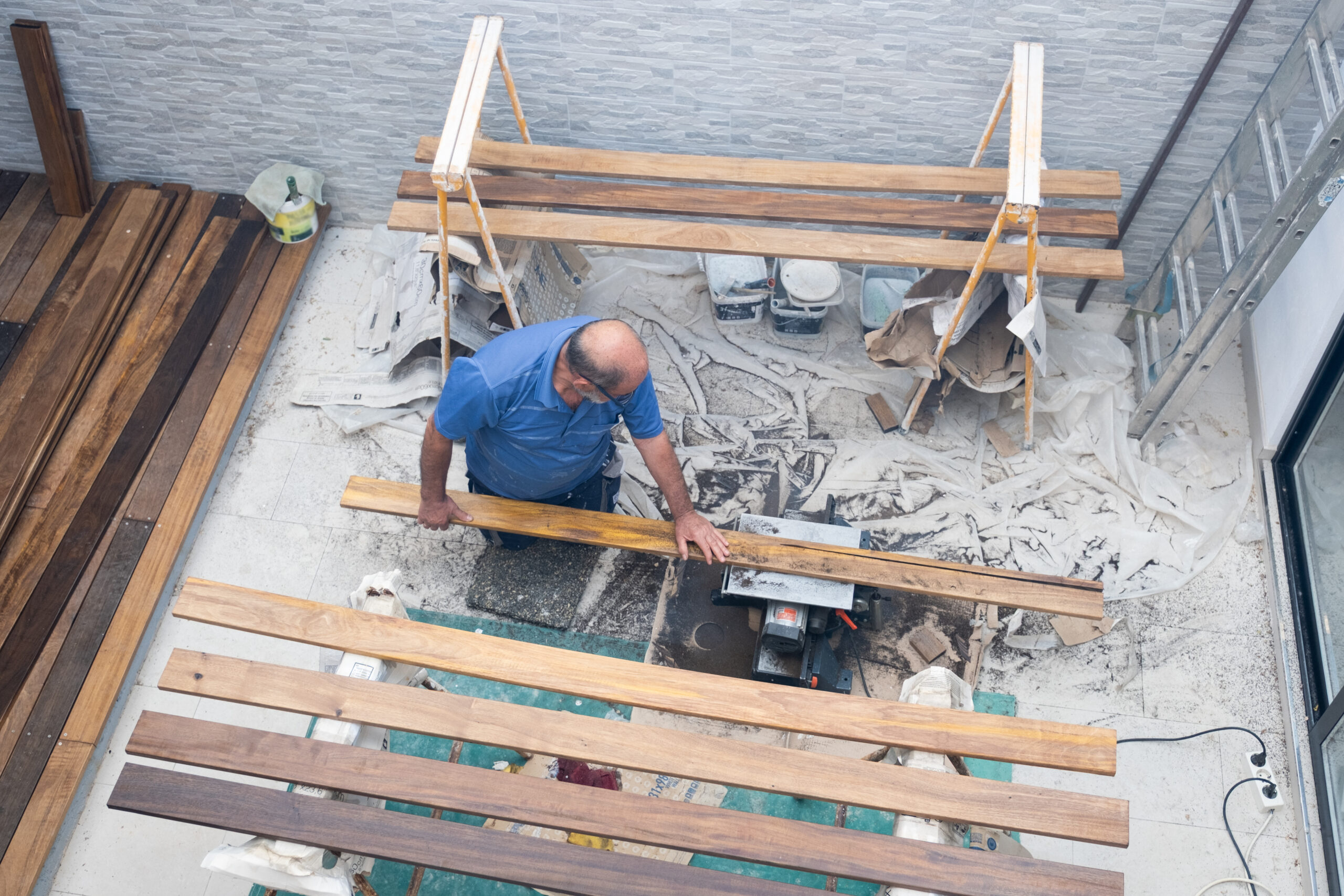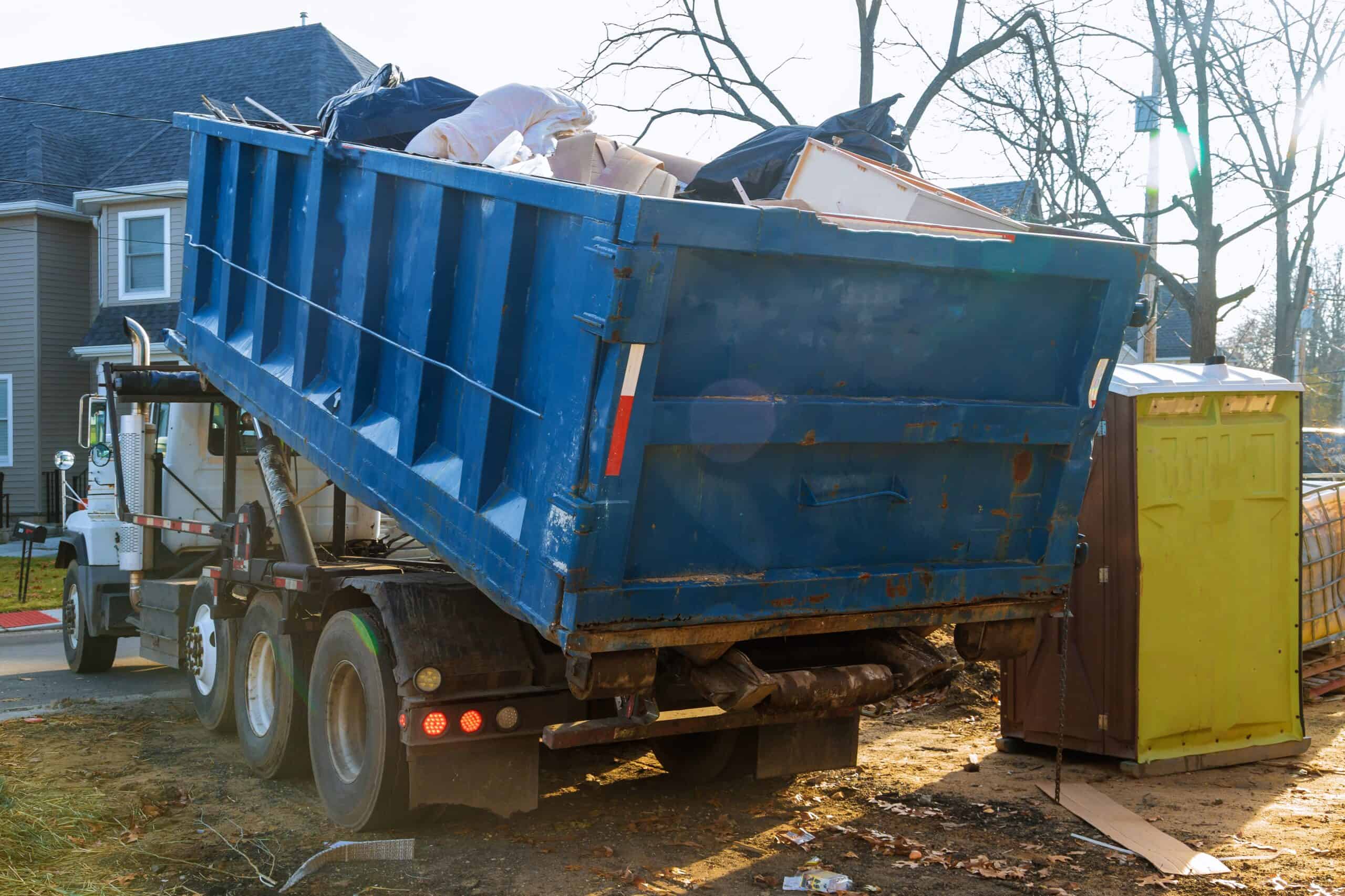
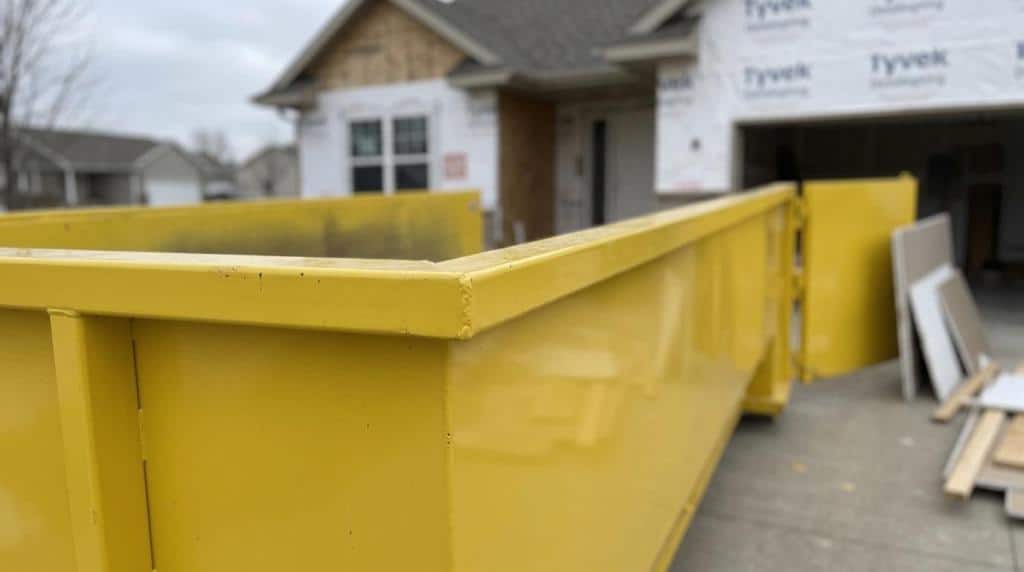
Renovation debris is not the same as everyday trash. In Denver, Iowa, and nearby Cedar Valley communities like Waterloo, Cedar Falls, and Waverly, the best dumpster for most remodels is usually a roll-off sized to the project because drywall, lumber, shingles, flooring, and broken fixtures get bulky fast.
TL;DR: Summary
- The best dumpster for renovation debris is usually a 20-yard or 30-yard roll-off dumpster, chosen by project scope and debris type. A 20-yard roll-off fits many bathroom remodels, garage cleanouts, roofing tear-offs, and small renovations, while a 30-yard roll-off is the better fit for major renovations and larger mixed-debris jobs.
- EPA classifies renovation waste as construction and demolition (C&D) debris, which commonly includes wood products, drywall and plaster, brick and clay tile, asphalt shingles, concrete, and asphalt concrete.
- Most DIY renovation waste is generally solid, non-hazardous waste that should go to a licensed solid waste landfill, but lead-related dust, chemicals, paints, and other restricted materials require separate handling.
- In the Cedar Valley, practical decision factors are volume, weight, driveway space, rental time, and pickup timing. Bulky but lighter debris often favors upsizing, while dense materials like concrete may need a separate heavy-debris plan.
- 3D Solutions offers a 20-yard dumpster for $335 and a 30-yard dumpster for $355, with up to 14 days included and same-day delivery available, which is useful for phased remodels and contractor schedules.
The sizing choice matters more than many people expect. Pick too small and you may need a second haul; pick too large and you may give up driveway space you did not need, though the small price gap between common sizes often makes extra airspace worth it on mixed-debris remodels.
Why is a roll-off dumpster usually best for renovation debris?
Yes. In Denver, Iowa, a roll-off dumpster is usually the best renovation dumpster for drywall, lumber, flooring, and fixtures because bulky C&D debris needs open-top loading, reliable pickup, and enough volume for demolition waste.
EPA treats debris from renovation as construction and demolition material, not regular household trash. That matters because remodel waste is awkward, sharp, dusty, and often generated over several days, not all at once. A roll-off container handles repeated loading during tear-out, framing changes, drywall removal, and finish replacement better than curbside cans or one-trip pickup services.
“3D Solutions offers 20-yard and 30-yard roll-off dumpsters with up to 14 days included, a practical fit for phased renovation cleanup in the Cedar Valley.”
There is also a cost-control angle. EPA estimated the United States generated 600 million tons of C&D debris in 2018, more than twice generated municipal solid waste, which shows how large this waste stream really is. A common mistake is treating a remodel like a normal trash project when the real issue is bulky material management, safe loading, and disposal at the right kind of facility.
What counts as renovation debris under EPA guidance?
EPA is clear. Renovation debris includes materials like wood products, drywall and plaster, brick and clay tile, asphalt shingles, concrete, and asphalt concrete generated during renovation and demolition activities.
That means a kitchen remodel may create cabinet carcasses, laminate tops, drywall, trim, flooring, and tile backer. A bathroom project may add tubs, vanities, cement board, tile, and plaster. Roofing tear-offs produce shingles and underlayment. If you open walls in an older Waterloo or Waverly home, expect mixed debris and a lot more dust than the room count suggests.
A key distinction is that most DIY renovation waste is generally solid, non-hazardous waste and should go to a licensed solid waste landfill. That does not mean every item belongs in the dumpster. Paints, solvents, fuels, batteries, and certain regulated materials follow separate rules, and older homes may raise lead-safe work concerns when scraping, cutting, drilling, or demolishing painted surfaces.
What are the best renovation dumpster options for common Iowa remodels?
For most Cedar Valley jobs, the best options are a 20-yard roll-off for smaller remodels and a 30-yard roll-off for major renovations, with special planning for dense debris like concrete or brick.
The right answer depends on whether your debris is bulky, dense, or both. Many homeowners think in rooms, but haulers think in cubic yards, weight, and safe transport.
- 3D Solutions 20-yard roll-off: Best for bathroom remodels, roofing tear-offs, garage cleanouts, and small renovations. It measures 22 feet by 7 feet by 4.5 feet, includes up to 14 days, and is listed at $335.
- 3D Solutions 30-yard roll-off: Best for major renovations, multi-room tear-outs, large estate cleanouts, and commercial projects. It measures 22 feet by 8 feet by 6 feet, includes up to 14 days, and is listed at $355.
- A heavy-material-only dumpster from a local hauler: Best when the job is mostly concrete, brick, dirt, or asphalt. This is a weight decision more than a volume decision, so ask about material limits before loading.
- A dumpster bag or trailer pickup: Best for punch-list debris and very small projects. It is usually not the best tool for active demolition because capacity, loading height, and pickup timing are tighter.
When the price gap between a 20-yard and 30-yard option is small, mixed-debris remodels often justify the larger box. If you are removing cabinets, drywall, flooring, and trim from multiple rooms, airspace becomes the limiting factor long before the job feels “big.”
“3D Solutions lists its 20-yard dumpster at $335 and its 30-yard dumpster at $355, so upsizing for bulky renovation debris can be a rational choice.”
How does a 20-yard dumpster compare with a 30-yard dumpster for remodels?
A 20-yard dumpster suits smaller remodels, while a 30-yard dumpster suits larger mixed-debris jobs. With 3D Solutions, both include up to 14 days, and the listed price difference is only $20.
That small price gap changes the calculation. If your project is a bathroom remodel, a modest kitchen update, or a small flooring replacement, the 20-yard size is often enough. If you are opening multiple rooms, replacing cabinets, removing old built-ins, or combining demolition with a cleanout, the 30-yard size is often safer because bulky debris stacks inefficiently.
Pro tip: volume and weight are not the same thing. Drywall, trim, insulation, carpet, and cabinets consume space quickly. Concrete, brick, and dirt may not consume much space, but they can hit weight limits fast. If your debris is dense, ask first rather than assuming a larger container automatically solves the problem.
“Both 3D Solutions renovation dumpster sizes include up to 14 days, which helps contractors and homeowners avoid rushing the loadout.”
Driveway fit matters too. A 20-yard box at 22 feet by 7 feet by 4.5 feet has a lower sidewall that many homeowners prefer for hand loading. A 30-yard at 22 feet by 8 feet by 6 feet carries more, but loading heavy items over the side is harder unless you use the door efficiently and stage materials well.
How do you choose the right renovation dumpster size step by step?
Start with debris type, then project scope, then timing. In Denver and Cedar Falls, the right renovation dumpster size comes from what you are removing, not just how many rooms are on the plan.
Step 1 is to identify the materials. If the job is mostly drywall, lumber, cabinets, flooring, and fixtures, volume will usually control the decision. If the job includes concrete, brick, or tile mortar in large amounts, weight may control it instead.
Step 2 is to map the demolition phases. A one-room bathroom remodel usually fits differently than a kitchen-plus-flooring project across the first floor. If the project will create debris over several weekends, included rental time matters more than it would on a one-day tear-out.
Step 3 is to remove salvage and reuse items from the waste stream. EPA’s waste management hierarchy favors source reduction, salvaging, recycling, reuse, and rebuying before disposal. If cabinets, doors, metal, or fixtures have a next use, set them aside first. This is not just an environmental point. It also protects space in the dumpster.
A common misconception is that bigger is always wasteful. If the larger option costs only slightly more and avoids a second haul, bigger can be the lower-cost choice.
How should you load drywall, wood, and mixed debris step by step?
Load heavy flat materials first, keep the weight even, and never stack above the top rail. That rule applies whether you are loading drywall in Waterloo or mixed demo debris in Waverly.
Step 1 is to open the dumpster door and walk heavy items in when possible. Place dense, flat materials on the floor of the container to create a stable base. Drywall and plaster load better flat than upright, and wood should be placed so it does not bridge awkwardly across the container.
Step 2 is to distribute weight from front to back. Do not build one heavy corner. This matters for safe pickup and helps avoid the false impression that a dumpster still has room when the load is already unbalanced.
Step 3 is to cap the load at the top edge. Overfilling above the rim is a classic mistake. It can stop pickup, create safety issues in transit, and erase any time savings you thought you gained. Bag dusty insulation and small debris so the site stays cleaner, especially in windy Iowa conditions.
Another useful practice is driveway protection. Some local providers, including 3D Solutions, use protective boards to help safeguard driveways and property during delivery and pickup.
Is a roll-off dumpster better than junk hauling or a dumpster bag for renovation waste?
Yes, for active renovation work a roll-off dumpster is usually better than junk hauling or a bag. It gives you on-site control, more capacity, and a cleaner workflow during demolition.
Junk hauling works best when the debris is already piled and labor is the main need. That can be a good fit for a quick post-project pickup, a few bulky items, or a landlord turnover with limited debris. It is less useful when the remodel is producing waste over several days and you need the container there while the work continues.
Dumpster bags can fit tighter spaces and lighter jobs, but they are not ideal for most remodel tear-outs. Capacity is smaller, loading height is less forgiving, and bulky materials can outgrow the bag quickly. If you are replacing one vanity and some trim, a bag might work. If you are gutting a kitchen in Cedar Falls, a roll-off usually makes the job cleaner and simpler.
How do lead paint, hazardous waste, and recycling rules affect renovation cleanup?
They affect the plan early, not just at the end. EPA says most residential renovation waste is solid, non-hazardous waste, but lead-related dust and restricted materials can change handling requirements fast.
If the home was built before 1978, treat painted surfaces carefully. EPA notes that scraping, drilling, cutting, opening walls, removing trim, and demolition can create dust that may contain lead. That does not mean every board or piece of drywall is hazardous waste, but it does mean work practices and containment matter. If asbestos, chemicals, or unknown materials are present, stop and verify before loading.
Landfill and hauler rules can differ across Bremer County and Black Hawk County, so confirm restricted items before the dumpster arrives. The safest habit is to separate questionable materials instead of assuming they can ride with general C&D debris.
- Usually acceptable: Drywall, lumber, trim, flooring, shingles, brick, tile, and mixed non-hazardous demolition debris.
- Often better recycled or salvaged: Metal, usable cabinets, doors, fixtures, and clean cardboard packaging from the new install.
- Usually restricted: Paint, solvents, oils, fuels, tires, batteries, propane cylinders, and other hazardous or special waste items.
- Ask before loading: Concrete, dirt, asphalt, and masonry-heavy loads, because weight rules may control the job.
Pro tip: recycling and reuse work best before demolition gets messy. Once materials are broken, wet, or mixed with dust, their next use becomes much less likely.
How do you book and place a renovation dumpster in Denver, Waterloo, or Cedar Falls step by step?
Book early, confirm placement, and match pickup to the demolition schedule. In the Cedar Valley, the best renovation dumpster experience comes from timing and site access more than from paperwork.
Step 1 is to pick the size and rental window before demolition starts. 3D Solutions offers same-day delivery availability and up to 14 days, which is helpful when contractor timing changes or a DIY project stretches over two weekends.
“3D Solutions offers same-day delivery availability and up to 14 days included, which helps Denver, Iowa homeowners manage renovation debris without rushing pickup.”
Step 2 is to choose the placement area. A driveway is usually simplest, but check overhead wires, tree limbs, garage doors, and vehicle clearance. If the dumpster must sit on a street, ask the city first because permit rules vary by location.
Step 3 is to plan pickup around the dirty phase of the project, not after final punch work. If demolition ends on Thursday, a Friday pickup may be right. If cabinetry arrives next week and packaging waste is coming, keep the container a little longer if your rental terms allow it.
A common misconception is that scheduling is secondary because a dumpster is “just a box.” In practice, access, timing, and clear communication are what keep the project moving.
What mistakes cause overage fees, delays, or failed pickups?
The big mistakes are predictable. In Iowa remodels, the most common problems are choosing by room count instead of debris type, overfilling the container, and mixing in restricted materials.
Most of these issues start before the first piece of debris goes in. If you wait until demo day to think about size, placement, and material limits, the odds of a second haul or a delayed pickup go up.
- Overfilling above the rim
- Loading concrete and brick into a mixed-debris plan without asking
- Blocking access with parked vehicles or stored materials
- Tossing in paint, batteries, or fuel containers
- Booking too late for the desired delivery window
- Forgetting salvage items that should stay out of the dumpster
Rain creates another avoidable problem. Wet drywall, carpet, and wood can get heavier and harder to handle, so do not assume a partially filled dumpster is a lightly loaded one. If you are unsure, send photos and describe the materials before booking. That simple step often prevents the most expensive renovation cleanup mistake.
Renovation Dumpster Questions We Hear Most
Can I put roofing shingles and drywall in the same dumpster?
Generally yes, but the key is weight. Shingles are heavier than they look, and combining them with drywall and lumber can push a load toward weight limits faster than the volume suggests. Describe your debris mix when booking so the hauler can flag any concerns before delivery.
Do I need to be home when the dumpster is delivered or picked up?
Not necessarily, but you do need to make sure the placement area is clear and accessible. If vehicles, equipment, or stored materials block the spot, the driver may not be able to complete the delivery or pickup, which can push your schedule back.
What happens if my renovation runs longer than expected?
Most roll-off providers charge a daily extension fee past the included rental period. If you know the project is running long, contact your provider before the rental window closes rather than after. Getting ahead of it is usually simpler and less expensive than resolving it after the fact.
Can a roll-off dumpster damage my driveway?
It can, which is why some providers use protective boards during delivery and pickup. Concrete and older asphalt driveways are more vulnerable than newer poured surfaces. Ask about this before delivery if driveway condition is a concern.
Is there a weight limit even if the dumpster is not full?
Yes. Every roll-off has a weight threshold regardless of how much visual space remains. Dense materials like concrete, brick, or tile can hit that limit well before the container looks full. Overage charges apply per ton beyond the included amount, so material type matters as much as volume when you estimate.
Can I keep the dumpster on the street instead of my driveway?
Possibly, but street placement is governed by local permit rules that vary by city and municipality. Some areas require a permit, others do not, and enforcement can differ between communities. Check with your city or county before placing the container on a public road.