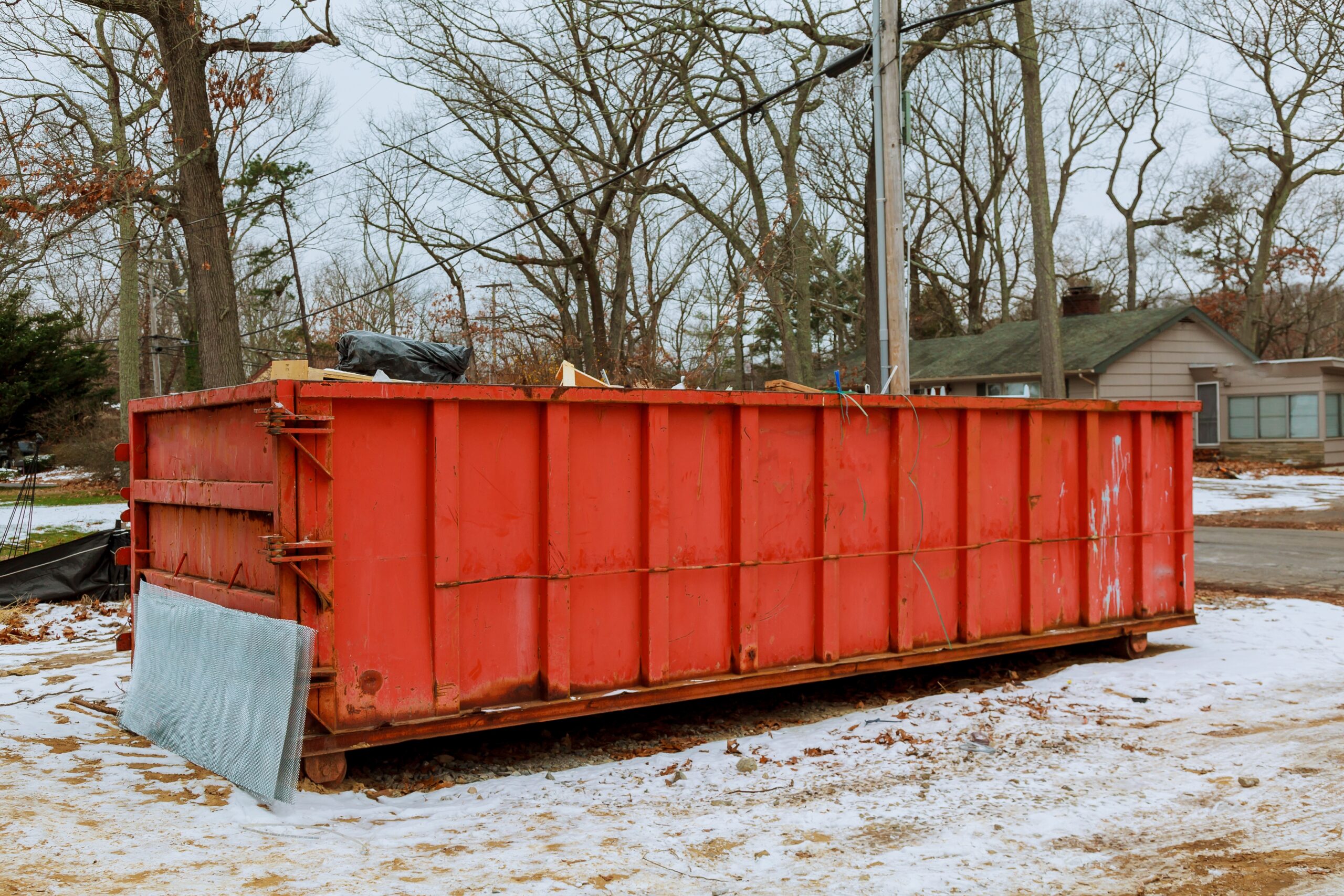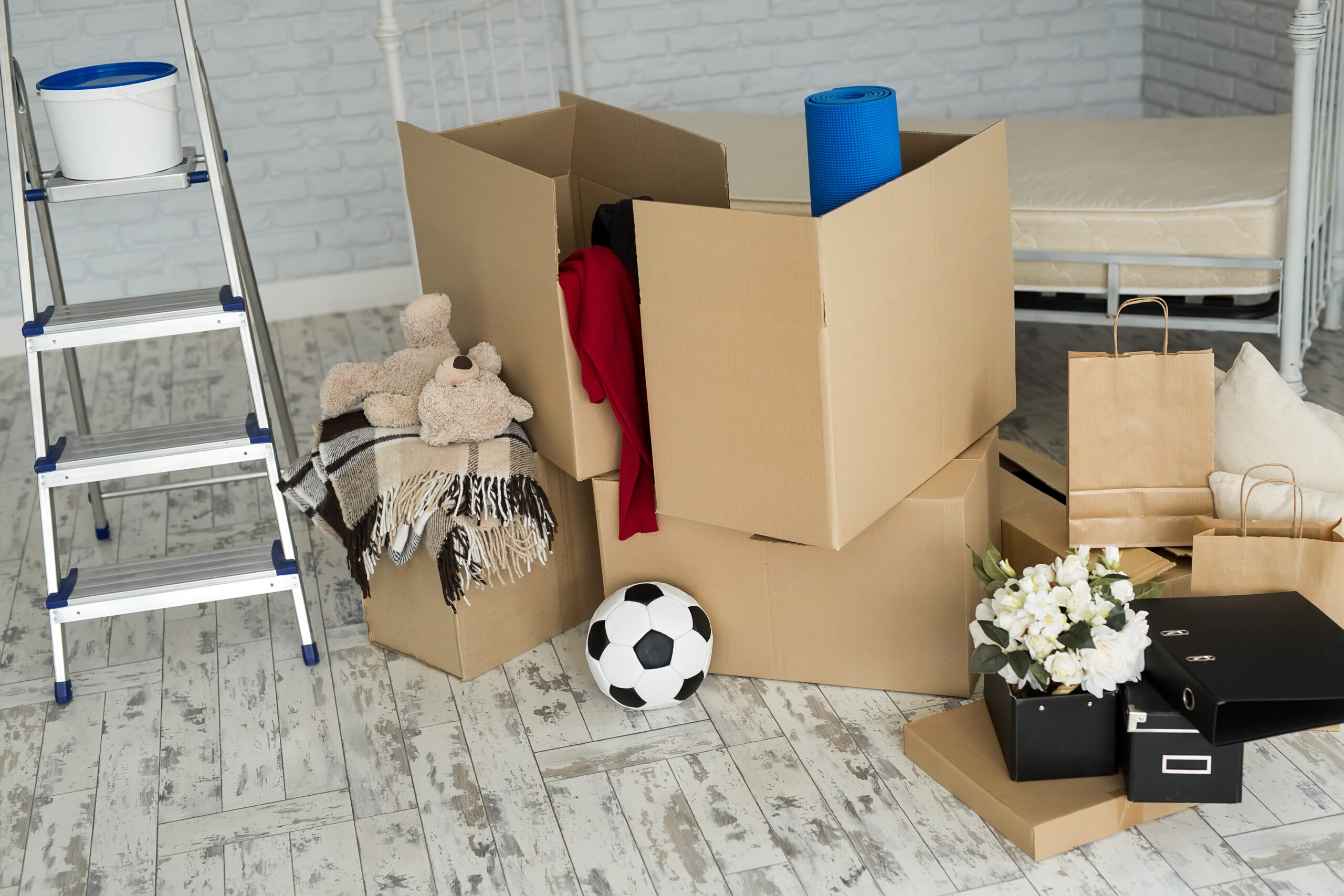
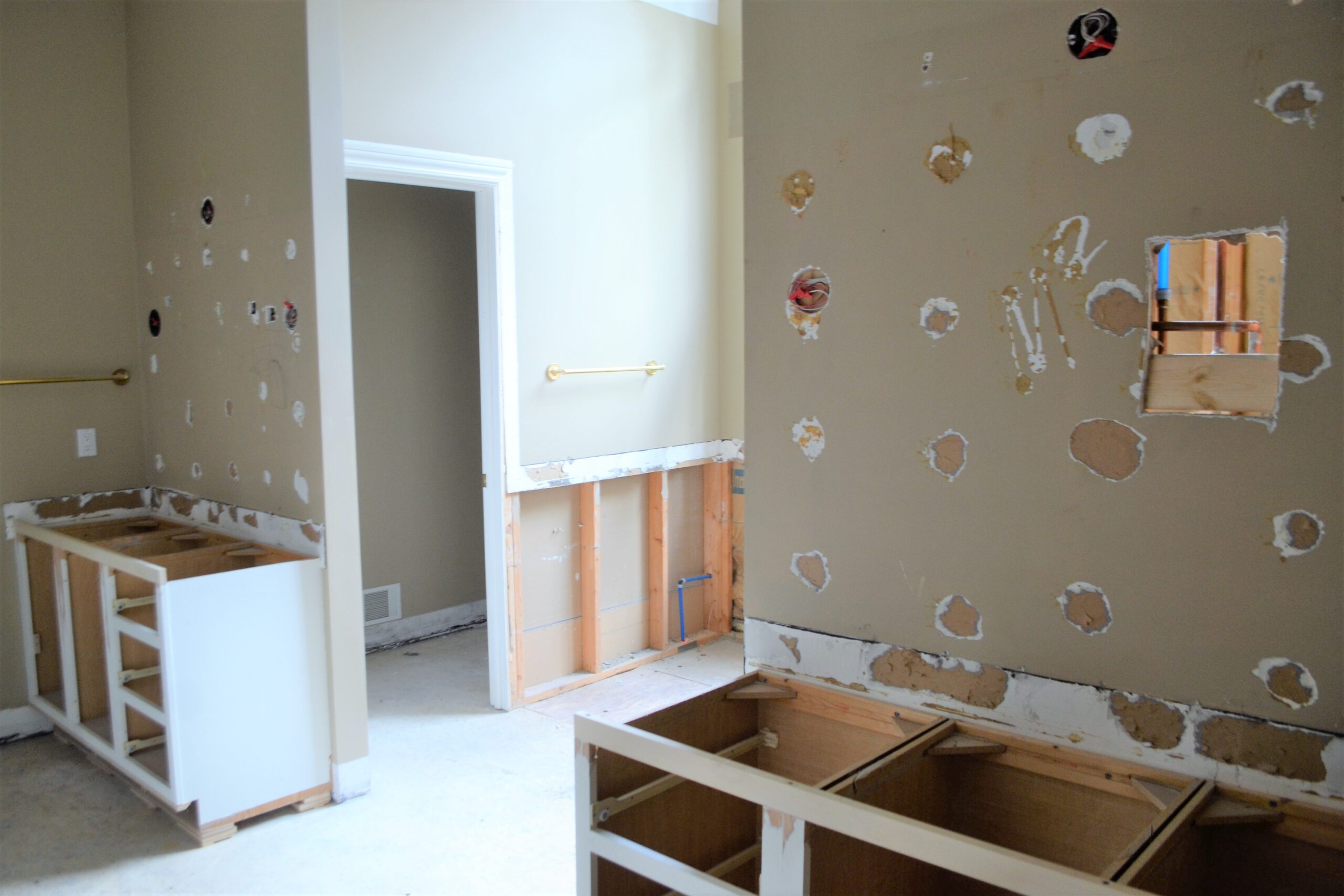
A kitchen remodel is one of the messiest jobs a Cedar Valley homeowner takes on. Pulling cabinets, tearing out flooring, and swapping old appliances fills a room with debris faster than most people expect, and carrying it to the landfill in a pickup turns into trip after trip. A roll-off dumpster parked in the driveway keeps all of it in one place from the first day of demolition.
3D Solutions is based in Denver, Iowa, and runs its yard in Waterloo, so delivery across the Cedar Valley is quick. This guide covers what a kitchen tear-out actually produces, how to choose between a 20-yard and a 30-yard container, and which items carry a surcharge or need a quick question at booking. For most single-kitchen projects, a 20-yard roll-off dumpster is the right place to start.
Do you need a dumpster for a kitchen remodel?
Yes, most kitchen remodels produce far more debris than a few pickup loads can handle, so a roll-off dumpster is usually the practical choice. A single tear-out sends out cabinets, countertops, flooring, drywall, old fixtures, and appliances, often in the same week. Loading one container in the driveway beats repeated runs to the landfill, and it keeps the worksite clear so the rest of the job moves faster. It also keeps a messy pile off your lawn and out of the garage while the project runs.

What comes out of a kitchen during a remodel
A kitchen tear-out mainly produces cabinets, countertops, flooring, drywall, old fixtures, and appliances, and nearly all of it is accepted in a 3D Solutions roll-off. Cabinets, drywall, flooring, sinks, faucets, and general construction debris all go in without a second thought. The items that need attention are the appliances and lighting, which carry a per-item surcharge, and the heavy materials, which drive up the billed weight.
Here is the short version of what a typical kitchen job loads into the container:
- Base and wall cabinets
- Laminate countertops
- Drywall and backsplash
- Old flooring and underlayment
- Sink, faucet, and plumbing trim
- Range, dishwasher, microwave, and other appliances
- Light fixtures and bulbs
The table below sorts the common kitchen items by whether they can go in, so you can plan before the first cabinet comes off the wall. For a wider look at capacity, see our breakdown of what fits in a 20-yard dumpster.
| Item | Can it go in? | Note |
|---|---|---|
| Cabinets | Yes | Breaking them down helps them stack. |
| Laminate countertops | Yes | Standard construction debris. |
| Stone countertops | Confirm at booking | Heavy, so it adds to the weight billed at $43 per ton. |
| Concrete countertops | No | Concrete is prohibited entirely. |
| Appliances | Yes | $75 per-item surcharge each. |
| Refrigerator or freezer | Confirm at booking | Ask about refrigerant handling when you reserve. |
| Light fixtures and LED bulbs | Yes | $75 per-item surcharge each. |
| Sink and faucet | Yes | Goes in with general debris. |
| Drywall | Yes | Accepted. |
| Flooring | Yes | Accepted, including underlayment. |
| Tile | Confirm at booking | Heavy, so it raises the billed weight. |
| Cleaners and paint | No | Chemicals, paint, and liquids are prohibited. |
20-yard or 30-yard for one kitchen
For a single kitchen, the choice comes down to how much flooring and debris the job involves. The 20-yard measures 22 by 8 by 4 feet and holds up to 8 pickup truck loads. The 30-yard measures 22 by 8 by 6 feet and holds up to 12 pickup truck loads. The two share the same footprint, so the 30-yard only adds height, not driveway space.
The 20-yard covers most standalone kitchen remodels. Size up to the 30-yard when the flooring runs into adjacent rooms, when the kitchen is part of a larger project, or when heavy materials like tile or stone are coming out. When a job is in between, the taller container buys headroom without changing where it sits.
Appliances, lighting, and the $75 per-item surcharge
Appliances, light fixtures, and LED bulbs each carry a $75 per-item surcharge, and a kitchen usually has all three. A full remodel often sends out a range, a dishwasher, a built-in microwave, overhead and under-cabinet light fixtures, and a handful of LED bulbs, so it pays to count them before you book and budget for each one. Our guide to appliance disposal in a dumpster rental explains how the surcharge is applied.
Refrigerators and freezers are a separate question. The site does not publish a specific refrigerant policy, so do not assume one way or the other. Tell the team you have a fridge or freezer when you reserve and confirm how it should be handled. Sorting that out at booking avoids a surprise on delivery day.
Countertops, tile, and other heavy materials
Laminate countertops go straight in, but concrete countertops cannot, because concrete is prohibited entirely. Stone countertops and tile should be confirmed at booking rather than assumed. The bigger thing to watch with any of these is weight, since anything over what the flat rate covers is billed at $43 per ton after the truck is weighed at the landfill.
Granite, quartz, and tile are dense, so a kitchen heavy on stone and tile can add up quickly even when the volume looks modest. If your remodel involves a lot of it, mention it when you book so you can plan the load and avoid an unexpected overage. Spreading heavy material across the floor of the container rather than piling it in one corner also helps the load sit safely.
What has to stay out
Keep liquids, concrete, dirt, bricks, and anything hazardous out of the dumpster. In a kitchen, the usual culprits are the cleaners, drain products, and leftover paint stored under the sink, all of which are prohibited along with any liquids. Chemicals, batteries, tires, and paint are not accepted, so set those aside for proper disposal before loading.
Loading is by hand only, not with machinery, so plan to carry pieces in rather than push them with equipment. If a load contains prohibited material and the truck cannot haul it, you may have to empty it and could face charges, which is reason enough to keep the banned items out from the start.
Local note: Homes built before 1978 may contain lead-based paint on walls, trim, or old cabinets. Before disturbing painted surfaces, review the EPA’s Lead Renovation, Repair and Painting guidance and consider a lead-safe certified contractor. Requirements vary by situation, so confirm what applies to your home.
Timing the dumpster with the remodel schedule
Schedule delivery for the day demolition starts, so the container is on site when the heaviest debris comes out. Every rental includes 14 days, which covers most single-kitchen projects from tear-out to cleanup. The delivery window runs from 8:00 AM to 8:00 PM, and payment is due on or before delivery.
Remodels slip, so plan for the clock. Extensions are priced per size: the 20-yard is $5 per day and the 30-yard is $15 per day beyond the included period. If your kitchen is one phase of a bigger job, our guide to when to rent a dumpster for a remodel walks through phased timing, and a whole-house renovation that generates debris across many rooms is a different planning exercise from one kitchen.
Key Takeaways
- Start with the 20-yard for one kitchen, and step up to the 30-yard when flooring reaches other rooms or heavy material is involved.
- Budget $75 for every appliance, light fixture, and LED bulb headed into the container.
- Concrete countertops are out; ask about stone countertops and tile before you book.
- Clear the cleaners, paint, and chemicals from under the sink before you load.
- Book delivery for demolition day to put the full 14-day window to work.
- Flag a refrigerator or freezer when you reserve so refrigerant handling is settled early.
Kitchen Remodel Dumpster FAQs
Should the contractor or the homeowner book the dumpster?
Either one can book it, and it usually comes down to who runs the project. If a contractor manages your remodel, they often include the dumpster in their scope. If you are doing the work yourself, you can reserve directly with 3D Solutions and keep it in your own name.
Do I need to be home when the dumpster is delivered?
No, you do not need to be present at delivery as long as the placement area is clear and you have given instructions. Leave a spot at least 15 feet long by 10 feet wide on a surface that can bear the weight. Protective boards are placed under the container.
What if the dumpster fills up before the remodel is finished?
You can request a swap-out during the rental if the container fills up. The full one is hauled away and an empty one is dropped so the work keeps moving. Reach out as soon as you can see it filling so the swap can be scheduled.
How fast can a dumpster be delivered in the Cedar Valley?
Delivery typically happens within 24 to 48 hours of booking. Same-day service is sometimes available depending on your location and current demand. Booking a day or two before demolition is the safest way to have it ready.
Can old upper cabinets go in whole or do they need to be broken down?
Upper cabinets can go in whole, though breaking them down lets you use the space better. Loading is by hand only, not with machinery, so flatter, lighter pieces stack more easily. Cabinets are accepted either way.
Do I need a permit to place the dumpster on the street?
A dumpster on your own driveway or private property usually needs no permit. Placing it on a public street or sidewalk may require a local permit, and rules vary by city. Check with your local authority before the container is delivered.
Ready to clear out your kitchen tear-out in one haul? Reserve your roll-off dumpster with 3D Solutions and have it in the driveway when demolition starts. Call (319) 406-0043 or email [email protected] with any questions about your project.