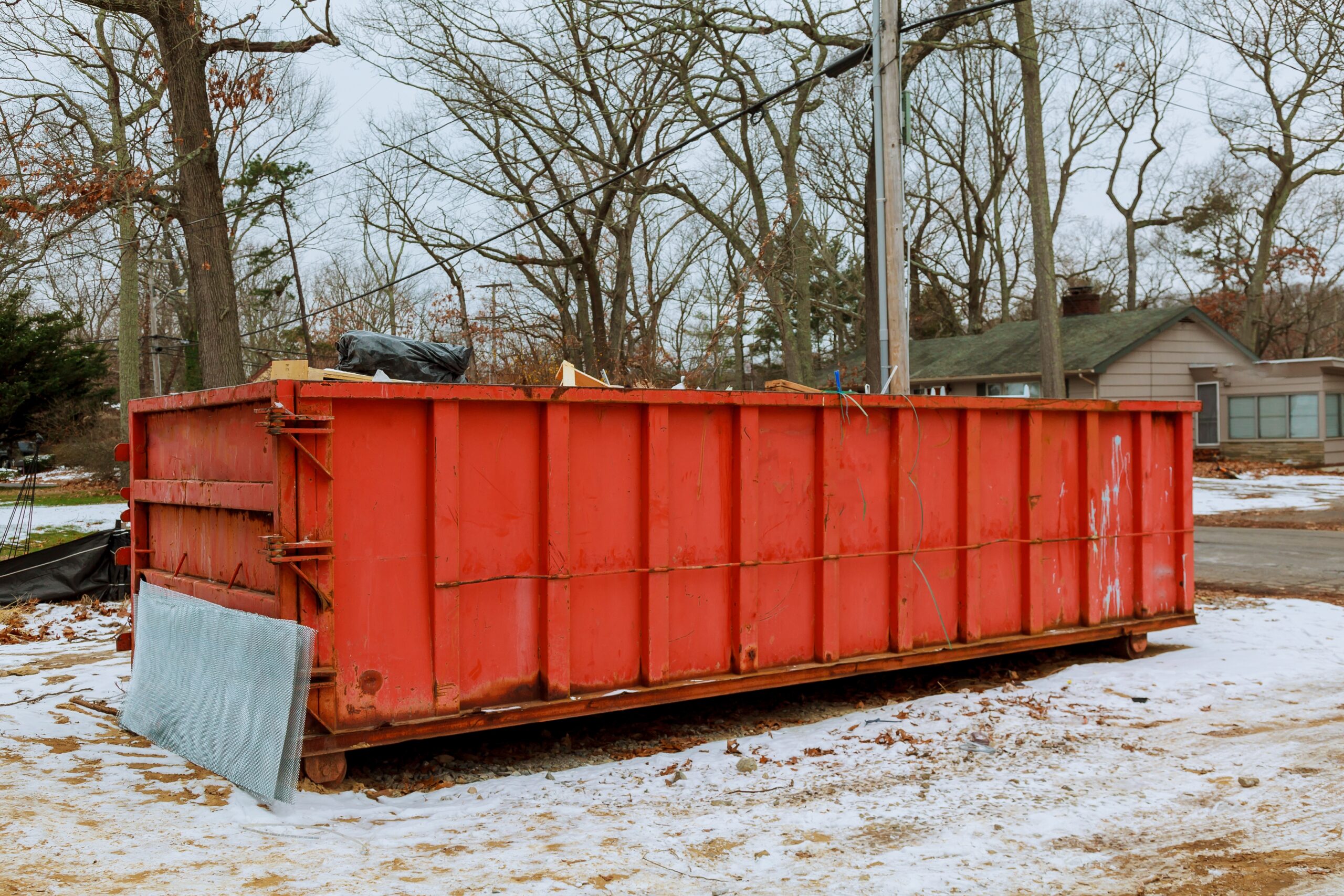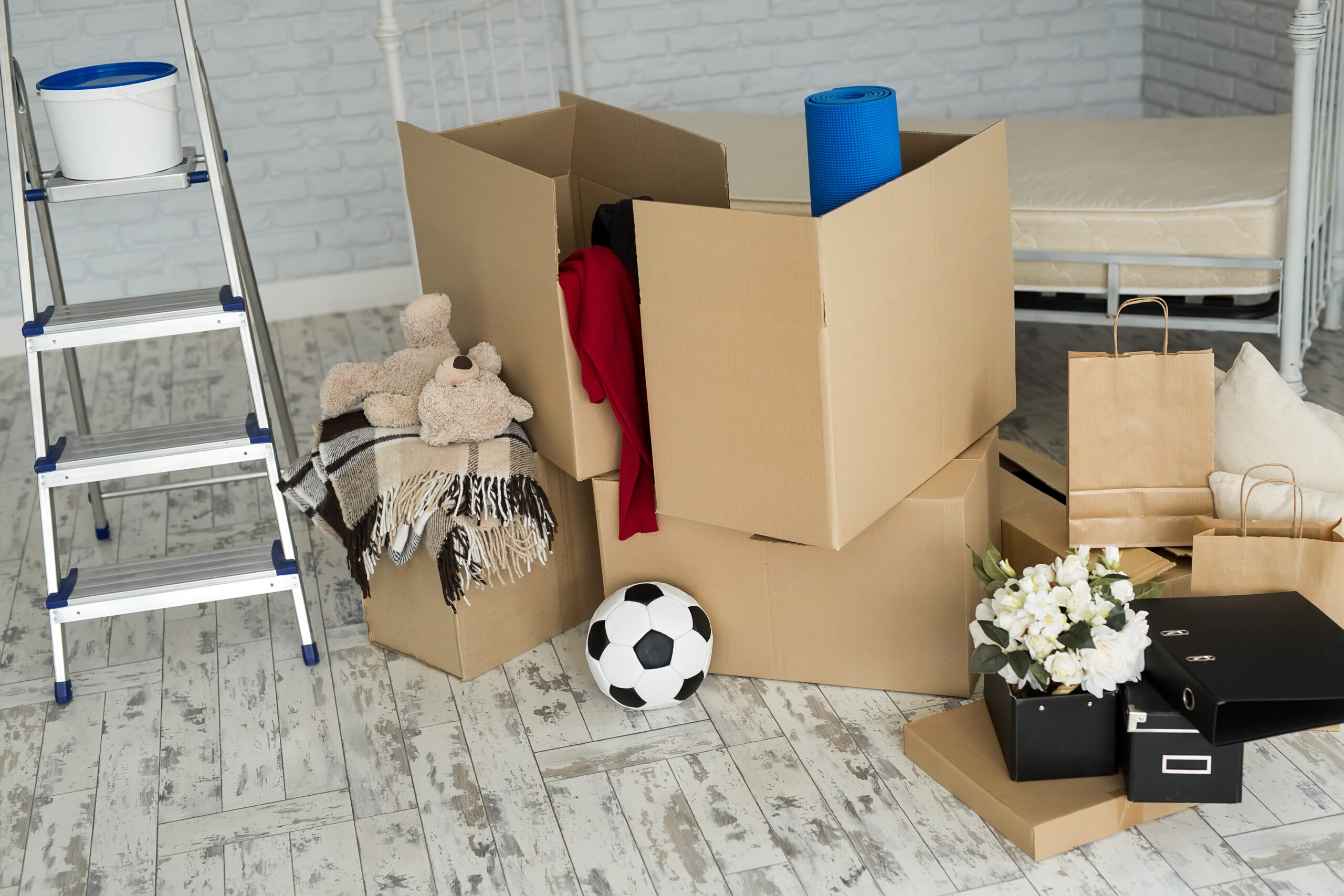
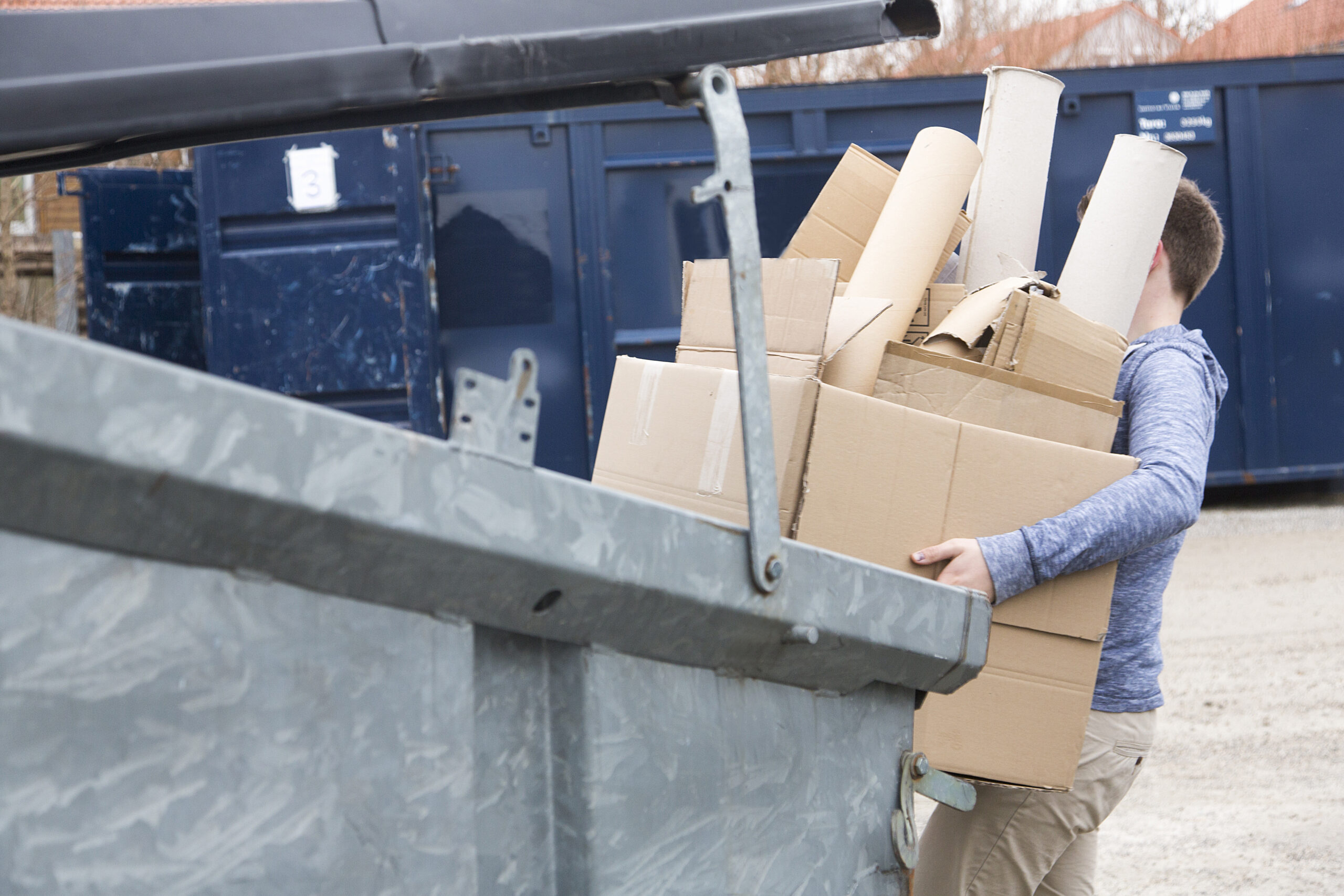
Loading a roll-off dumpster looks simple until a load shifts, a container cannot be hauled, or a surprise weight charge lands on the final bill. 3D Solutions is based in Denver, Iowa, and operates out of a Waterloo yard serving the Cedar Valley, so we drop and haul these containers every day. How you load one decides whether it leaves clean on the first try. If you are ready to reserve, you can book a dumpster online and plan the load before it arrives.
This guide covers the whole loading process: what to take care of before the container is dropped, what goes in first, how to keep weight and height under control, and when to call for a swap-out. Every container is loaded by hand, so a little planning saves real time and avoids charges you can control.
How do you load a roll-off dumpster?
Load a roll-off dumpster by hand, from the floor up, with the heaviest and flattest items first. Spread the weight evenly across the floor, fill the gaps with smaller debris, and keep everything level and inside the walls so the container can be covered and hauled. Never load with machinery, and never fill past what the truck can safely carry.
At 3D Solutions, containers are loaded by hand, not with a skid steer, excavator, or tractor bucket. Dropping heavy material in with machinery can dent or crack a container, and negligent damage can make the renter liable for repair. Loading by hand also gives you control over how the weight sits, which matters more than most people expect when it comes to staying inside the flat rate.
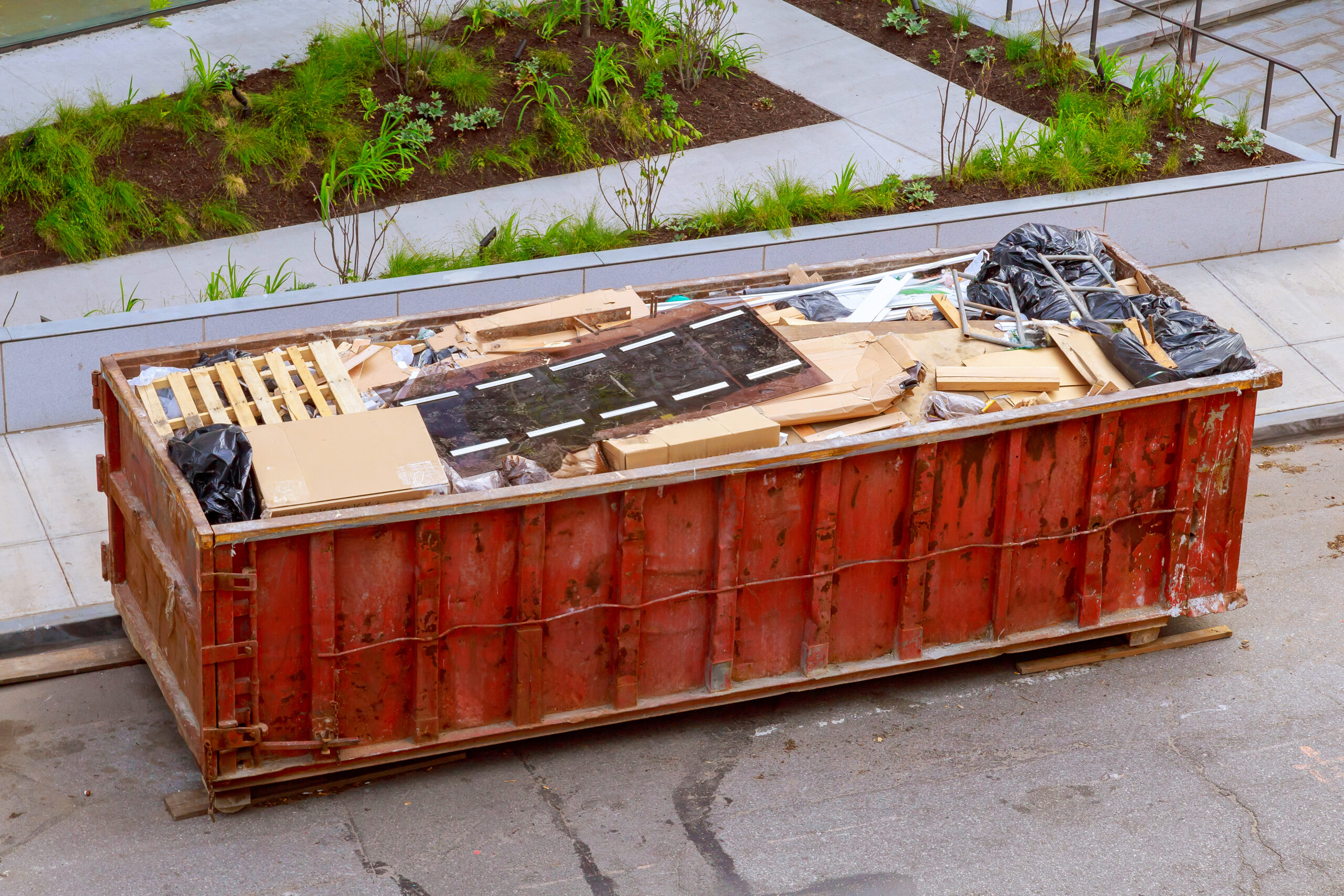
Before the container arrives
Before the container arrives, clear a flat spot at least 15 feet long by 10 feet wide on a surface that can bear the weight, and set aside anything that is not allowed in the container. Good prep means the driver can place it cleanly and you can start loading right away.
Pick a firm, level surface like a driveway or a compacted gravel pad. The driver places protective boards under the container to help guard the surface, but the ground still has to carry the full weight once the container fills. While you wait, sort prohibited and hazardous items into a separate pile so they never end up in the load. If you are not sure which size fits your project or how much room each one needs, our guide to dumpster dimensions and the space each size needs breaks it down.
Local note: If the only open spot is a public street or sidewalk, your city may require a right-of-way permit. Rules vary across the Cedar Valley, so check with your local city office before placement.
How to load a dumpster, step by step
The order that works best is bottom to top and heavy to light: prohibited items out, bulky pieces broken down, heavy flat material across the floor, gaps filled, and the load kept level and under the top rail. Following that sequence keeps the container stable, legal to haul, and easier to fill all the way.
- Sort out prohibited items before delivery. Keep liquids, concrete, dirt, and bricks out, along with hazardous items like chemicals, batteries, tires, and paint.
- Break down bulky items so they lie flat. Collapse boxes and take apart furniture so nothing traps empty space.
- Load heavy, flat material first and spread it across the floor. Boards, plywood, and flat metal make an even, stable base.
- Fill the gaps with smaller debris. Work loose pieces and bagged waste into the spaces so the load settles tight.
- Keep the load level and inside the walls. Do not heap material above the top rail, so the container can be covered and hauled. Confirm the exact fill limit at booking.
- Watch dense materials that add weight fast. Shingles, plaster, and wet wood get heavy quickly, so spread them out and track how full the container is.
- Call for a swap-out or pickup when it is full. If the container fills before the job is done, a swap-out can be arranged during the rental.
| Stage | What goes in | Why |
|---|---|---|
| Floor layer | Heavy, flat items: boards, drywall, plywood, flat metal | Builds an even, stable base and balances weight across the floor |
| Lower fill | Bulky broken-down items: furniture frames, cabinets, flattened boxes | Uses the lower space before smaller debris goes in |
| Gap fill | Small debris and bagged waste | Settles the load tight and removes trapped air pockets |
| Top layer | Light, loose material | Keeps the heaviest weight low and the load easy to keep level |
| Stays out | Liquids, concrete, dirt, bricks, chemicals, batteries, tires, paint | Prohibited, and a load the truck cannot haul must be emptied by the renter |
How high can you fill it?
Fill a roll-off dumpster no higher than the top rail, so the load stays inside the walls and the container can be covered and hauled safely. 3D Solutions does not publish a specific fill-height rule, so confirm the exact limit when you book.
A load heaped above the walls cannot be tarped or covered, which makes it unsafe to move and can mean the driver has to leave it until it is repacked. Keeping the top level also helps the weight stay balanced from front to back. You can check common questions on our dumpster rental FAQs or simply ask when you reserve.
Keeping weight under control
Keep weight under control by spreading dense materials thin and mixing heavy debris with lighter loads instead of concentrating it in one area. Weight over what the flat rate covers is billed at $43 per ton after the truck is weighed at the landfill, so how you load directly affects what you pay.
Materials like shingles, plaster, wet wood, and dense rubble add weight fast, so spread them out and keep an eye on how full the container is getting. For a closer look at what your debris might weigh before you load, see our guide to estimating dumpster weight. Loading by hand is physical work, too. General safe-lifting guidance, such as the material-handling advice from OSHA, points to lifting with your legs, keeping loads close to your body, and getting help with heavy or awkward pieces. Work within your own limits and do not take on more than you can handle safely.
What never goes in
Some materials never go in a roll-off dumpster. Liquids, concrete, dirt, and bricks are prohibited outright, and hazardous items like chemicals, batteries, tires, and paint are not allowed at all.
If a load contains prohibited material and the truck cannot haul it, you have to empty the container yourself, and that can lead to extra charges. Most everyday debris is fine, including household junk, furniture, construction debris, roofing materials, mattresses, and electronics. For the full breakdown, see what you can put in a rental dumpster. Appliances, light fixtures, and LED bulbs carry a $75 per item surcharge. For refrigerant appliances such as refrigerators, freezers, and air conditioners, confirm how they are handled when you book, since the policy on those can vary.
When to call for a swap-out
Call for a swap-out when the container fills before your project is finished. Swap-outs are available during the rental, so a full container does not have to stop the job.
Each rental includes 14 days. If you need more time rather than more space, extensions run $5 per day for the 20-yard and $15 per day for the 30-yard. When the container is full, a quick call gets a swap-out or a final pickup on the schedule. The 20-yard holds up to 8 pickup truck loads and the 30-yard up to 12, so matching the size to the job up front cuts down on swaps.
Key Takeaways
- Load by hand only. Machinery can damage the container, and negligent damage can make the renter liable for repair.
- Keep the load no higher than the top rail. 3D Solutions publishes no fixed limit, so confirm it at booking.
- Hazardous items (chemicals, batteries, tires, paint) are never allowed, the same as liquids, concrete, dirt, and bricks.
- Appliances, light fixtures, and LED bulbs carry a $75 per item surcharge, and refrigerant appliances should be confirmed at booking.
- Each rental includes 14 days. Extensions are $5 per day for the 20-yard and $15 per day for the 30-yard.
- Swap-outs are available during the rental if the container fills before you finish.
Dumpster Loading FAQs
Can you climb inside the dumpster to load it?
It is best not to climb inside a roll-off dumpster to load it. Loading from outside is safer, since standing on loose, uneven debris inside the container risks a slip or fall. If something needs adjusting, use a rake or a long tool from outside rather than climbing in.
Can you load a dumpster at night?
You can load a dumpster at any time while it is on your site, including at night. The container is yours for the full rental period, so load whenever it fits your schedule. Good lighting helps you keep the load even and avoid tripping over debris.
Do contractors and homeowners load dumpsters differently?
The loading method is the same for contractors and homeowners. Heavy, flat material goes on the bottom, the load stays level, and nothing rises above the top rail. Contractors often handle denser debris, so weight planning matters more, but the technique does not change.
Can you mix yard waste with other debris?
You can usually mix yard waste with general debris in the same container, as long as nothing prohibited goes in. Keep liquids, concrete, dirt, and bricks out. If your load would be mostly soil or sod, confirm at booking, since dirt is not allowed.
What should you do if a prohibited item went in by mistake?
If a prohibited item went in by mistake, take it back out before pickup if you can do so safely. A load the truck cannot haul has to be emptied by the renter and may lead to charges, so it is worth checking the container before the scheduled haul. When in doubt, call 3D Solutions.
Do you need to be home when the dumpster is delivered or loaded?
You do not need to be home for delivery or loading, as long as the placement area is clear and you have left instructions for where the container should go. Once it is on site, you can load it on your own schedule.
Ready to load up and clear out? 3D Solutions delivers roll-off dumpsters across the Cedar Valley, usually within 24 to 48 hours. Contact us to reserve your container, or call (319) 406-0043 or email [email protected] to talk through your project.