Learning how to estimate dumpster weight before you load is the simplest way to avoid overage fees on your rental. Every 3D Solutions roll-off includes a haul, and anything over that is billed at a flat 43 dollars per ton once the loaded container is weighed at the landfill. That is easy to plan around once you know how weight adds up. If you want the full pricing picture first, see how our flat-rate pricing works, then reserve the right size online.
3D Solutions is based in Denver, Iowa, and runs roll-off dumpsters out of a Waterloo yard across the Cedar Valley. This guide walks through why weight matters, a step-by-step way to estimate it, which materials weigh the most, and how to keep your bill predictable. Every figure here is our real, current rate.
Why Dumpster Weight Matters
Dumpster weight matters because it is the one part of a flat-rate rental that can change your final bill. The container price is fixed, but your load is weighed at the landfill, and any tonnage over your included haul is billed at 43 dollars per ton. Volume fills the box, but weight is what the scale reads, and dense materials hit the limit long before the container looks full.
That is why a little estimating up front pays off. If you know roughly how heavy your debris is, you can pick the right size, keep heavy materials in check, and avoid a surprise line on the invoice. It is the difference between a predictable flat rate and an unexpected overage.
How to Estimate Dumpster Weight Step by Step
To estimate dumpster weight, break the job into materials, size up the volume, apply a rough weight to each, and total it in tons. You do not need to be exact. A close estimate is enough to pick the right container and stay under your included haul. Work through these steps before you start loading.
- List your materials. Write down what is actually going in: roofing, drywall, lumber, furniture, yard waste, general junk. Weight varies wildly by type, so this is the foundation of the estimate.
- Estimate the volume. Picture how many pickup truck loads the pile would fill. A 20-yard holds up to 8 loads and a 30-yard up to 12, which gives you a scale to work against.
- Apply a rough weight to each material. Group items as light, moderate, or heavy. Dense materials like roofing and drywall weigh far more per load than furniture or general household junk.
- Add it up and convert to tons. Total your rough pounds, then divide by 2,000 to get tons. That number is what the landfill scale is effectively measuring.
- Compare and plan. Match your estimate to the container and remember that weight over your included haul is 43 dollars per ton. If the number looks high, size up or split the heavy material into its own plan.
Which Materials Weigh the Most?
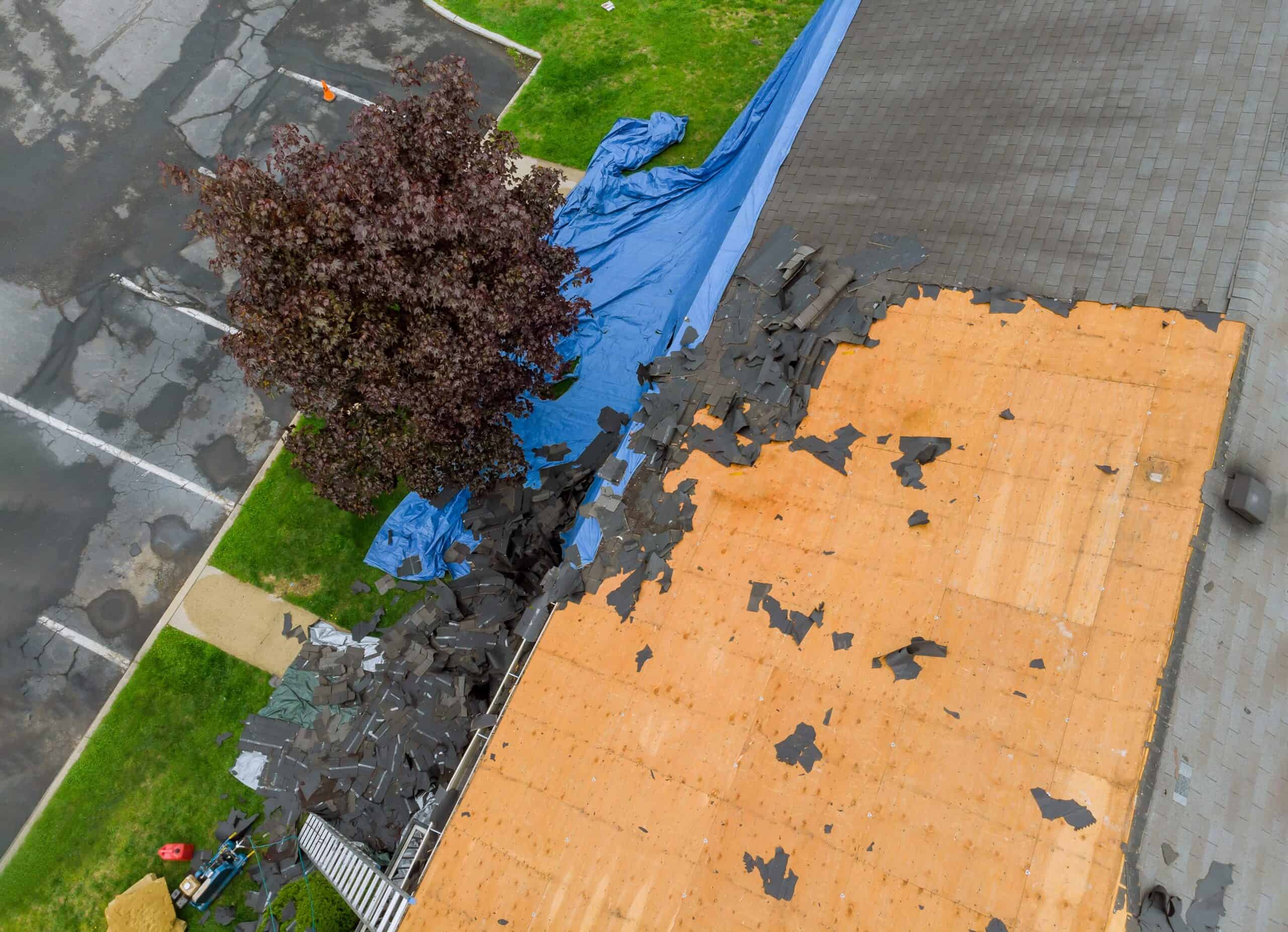
The heaviest materials for their size are roofing shingles, drywall, plaster, and anything wet. These reach the weight limit with very little volume, which is why a roofing tear-off can feel small yet weigh a lot. Lighter loads like furniture and general junk fill the space long before they trouble the scale. Actual weights vary by product, so treat the table below as a relative guide, not exact figures.
| Material | Relative weight | Planning note |
|---|---|---|
| Roofing shingles | Very heavy | A tear-off hits tonnage fast, even over a small area |
| Drywall and plaster | Heavy | Denser than it looks once stacked |
| Wet debris and soil-laden waste | Heavy | Water adds significant weight |
| Lumber and framing | Moderate | Bulky but lighter than masonry |
| Furniture and household junk | Light to moderate | Fills volume before it fills weight |
| Concrete, brick, and dirt | Not accepted | Too heavy to haul legally, never allowed |
Roofing is the classic weight trap, so if that is your project, our roofing dumpster guide covers how tear-off weight drives the right size. The EPA also publishes useful background on construction and demolition materials, which make up most of the heavy debris homeowners underestimate.
How to Avoid Overage Fees
The best way to avoid overage fees is to right-size the container and be honest about heavy materials before you book. Keep the load level and under the fill line, spread heavy debris across the floor instead of piling it, and separate dense material so you can plan for its weight. When roofing or masonry-heavy debris is involved, ask us about the right size up front rather than guessing.
Local note: Weight limits and tonnage rules at the landfill are set by the facility, not by us, and can vary. When your load includes a lot of heavy material, confirm the plan with us at booking so there are no surprises at the scale.
What Happens If You Go Over
If you go over your included weight, the excess is simply billed at 43 dollars per ton after the landfill weigh-in, with no separate penalty. The truck is weighed with your load, the overage is calculated, and it appears as one added line on your bill. An underestimate is not a disaster, just an added charge you can plan for.
The real problem is prohibited heavy material. If concrete, dirt, or bricks end up in the container, the truck may not be able to haul the load legally, and you would have to empty it and may incur charges. Those materials are never allowed, no matter how much room is left. If you are unsure whether something is too heavy, check our FAQs or ask before you load it.
Weight or Volume, Which Fills First?
Whether weight or volume fills first depends entirely on your material, and knowing which case you are in tells you how to plan. Heavy debris like roofing and drywall hits the weight limit while the container still looks half empty, so tonnage is your constraint. Light material like furniture, boxes, and general junk fills the space long before the scale notices, so room is your constraint instead.
Most real cleanouts are a mix, which is why the estimate is worth doing. A remodel that combines drywall, old fixtures, and packaging can run out of both space and weight at roughly the same time, while a garage purge of furniture and totes almost always fills the box first. Match your plan to whichever runs out sooner and the rest falls into place.
Should You Size Up or Split the Load?
If your estimate lands close to a size or weight boundary, sizing up is usually cheaper than an overage or a second rental. Stepping from a 20-yard to a 30-yard adds room and breathing space on weight for a small difference in the flat rate, and it saves the hassle of a swap-out mid-project. When a job is genuinely large, that extra capacity is almost always worth it.
For very dense, heavy debris, spreading the material across a plan can also keep any single load manageable. If a project mixes a heavy tear-off with a lighter general cleanout, it sometimes makes sense to handle them separately so neither load runs past its weight. When you are not sure which way to go, tell us what you are throwing away and we will recommend the size that keeps your bill predictable.
Key Takeaways
- Weight over your included haul is billed at 43 dollars per ton, measured when the loaded container is weighed at the landfill.
- Estimate by listing materials, sizing up the volume in pickup loads, applying a rough weight, and converting to tons.
- Roofing, drywall, plaster, and wet debris are the heaviest for their size and reach the limit fast.
- Right-size the container and keep heavy debris in check to avoid overage fees.
- Concrete, dirt, and bricks are never allowed because they are too heavy to haul legally.
Dumpster Weight and Overage FAQs
How do I estimate the weight of my dumpster load?
Start by listing your materials, estimate the volume in pickup loads or cubic yards, then apply a rough weight for each type and add it up. Heavy materials like roofing and drywall reach the weight limit long before they fill the space.
How does 3D Solutions charge for weight?
Every rental includes a haul, and any weight over that is billed at 43 dollars per ton. Your loaded container is weighed at the landfill, so you only pay for the excess you actually throw away.
What materials are the heaviest in a dumpster?
Roofing shingles, drywall, plaster, and wet debris are among the heaviest for their size. They add weight quickly, so a small volume of these can carry a lot of tonnage.
How do I avoid overage fees?
Right-size the container, keep the load level and under the fill line, and be realistic about heavy materials. If you have a lot of roofing or dense debris, ask us about the right size before you book.
Can I put concrete or dirt in to save space?
No. Concrete, dirt, and bricks are never allowed because they are too heavy for the trucks to haul legally. If your project includes them, contact us and we will point you to the right disposal option.
What happens if I go over the included weight?
The overage is simply billed at 43 dollars per ton after the landfill weigh-in. There is no penalty beyond that flat per-ton rate, so an underestimate is not a disaster, just an added line on the bill.
Does a fuller dumpster always cost more?
Not by volume, since the base rate is flat. Cost only rises if the load runs past your included weight or you keep the container beyond 14 days at 5 dollars per day.
Not sure how heavy your load will be? Contact 3D Solutions and we will help you size the container and plan for the weight. Reach us at (319) 406-0043 or [email protected], and we will make sure your flat rate stays flat.