Clearing out a parent’s house, settling an estate, or helping someone move into a smaller place is a different kind of job than an ordinary cleanout. There are decades of belongings, family decisions to make, and often a deadline tied to a sale, a lease, or a closing date. 3D Solutions is based in Denver, Iowa, and runs roll-off dumpster deliveries out of our Waterloo yard to families across the Cedar Valley who are working through exactly this.
This guide covers how to size a roll-off container for an estate or downsizing cleanout, how to plan the timeline, and what has to stay out of the dumpster. For most full houses, the 30-yard roll-off dumpster is where we start the conversation, and we explain why below.
How Is an Estate Cleanout Different From a Regular Home Cleanout?
An estate cleanout clears an entire household at once, usually on a deadline, and often by family members who do not live nearby. A regular cleanout targets one room or one project. That difference changes the container size, the timeline, and how much sorting needs to happen before anything is thrown away.
If you are only tackling a cluttered spare room or a few closets, our guide to choosing a dumpster for a home cleanout is the better fit. Estate and downsizing work tends to include every room plus the garage, basement, attic, and any sheds, and it mixes furniture, mattresses, boxes of paper, kitchen goods, and yard items in a single load.
Families are also making hard decisions about a lifetime of belongings. Building in time for that sorting keeps the project moving and keeps things that matter out of the container.
What Should You Sort Before Anything Goes in the Dumpster?
Sort everything into keep, family, donate, sell, and discard piles before the dumpster arrives, and pull out important papers first. The dumpster should only ever hold the final discard pile. Once something is loaded and hauled away, it cannot be recovered.
- Documents: wills, deeds, vehicle titles, tax records, insurance policies, and bank statements. Set these aside for the executor or the family.
- Valuables and keepsakes: jewelry, photos, letters, military items, and anything a relative has asked about.
- Items promised to family: tag them clearly so helpers do not load them by mistake.
- Donations and sale items: furniture, clothing, and housewares in good shape can go to local charities or an estate sale.
- Hazardous leftovers: paint, cleaning products, pesticides, batteries, and propane cylinders. These get their own pile and never go in the roll-off.
Use colored tape or sticky notes, with a rule that nothing untagged gets loaded. If the home is part of an estate in probate, check with the executor or the estate attorney before discarding anything. Requirements differ from case to case, and they are the right people to say when clearing can begin.
What Size Dumpster Do You Need for an Estate Cleanout?
Most full-house estate cleanouts need the 30-yard dumpster, which measures 22 x 8 x 6 feet and holds up to 12 pickup truck loads. Smaller homes, apartments, and downsizing moves where much of the furniture is going with the owner often fit in the 20-yard, which measures 22 x 8 x 4 feet and holds up to 8 pickup truck loads.
| Home scope | Recommended size | Capacity | Rough timeline |
|---|---|---|---|
| Apartment, condo, or one-bedroom home | 20-yard (22 x 8 x 4 ft) | Up to 8 pickup truck loads | Usually fits within the included 14 days |
| Downsizing move, most furniture going with the owner | 20-yard (22 x 8 x 4 ft) | Up to 8 pickup truck loads | Usually fits within the included 14 days |
| Full house with basement and garage | 30-yard (22 x 8 x 6 ft) | Up to 12 pickup truck loads | Plan the full 14 days; add days at $5 each if needed |
| Full house plus outbuildings (shed, detached garage, barn) | 30-yard (22 x 8 x 6 ft), with a swap-out planned | Up to 12 pickup truck loads per container | Plan the full 14 days, a mid-rental swap-out, and possible extension days |
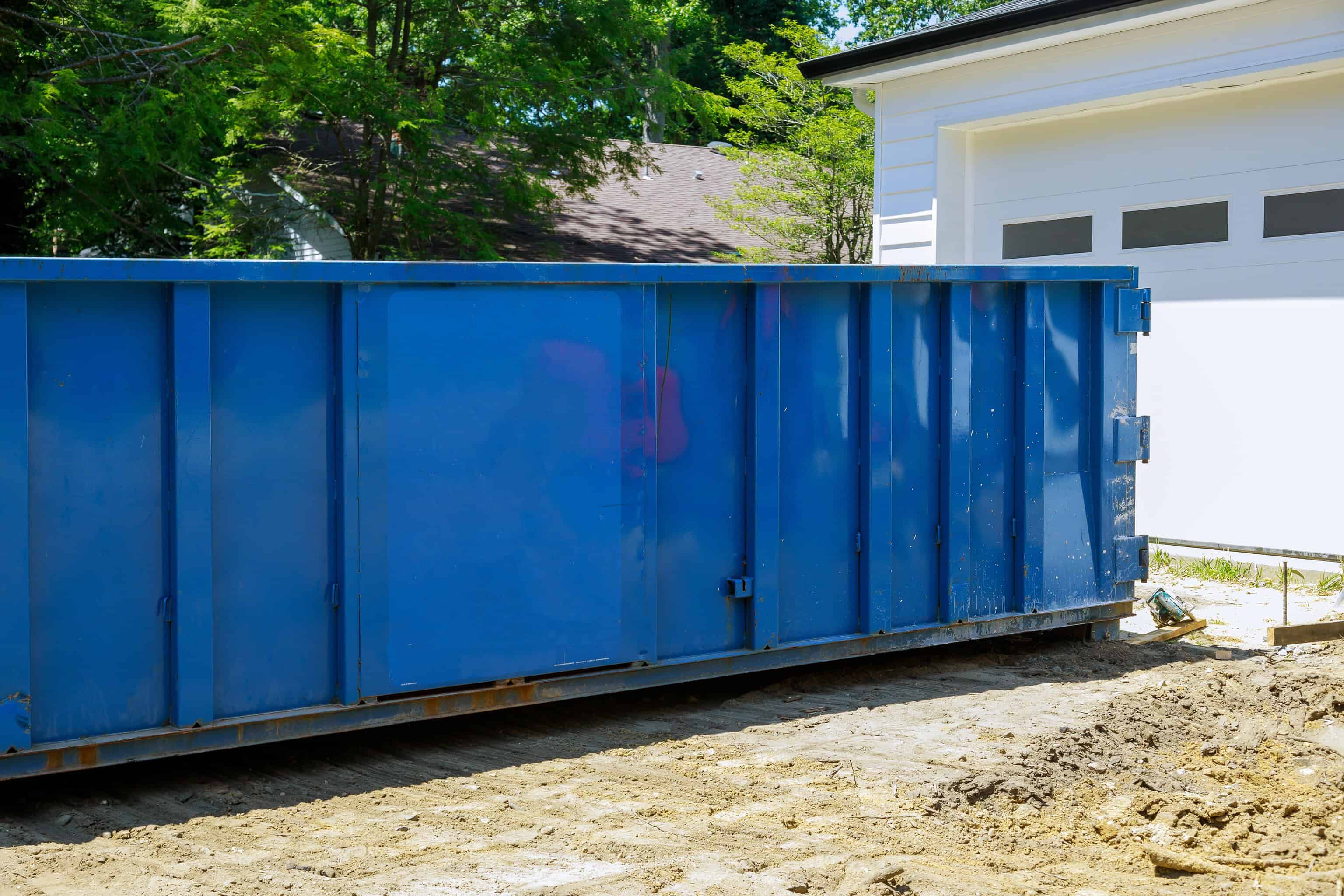
Both containers share the same footprint, so the 30-yard does not take up more driveway. The extra two feet of wall height is what adds capacity, which makes it a practical choice when you are not sure how much a house really holds. Most families underestimate, especially in basements and garages.
Weight matters as much as volume. A load of upholstered furniture and boxes behaves very differently from a load of books, filing cabinets, and damp basement storage, and weight is billed separately.
How Long Does an Estate or Downsizing Cleanout Take?
Every 3D Solutions rental includes 14 days, which gives most families room to sort and load around work schedules and travel. If you need longer, extensions are $5 per day. You can also request a swap-out if the container fills before the house is empty.
Timelines stretch when relatives travel in, an estate sale comes first, or the house is being readied for listing. The smoothest order is to remove keepsakes and documents, hold any sale or donation pickup, and then have the dumpster delivered for the final clear. That keeps your rental days for loading, not waiting.
If the house has a closing or move-out date, count backward from it and leave room at the end for pickup. Our post on how long you can keep a dumpster rental walks through extensions and scheduling in more detail.
What Can’t Go in the Dumpster When Clearing a Relative’s Home?
Paint, chemicals, batteries, tires, and liquids cannot go in a 3D Solutions dumpster, and neither can concrete, dirt, or bricks. Older homes almost always have some of these tucked away in the garage, basement, or shed. Set them aside early so they do not end up in the load by accident.
Common finds during an estate cleanout include:
- Half-used cans of paint, stain, and varnish
- Pesticides, weed killers, pool chemicals, and cleaning products
- Motor oil, antifreeze, and gas cans
- Propane cylinders from grills and heaters
- Car batteries and household batteries
- Old tires stored in the garage or barn
These need their own disposal route. Our guide to household hazardous waste disposal explains how to handle them safely and where to start. County solid waste agencies commonly run drop-off programs, but schedules and accepted items change, so confirm with your county before you haul anything. For propane cylinders, ask your propane supplier or county waste agency about return or disposal options.
Appliances, light fixtures, and LED bulbs can go in the dumpster with a $75 surcharge per item. Refrigerators, freezers, and air conditioners contain refrigerant, so confirm how those will be handled when you book rather than assuming. Heavy materials are a separate issue: if a load contains concrete, dirt, or bricks and the truck cannot haul it, the customer has to empty the container and may face extra charges.
How Should You Plan Dumpster Placement at the House?
Plan for a spot at least 15 feet long by 10 feet wide on a surface that can support the weight, which is usually the driveway. Our drivers place protective boards under the container. You do not need to be at the house for delivery as long as the area is clear and you leave instructions.
That last point matters for estate work, where the family member handling the house may live hours away. Move vehicles, clear anything hanging low over the driveway, and tell us about gates, soft ground, or tight turns. Delivery typically happens within 24 to 48 hours of booking, with same-day service available depending on location and demand, and drop-offs run between 8:00 AM and 8:00 PM.
Load by hand only. Filling the container with a skid steer or other machinery is not allowed, and negligent damage can make the customer liable. Break down bulky furniture so the space goes further.
Local note: A dumpster on your own driveway or private property typically does not need a permit. Placing it on a public street or sidewalk may require a local permit, and rules differ between Waterloo, Cedar Falls, Waverly, Denver, and the smaller towns we serve. If the driveway will not work, check with the city before delivery.
How Do You Keep Estate Cleanout Costs Predictable?
Start with the flat rate, which begins at $335 for a 20-yard and $355 for a 30-yard, then manage the two things that can add to it: weight and time. Trucks are weighed at the landfill, and any excess weight is billed at $43 per ton. Extra rental days are $5 each.
- Mix heavy and light. Books, files, and solid wood furniture add weight quickly. Spread them through the load instead of filling the container with them alone.
- Donate what you can. Anything that leaves through a charity or a sale is volume and weight you are not paying to haul.
- Keep prohibited items out. A load with concrete, dirt, or bricks may have to be emptied, which costs time and money.
- Count your appliances. Each appliance, light fixture, or LED bulb carries a $75 surcharge, so decide early which ones are going in.
- Book the right size. A swap-out beats an overfilled container, and starting with the 30-yard often avoids the need for one.
Payment is due on or before delivery, and paid reservations are not refundable, so settle dates with the family before you book.
Key Takeaways
- Pull documents, valuables, and items promised to family before the container is delivered.
- Both sizes share a 22 by 8 foot footprint, so the 30-yard needs no extra driveway space.
- Paint, chemicals, batteries, tires, and propane cylinders need a separate disposal route.
- No one has to be at the house for delivery if the placement area is clear and instructions are left.
- Swap-outs are available if the container fills before the house is empty.
- Check with the executor before clearing a home that is still in probate.
Estate Cleanout Dumpster FAQs
Do I need to be at the house when the dumpster is delivered?
No. As long as the placement area is clear and you give us delivery instructions, no one needs to be there, which helps when the family lives out of town.
Can we throw away old paint and cleaning chemicals from the house?
No. Paint, chemicals, batteries, and tires are not accepted in our dumpsters. Take them to a household hazardous waste program and confirm current drop-off details with your county.
What should we do with a propane tank from the grill or garage?
Keep it out of the dumpster. Ask your propane supplier or your county waste agency how to return or dispose of the cylinder safely.
Can an old refrigerator or freezer go in the dumpster?
Appliances carry a $75 surcharge per item. Because refrigerators and freezers contain refrigerant, confirm how they will be handled when you book.
Should we wait until probate is finished to clear the house?
Ask the executor or the estate attorney first. They can tell you what must be kept and when clearing can start, since that depends on the specific estate.
What happens if the dumpster fills up before the house is empty?
Request a swap-out. We can exchange the full container for an empty one during your rental so the work keeps moving.
Can old concrete steps or a brick planter go in with the household items?
No. Concrete, dirt, and bricks are prohibited. If a load contains them and the truck cannot haul it, you will need to empty the container and may incur charges.
When do we pay for the rental?
Payment is due on or before delivery. Reservations are not refundable once paid, so confirm your dates with the family first.
When the family is ready to clear the house, call us at (319) 406-0043 or reach out to our team, and we will help you choose a size and a delivery date that fits your timeline.