When you rent a roll-off dumpster for a cleanout in the Cedar Valley, sorting the pile is easy until you hit the half-empty paint cans, the box of old cleaners under the sink, or the car battery sitting in the corner of the garage. Those items look like junk, but they are household hazardous waste, and they do not belong in a dumpster. 3D Solutions is based in Denver, Iowa, runs its yard out of Waterloo, and delivers waste containers across the Cedar Valley, so this question comes up on nearly every home project.
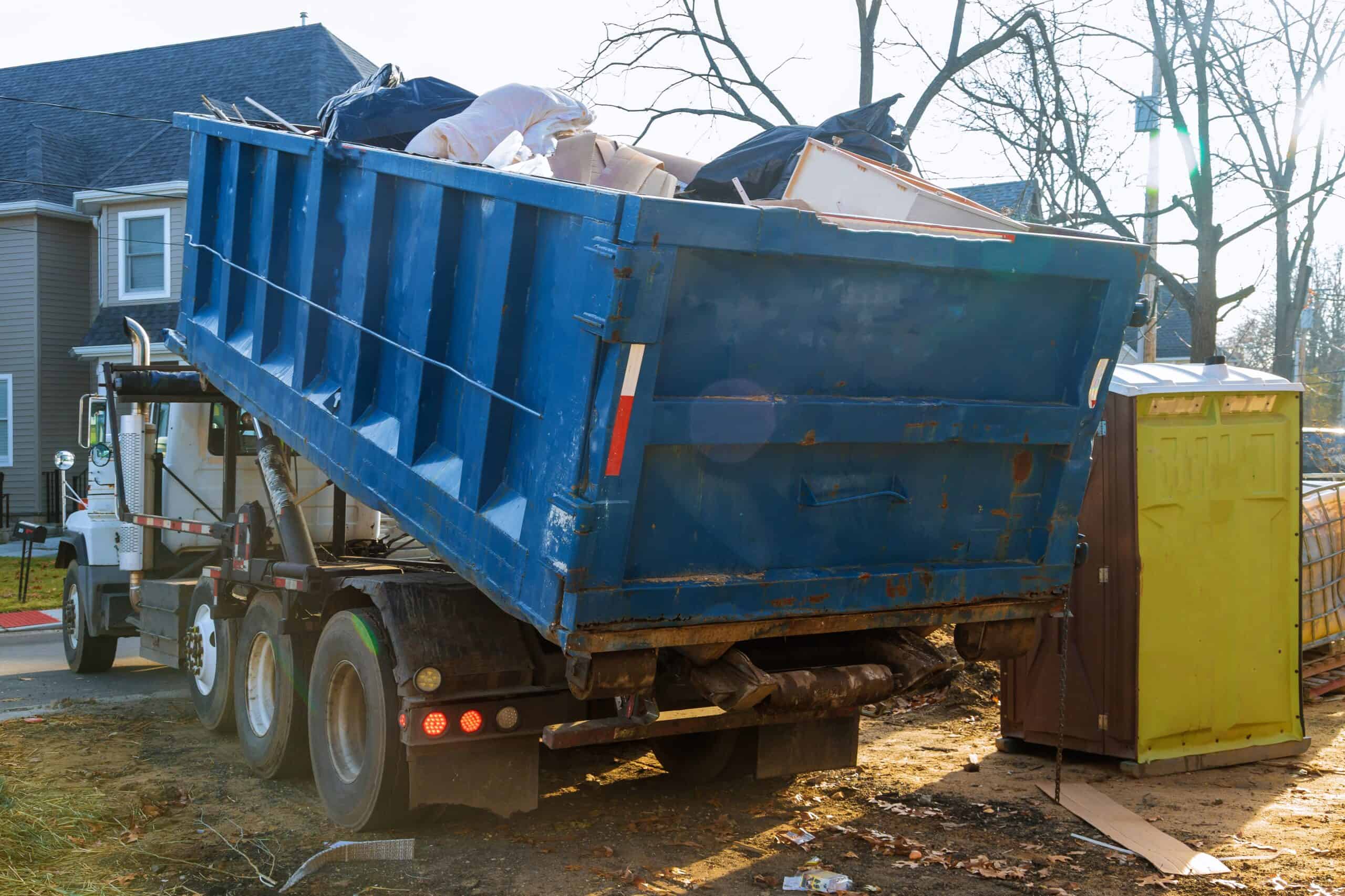
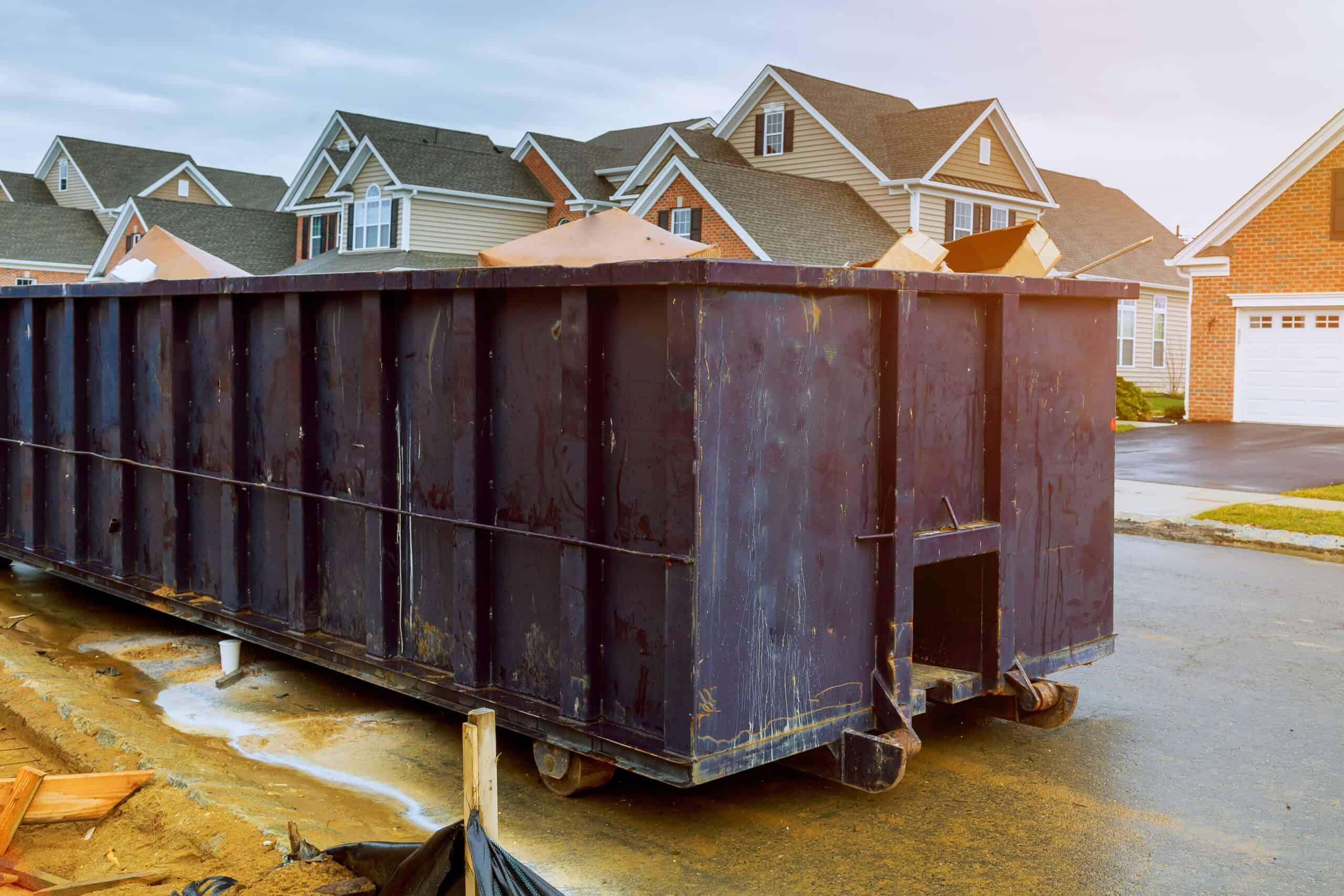
The short version is that a roll-off is built for solid, non-hazardous debris, and anything hazardous has to be routed somewhere else. Before you load up, it helps to know exactly what your container can take, and our guide to what you can put in a rental dumpster covers that side. This post covers the other side: the paint, liquids, chemicals, batteries, and tires a dumpster cannot accept, and where those items actually go.
What counts as household hazardous waste?
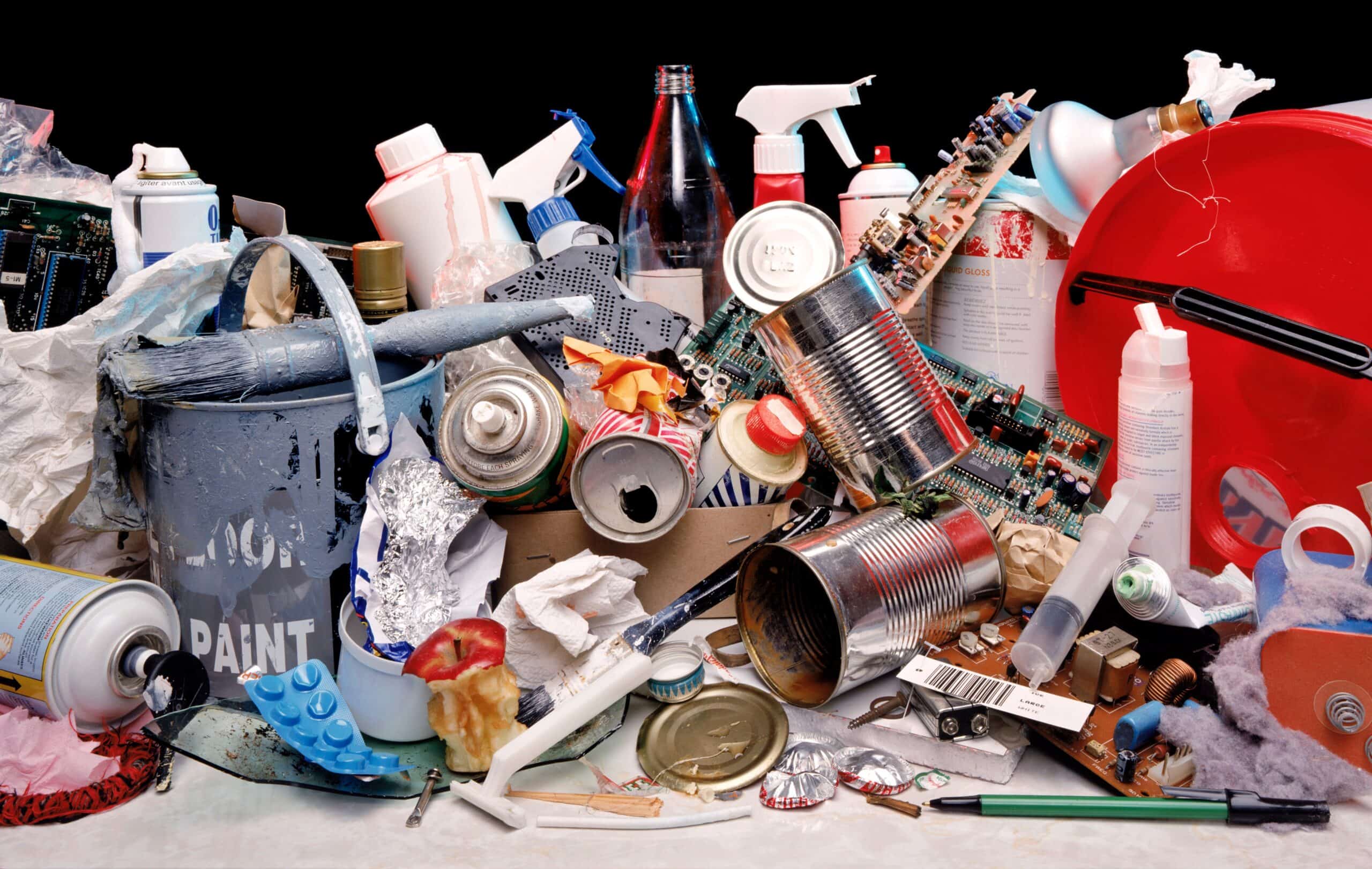
Household hazardous waste is any leftover household product that is flammable, corrosive, toxic, or reactive. In practice that means paint and stains, solvents and thinners, motor oil and other automotive fluids, pesticides and lawn chemicals, pool chemicals, drain and oven cleaners, batteries, and tires. These items are prohibited in a 3D Solutions dumpster because they can leak, react with other debris, or contaminate a whole load at the landfill.
It is a small share of a typical cleanout, but it is the part that stops a haul in its tracks. Most of what fills a garage or basement is fine: household junk, furniture, construction debris, roofing materials, mattresses, and electronics all go straight in the container. The trouble is the shelf of chemicals and the pile of old tires that people assume can ride along with everything else. They cannot, and pulling them out before delivery saves you a headache later.
Can you put hazardous waste in a rental dumpster?
No. You cannot put household hazardous waste in a rental dumpster. Liquids, concrete, dirt, and bricks are prohibited entirely, and chemicals, batteries, tires, and paint are prohibited as hazardous material. If a load contains prohibited items and the truck cannot legally haul it, you have to empty it, and charges can apply.
The reason is practical. Trucks are weighed and the load is inspected at the landfill, and hazardous material is not permitted there. A single leaking can of solvent can force a whole container to be turned back. The table below sorts the common cleanout items into what a roll-off takes and what needs another route. Anything tied to a county or municipal program is hedged, because the accepted items and hours change by location.
| Item | Allowed in a dumpster? | Where it goes instead |
|---|---|---|
| Household junk, furniture | Yes | Load it in the roll-off |
| Construction and roofing debris | Yes | Load it in the roll-off |
| Mattresses, electronics | Yes | Load it in the roll-off |
| Appliances | Yes, with a $75 per item surcharge | In the container; refrigerant units confirmed at booking |
| Concrete, dirt, bricks | No | Dedicated fill or recycling site |
| Paint, stains, liquids | No | County household hazardous waste program (confirm locally) |
| Chemicals, cleaners, solvents | No | County household hazardous waste program (confirm locally) |
| Batteries | No | Retail or county recycling drop-off (confirm locally) |
| Tires | No | Tire retailer or county transfer station (confirm locally) |
Where paint, liquids, and chemicals go
Paint, liquids, and household chemicals go to a county household hazardous waste program, not a dumpster. Iowa counties, including those in the Cedar Valley, generally run collection points or periodic drop-off events for exactly these materials. Because the schedule, location, and accepted-item list vary by county, confirm the current details with your county solid waste agency before you load the car.
A few practical notes. Oil-based paint, stains, and thinners are always treated as hazardous. Latex paint is sometimes handled differently once it is fully dried and solid, but whether that qualifies for regular disposal depends on your local program, so do not assume it. Old cleaners, pesticides, pool chemicals, and automotive fluids all belong in the same hazardous stream. Keep products in their original labeled containers when you can, since that helps the drop-off site sort them safely.
Local note: Household hazardous waste programs differ between Bremer County and Black Hawk County, and event dates change through the year. Confirm the current drop-off site, hours, and accepted items with your county solid waste agency before you make the trip.
Where batteries and tires go
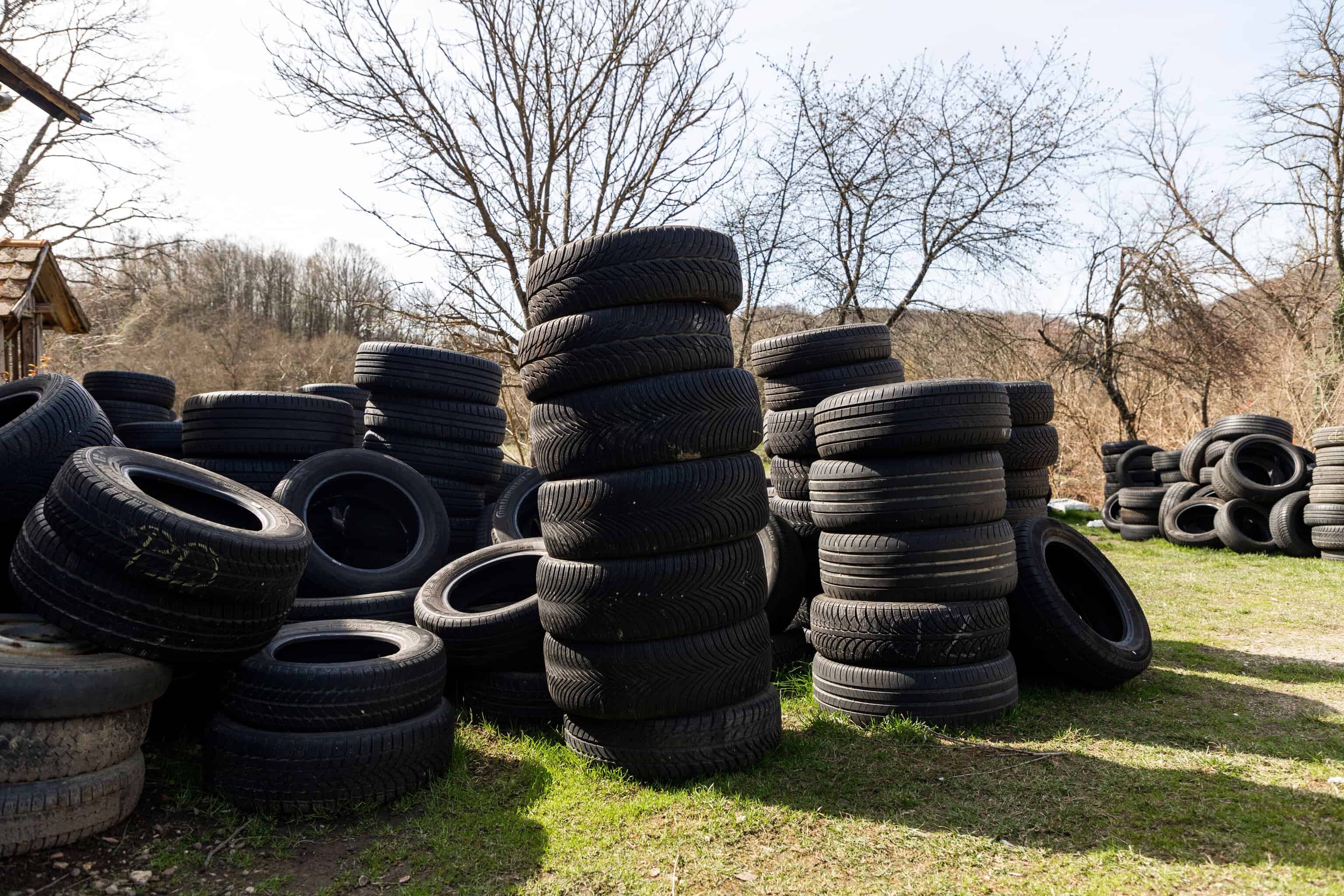
Batteries and tires are prohibited in a roll-off and go to dedicated recycling channels instead. Car batteries are commonly taken back by auto parts retailers and scrap metal yards, sometimes with a small core credit. Tires are usually accepted, often for a per-tire fee, by tire shops and county transfer stations. Call ahead to confirm current acceptance, fees, and hours, since these differ by site.
Household batteries are worth a separate mention. Standard alkaline batteries are handled differently from rechargeable and lithium batteries, and the lithium type in particular is a fire risk if it is crushed in a truck or landfill. Many hardware stores and recycling points take these back, but the accepted types vary, so check with the drop-off location first. The same goes for fluorescent tubes and CFL bulbs, which contain a small amount of mercury and should not go loose in a container.
Concrete, appliances, and other special cases
A couple of common items are prohibited or restricted for reasons that have nothing to do with chemistry. Concrete, dirt, and bricks are banned because of weight, not hazard, and they need a dedicated fill or recycling site rather than a roll-off. We cover that route in our guide to concrete, dirt, and brick disposal.
Appliances are a different case again. They are accepted in the dumpster for a surcharge of $75 per item, but refrigerant units like fridges, freezers, and air conditioners have their own handling considerations, so confirm those at booking. Full details are in our appliance disposal guide. The point is simple: not every restricted item is hazardous, and each one has its own correct destination.
What your dumpster handles best
Once the hazardous items are set aside, a roll-off does exactly what it is built for. A 3D Solutions dumpster takes household junk, furniture, construction and roofing debris, mattresses, and electronics, loaded by hand. The 20 yard container measures 22 by 8 by 4 feet, holds up to 8 pickup truck loads, and starts at a flat rate of $335. The 30 yard measures 22 by 8 by 6 feet, holds up to 12 pickup truck loads, and starts at $355. Both include a 14 day rental period, with extra days at $5 per day.
That flat-rate structure makes planning a cleanout straightforward. You know the base cost up front, and the only variable is weight, billed at $43 per ton for anything over what the truck can carry within limits. A clean load, with hazardous material pulled out and sent to the right place, keeps the whole job simple and avoids the charges that come from a rejected haul.
Key Takeaways
- Paint, stains, solvents, motor oil, pesticides, pool chemicals, and cleaners are all prohibited in a roll-off.
- Batteries and tires are banned too, and go to retail take-back or county recycling instead.
- Oil-based paint is always hazardous; dried latex may be handled differently, but only if your local program allows it.
- Lithium and rechargeable batteries are a fire risk and need dedicated recycling, not the trash.
- Concrete, dirt, and bricks are banned for weight, and appliances ride along for a $75 per item surcharge.
- Every county program differs, so confirm current drop-off sites, hours, and fees with your local authority.
Household Hazardous Waste FAQs
Can I put paint in a dumpster?
No. Paint is prohibited as hazardous material, whether it is oil based or latex. Take leftover paint to your county household hazardous waste program, and confirm the current drop-off details locally before you go.
What happens if hazardous waste ends up in my roll-off?
If a load contains prohibited hazardous material, the truck may not be able to haul it. You would need to remove those items yourself, and extra charges can apply. Sort hazardous items out before delivery to avoid this.
Where do old car batteries go in the Cedar Valley?
Car batteries go to battery recycling channels, not a dumpster. Auto parts stores and scrap metal yards commonly accept them, sometimes with a small core credit. Call ahead to confirm current acceptance and any fees.
Can I throw away tires with a dumpster rental?
No. Tires are prohibited in a roll-off. Tire retailers and county transfer stations usually take them, often for a per-tire fee. Confirm hours and pricing with the site before you drop them off.
Does 3D Solutions accept appliances?
Yes. Appliances are accepted for a surcharge of $75 per item. Refrigerant units like fridges, freezers, and air conditioners are a special case, so confirm handling when you book rather than assuming.
Is motor oil or other liquid allowed in the container?
No. Liquids are prohibited entirely, including motor oil, solvents, and other automotive fluids. These belong at a county hazardous waste or used-oil collection point. Check the current program details with your local authority.
What can I actually put in the dumpster?
A 3D Solutions roll-off takes household junk, furniture, construction debris, roofing materials, mattresses, and electronics. Load by hand only. Keep hazardous items, concrete, dirt, and bricks out, since those follow separate disposal rules.
Not sure whether something in your pile can ride along? Get in touch with our team before delivery and we will tell you straight. Reach 3D Solutions at (319) 406-0043 or [email protected], and we will help you plan a clean load for your Cedar Valley project.