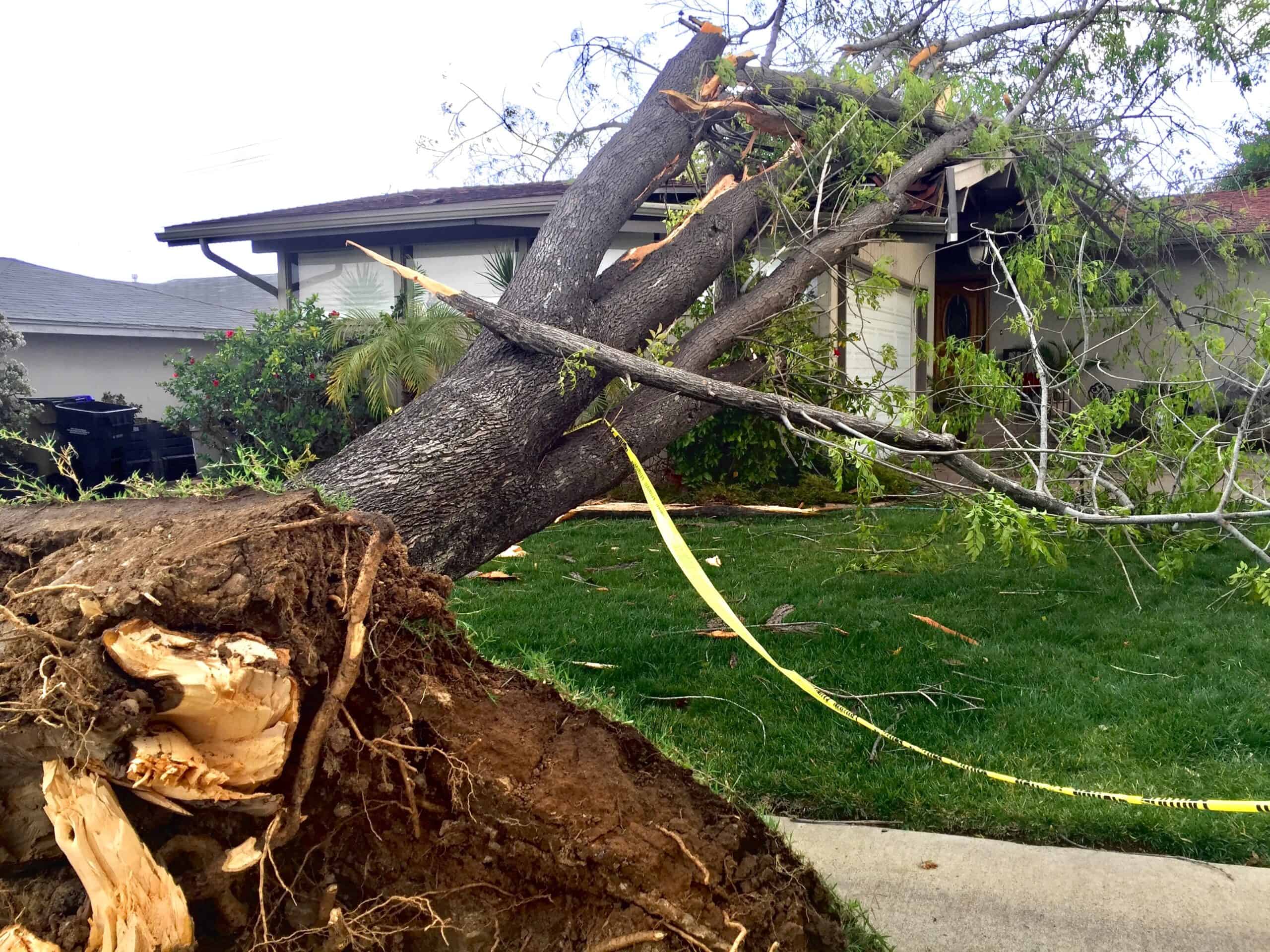
Storm debris cleanup in the Cedar Valley starts the moment the wind dies down and you walk out to a yard full of branches, fencing, and torn-off shingles. Iowa sees its share of severe weather, from summer derechos to straight-line windstorms, and the mess they leave behind is more than a few trash bags can handle. 3D Solutions is based in Denver, Iowa, and runs roll-off dumpsters out of a Waterloo yard, so we can drop a container where you need it and haul the wreckage away. You can reserve a roll-off online or call once you have sized up the damage.
This guide covers what to do first, what storm debris a dumpster can take, which size fits the job, and the local details that come up after a big blow. Every price and dimension here is our real, current figure, so you can plan the cleanup without guesswork.
What to Do First After a Storm
Before you touch anything, make sure the site is safe: watch for downed power lines, hanging limbs, and damaged structures, and stay clear until the utility clears them. Once it is safe, photograph the damage for your insurance company before you start hauling, since those photos support your claim. Then sort the debris into piles so the cleanup moves quickly when the dumpster arrives.
Separating debris matters because not everything can go in the same place. Branches, lumber, fencing, and building materials are dumpster-friendly, while a few heavy or hazardous items are not. A little sorting up front keeps the container loading smooth and avoids a rejected load later.
What Storm Debris Can Go in a Dumpster?
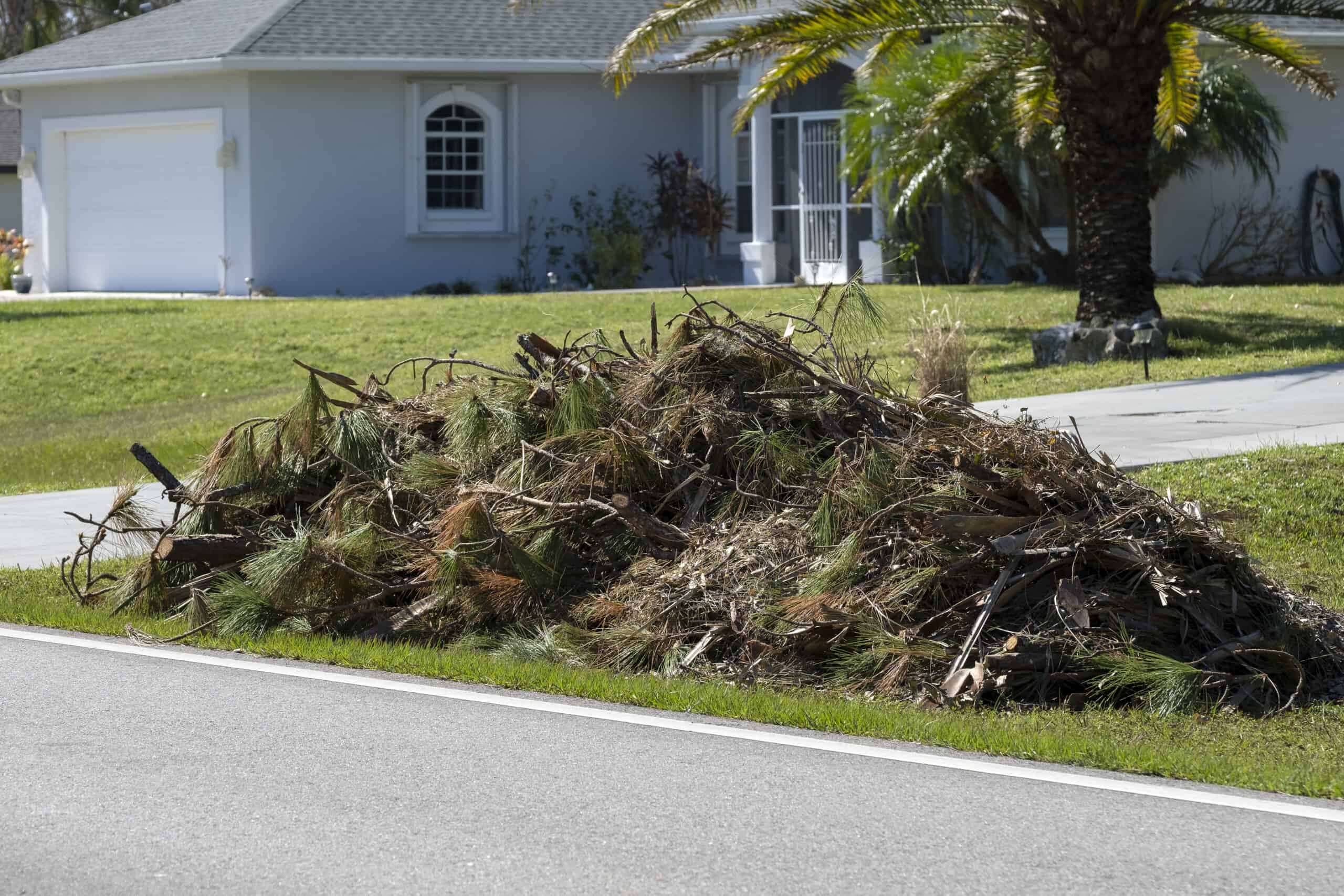
Most storm debris goes straight into a roll-off dumpster: tree limbs and branches, broken fencing, lumber, torn-off shingles, siding, and drywall from damaged buildings. What cannot go in are the same materials we never accept, namely liquids, concrete, dirt, and bricks, plus hazardous items like chemicals, batteries, tires, and paint. The table below sorts the common storm mess into what a roll-off will and will not take.
| Storm debris | Roll-off dumpster? |
|---|---|
| Tree limbs and branches | Yes |
| Fencing and lumber | Yes |
| Shingles and siding | Yes |
| Drywall and insulation | Yes |
| Concrete, brick, and dirt | No, never allowed |
| Chemicals, paint, and batteries | No, hazardous |
Which Dumpster Size for Storm Cleanup?
Most storm cleanups call for a 30-yard roll-off, which holds up to 12 pickup truck loads and easily swallows bulky branches and building debris. If the damage is mostly yard waste from a single tree, a 20-yard, holding up to 8 loads, may be enough. When in doubt after a big storm, size up, because storm debris is bulkier than it looks once you pile it in.
| Size | Dimensions (L x W x H) | Holds | Flat rate |
|---|---|---|---|
| 20-yard | 22 ft x 8 ft x 4 ft | Up to 8 pickup loads | From $335 |
| 30-yard | 22 ft x 8 ft x 6 ft | Up to 12 pickup loads | From $355 |
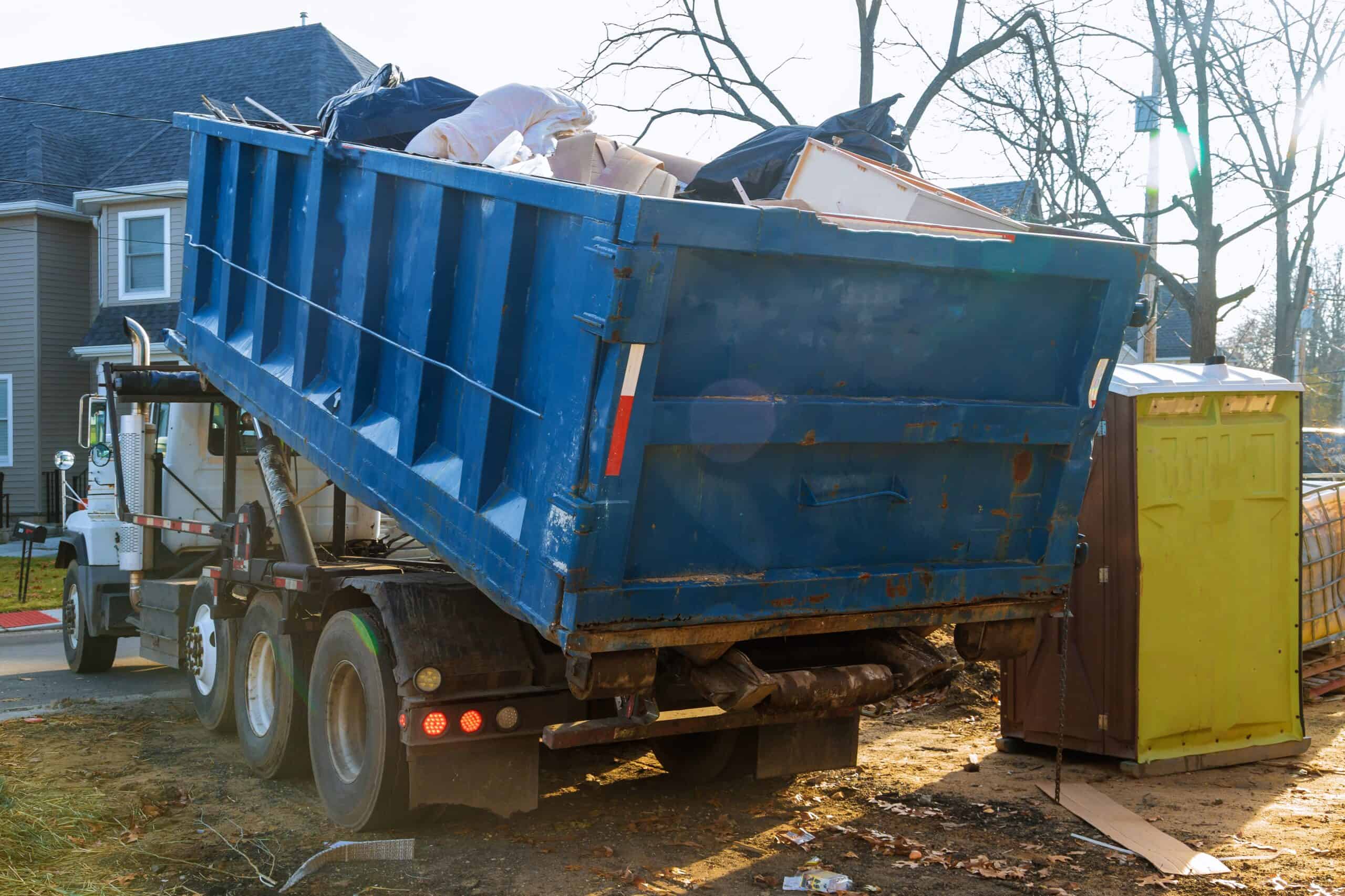
Both sizes include 14 days on site, so you have time to work through the cleanup at a reasonable pace. If a downed tree is mostly limbs and leaves, our yard waste dumpster guide covers how green debris fills a container. For heavier mixed wreckage, step up to a 30-yard dumpster rental.
How Fast Can You Get a Dumpster After a Storm?
Delivery is typically 24 to 48 hours, and same-day service is often available depending on demand and where you are. The catch after a widespread storm is that everyone needs a container at once, so demand spikes and the earliest slots fill fast. Booking as soon as the site is safe gives you the best shot at a quick drop-off.
You do not need to be home for delivery. As long as the placement area is clear and you have left instructions, our driver sets the container where you want it, on protective boards, inside our 8 AM to 8 PM window.
Plan for a clear placement space at least 15 feet long by 10 feet wide on a surface that can bear the weight. After a storm, driveways and yards can be blocked by downed limbs, so clearing a path for the truck ahead of time keeps your delivery on schedule. If your usual spot is unusable, let us know and we can work out an alternative.
Storm Debris and Local Rules
After a major storm, cleanup rules can shift, so check locally before you assume anything. Some towns run temporary curbside brush pickup after a declared storm, while others expect you to haul debris yourself. Right-of-way and permit rules for a street-placed dumpster also vary by city. The EPA offers practical guidance on dealing with debris and damaged buildings that is worth a read before a large cleanup.
Local note: Storm cleanup programs and debris drop-off sites vary across Black Hawk and Bremer counties and can change after a declared disaster. Confirm current pickup schedules and any right-of-way rules with your city before you place a dumpster on the street.
How to Load Storm Debris Efficiently
Load the heavy, flat items first, then fill around them with branches and lighter debris to use the full volume. Storm debris is awkward and full of air pockets, so break down long limbs and stack fencing and lumber flat instead of tossing them in whole. Keeping the load level and under the fill line means one container does the work of many loose piles.
Loading is by hand only, not with a skid steer or tractor bucket, and negligent damage to the container can make you liable, so keep machinery out of it. Distribute the weight evenly rather than piling everything at one end. If the debris outgrows the container, we offer swap-outs during the rental, so a bigger-than-expected cleanup never has to stall.
Why a Roll-Off Beats a Curbside Brush Pile
A roll-off dumpster clears storm debris in one haul instead of leaving it curbside for weeks. Brush piles at the street depend on a city pickup schedule that can stretch out for a long time after a widespread storm, and a wet, sprawling pile is a hazard for kids, pets, and passing cars. A container keeps the debris contained, off the ground, and gone on your timeline.
It also keeps mixed wreckage legal and tidy. When a storm tears up fencing, shingles, and a tree all at once, the debris is a mix that curbside brush programs usually will not take. A roll-off accepts that mix in a single container, so you are not sorting the same pile three times for three different pickups. For a fast, self-directed cleanup, that is the difference between finished this week and waiting on a queue.
Key Takeaways
- Make the site safe and photograph damage for insurance before you start any storm debris cleanup.
- Branches, fencing, lumber, shingles, siding, and drywall all go in a roll-off; concrete, dirt, and hazardous items do not.
- A 30-yard roll-off (up to 12 loads, from 355 dollars) suits most storm jobs; a 20-yard (up to 8 loads, from 335 dollars) fits smaller ones.
- Delivery is usually 24 to 48 hours, but demand spikes after a widespread storm, so book early.
- Local pickup programs and street-placement permits vary by city and can change after a declared disaster.
Storm Debris Cleanup FAQs
Can I put storm debris in a roll-off dumpster?
Yes. Tree limbs, branches, fencing, lumber, shingles, siding, drywall, and other storm wreckage all go in a roll-off. Concrete, dirt, bricks, and hazardous items are the exceptions and must stay out.
What size dumpster do I need for storm cleanup?
Most storm cleanups call for a 30-yard roll-off, which holds up to 12 pickup loads and handles bulky branches and building debris. Smaller yard-only cleanups may fit a 20-yard, which holds up to 8.
How fast can you deliver a dumpster after a storm?
Delivery is usually 24 to 48 hours, and same-day service is often available depending on demand. After a widespread storm, demand can spike, so it helps to book as early as you can.
How much does a storm cleanup dumpster cost?
A 20-yard roll-off starts at a flat 335 dollars and a 30-yard at 355 dollars, each with 14 days included. Extra days are 5 dollars, and weight over your haul is 43 dollars per ton.
Do I need a permit to place a dumpster after a storm?
On your own driveway or private property you typically need no permit. If it must sit on a public street, confirm the current rules with your city, since storm-related right-of-way policies vary by town.
Can I mix tree branches with other debris?
Yes, you can mix branches with fencing, lumber, and building debris in the same roll-off. Just keep concrete, dirt, bricks, and hazardous items out, since those are never allowed.
What should I do with damaged appliances or chemicals?
Appliances go in the dumpster but carry a 75 dollar surcharge each, and refrigerant units should be confirmed at booking. Chemicals, paint, and batteries are hazardous and cannot go in the container at all.
Cleaning up after a Cedar Valley storm? Contact 3D Solutions and we will get a roll-off to your property fast. Reach us at (319) 406-0043 or [email protected], and check our service area to confirm we cover your town.