Yard waste piles up quickly in Iowa, especially after spring pruning, summer landscaping, and fall leaf cleanup. The best yard waste dumpster is usually not the biggest one by default. It is the container that fits your debris volume, your driveway, and Iowa’s disposal rules.
In Denver, Waterloo, Cedar Falls, Waverly, and nearby communities, the most common mistake is treating yard waste like mixed junk. In Iowa, a yard waste dumpster can be a smart collection tool, but the real answer depends on what is in the load and where that load will go.
Do you need a dumpster for yard waste in Iowa?
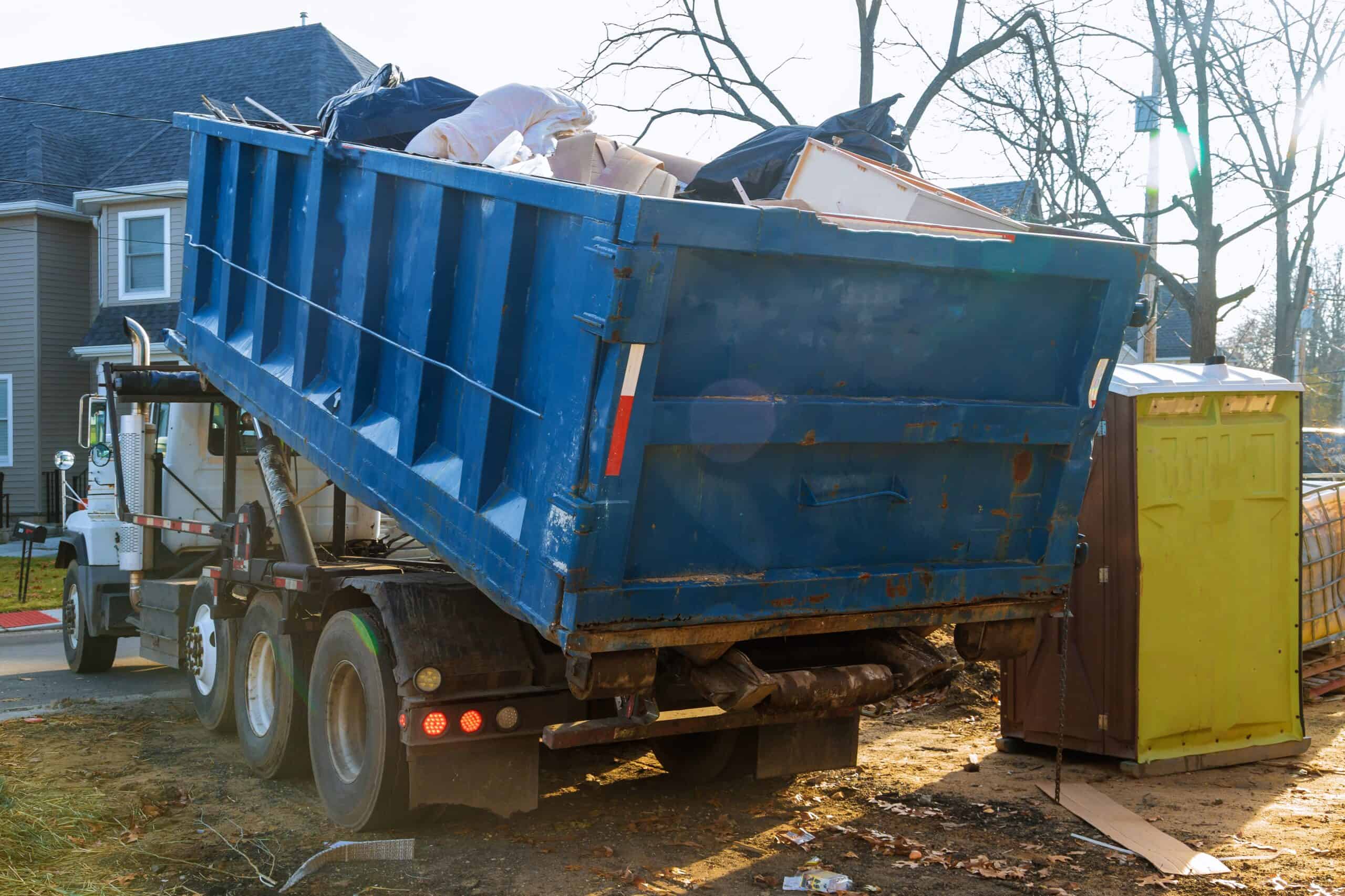
Yes. In Denver, Iowa and Waterloo, a roll-off dumpster is often the most efficient way to collect large volumes of leaves, brush, and storm debris, but the load still needs an Iowa-compliant disposal path.
A dumpster makes sense when the cleanup will last several days, the debris is too much for curbside pickup, or multiple people are working at once. That is common after wind damage, fence line clearing, tree trimming, or a full landscape reset. A small backyard compost system can handle grass clippings and leaves, but it usually cannot absorb a whole-property cleanup in one weekend.
“3D Solutions offers 20-yard and 30-yard roll-off dumpsters with same-day delivery available and up to 14 days included.”
One misconception shows up often: renting a yard waste dumpster does not override local disposal rules. In Iowa, yard waste is not supposed to be landfilled, so a dumpster is best viewed as a staging and hauling solution, not a license to throw all outdoor debris into general waste.
Key Takeaways
- Iowa banned yard waste from landfills in 1991, so your hauler and end facility, not just the dumpster size, determine whether a load is compliant.
- Density beats lot size when picking a container. Airy brush and trimmings point to a 30-yard, while compact or damp debris is safer in a 20-yard.
- Published Cedar Valley pricing starts at $335 for a 20-yard and $355 for a 30-yard, with a $5-per-day extension and a $43-per-ton overage charge to plan around.
- Composting is the better end destination for clean trimmings. EPA and USDA classify yard waste as organics, and diverting it returns nutrients and carbon to soil.
- Contamination raises cost and risk. Mixing soil, treated wood, or household trash into the load can change the disposal path and the final bill.
Is a 20-yard or 30-yard dumpster better for yard waste?
A 20-yard dumpster is usually better for standard home cleanups, while a 30-yard dumpster is better for bulky brush and tree trimmings. In Cedar Falls and Waverly, the right choice depends more on density and volume than on lot size.
A 20-yard roll-off is the safer default when the material may get heavy. Wet branches, dense shrubs, dirt stuck to root balls, and bagged yard debris can add weight faster than most people expect. One published 20-yard spec from 3D Solutions lists dimensions of 22′ x 7′ x 4.5′, which fits many residential driveways and still holds a substantial cleanup.
A 30-yard dumpster earns its keep when the material is light but takes up space. Think hedge trimmings, brush piles, storm branches, and seasonal property maintenance from acreage lots outside Denver or along rural Bremer County roads. Pro tip: do not size a yard waste dumpster by square footage of the property alone. Size it by how much air the debris takes up after cutting and stacking.
What are the best yard waste dumpster options in Denver, Waterloo, Cedar Falls, and Waverly?
The best local options are a 20-yard roll-off, a 30-yard roll-off, or a compost-focused drop-off program. The right pick depends on whether you need on-site loading, fast delivery, or direct organics diversion.
If the job needs a container on site, a roll-off usually wins on convenience. If the material is clean leaves and grass with no mixed trash, a compost site or municipal yard waste program may be the cleaner fit.
- 3D Solutions 20-yard roll-off: A practical choice for residential yard cleanups, moderate brush removal, and mixed outdoor projects in Denver and the Cedar Valley. Published pricing starts at $335, with up to 14 days included.
- 3D Solutions 30-yard roll-off: Better for bulky seasonal cleanups, tree-trimming projects, and larger rural properties where debris volume is high. Published pricing starts at $355, with up to 14 days included.
- Municipal or private compost drop-off: Often the best option when the load is clean yard trimmings only and you do not need a dumpster sitting on site.
If your job includes repeated loading over several days, the roll-off usually saves time. If your debris is already piled on a trailer and is mostly grass, leaves, and brush, direct compost drop-off may cost less.
How do you choose the right yard waste dumpster size step by step?
Start with material type, then estimate volume, then check site access. In Black Hawk County and Bremer County, the best size choice is usually obvious once those three variables are clear.
Step 1 is to sort the debris by density. Leaves and brush are bulky but relatively light. Stumps, sod, and dirt are not. If the pile looks large but airy, a 30-yard may be right. If it is compact and damp, a 20-yard can be the safer call.
Step 2 is to picture how the container will actually fill. Long branches waste space unless they are cut down. If you cut brush into shorter lengths and stack it flat, you may fit the job into a smaller size. That is a simple way to control cost without under-ordering.
Step 3 is to check the site. If your driveway is narrow, your alley access is limited, or the container needs to sit close to a garage, a 20-yard often fits more comfortably. A common mistake is assuming the largest dumpster is always the best value. It is only the best value if you can place it safely and use the space efficiently.
How much does a yard waste dumpster cost in the Cedar Valley?
In the Cedar Valley, published starting prices from 3D Solutions are $335 for a 20-yard dumpster and $355 for a 30-yard dumpster. Both sizes include up to 14 days, which is a strong fit for weekend and multi-week yard projects.
That starting price is only part of the cost picture. One published 20-yard product page lists a $5-per-day rental extension and a $43.00-per-ton extra weight charge. That matters because yard waste can swing from light to heavy fast after rain, especially when loads include branches, soil, or bagged clippings.
“3D Solutions lists a 20-yard dumpster starting at $335 and a 30-yard dumpster starting at $355, both with up to 14 days included.”
If you are comparing quotes, ask what happens if the load is overweight, the cleanup runs long, or the debris is mixed with non-organic material. Flat-rate pricing is useful, but only if you understand where the exceptions begin.
- Material type: Wet brush, sod, and stumps raise weight faster than dry leaves.
- Rental time: A longer project may trigger extension fees after the included period.
- Contamination: Mixed trash can change the disposal path and the final bill.
- Placement constraints: A tight site can affect what size is practical, even if the rate looks close.
Should you compost yard trimmings or rent a dumpster?
For clean yard trimmings, composting is usually the better end destination. For large on-site cleanup, a dumpster is often the better collection method. In Iowa, those two choices often work together.
The Iowa DNR says yard waste has been prohibited from landfills since 1991. That is the rule that should shape the whole plan. EPA materials also treat yard trimmings as part of the organics stream, and USDA says food scraps and yard waste make up 20% to 30% of what Americans throw away. EPA adds that when yard trimmings, wood, and paper products are counted with food, those organic materials make up 51.4% of municipal solid waste in landfills.
If your material is clean leaves, grass clippings, and brush, composting or community organics diversion usually makes the most environmental and regulatory sense. If your job is a large property cleanup in Denver, Cedar Falls, or rural Waverly, the practical move may be to rent a dumpster for collection while confirming the load goes to an approved composting or yard-waste handling outlet. Pro tip: “yard waste dumpster” describes the use case, not a guarantee that every outdoor material belongs in the load.
How do you load a yard waste dumpster safely and efficiently?
Cut brush short, load flat, and keep contamination out. In Waterloo and Cedar Falls, the most efficient yard waste dumpster loads are built, not tossed.
Step 1 is to cut long limbs into shorter sections. That reduces dead air and keeps branches from bridging across the top of the container. Step 2 is to place the heaviest or most rigid material on the bottom, then layer lighter brush and bagged debris above it. Step 3 is to keep everything below the top rail so pickup is safe and legal.
Another useful rule is to separate organics from everything else. A pile that starts as clean yard trimmings can become a mixed waste problem if it also includes fencing, planters, broken patio items, or old trash bags from the shed. If that happens, the disposal path gets harder and the cost risk usually goes up.
What can and cannot go into a yard waste dumpster in Iowa?
Clean yard trimmings are usually the target material, but acceptance depends on the hauler and the receiving facility. In Iowa, the safe approach is to confirm the exact load before delivery.
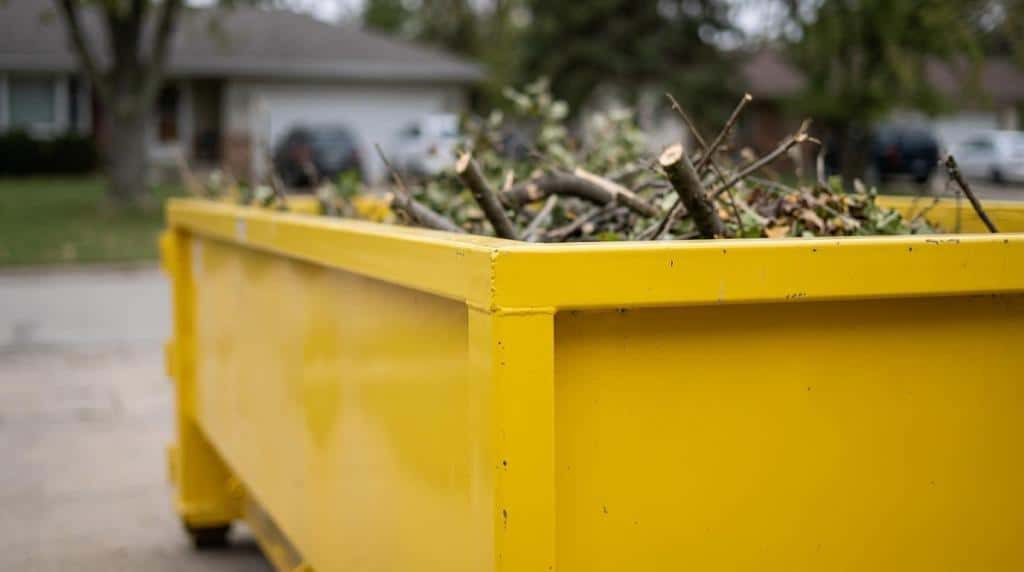
A true yard waste load is usually made up of leaves, grass, brush, and branches. The problems start when people mix in heavy soil, construction debris, or plastic-bagged garbage and still assume it counts as organics. If the end destination is composting, contamination matters even more.
- Usually accepted clean yard waste: Leaves, grass clippings, hedge trimmings, brush, and small branches.
- Often restricted or needs confirmation: Stumps, root balls, sod, dirt, and treated or painted wood.
- Do not assume it belongs: Household trash, shingles, concrete, metal, plastic planters, or mixed garage debris.
One more misconception: “outdoor debris” is not the same thing as “yard waste.” If the material came from the yard but is not compostable, the disposal plan may need to change.
How do you prepare for same-day yard waste dumpster delivery?
Pick the placement area, clear access, and stage the debris before the truck arrives. In Denver, Iowa and nearby towns, same-day delivery works best when the site is ready before booking.
Choose a flat spot with enough room for the container and the truck approach. Clear parked vehicles, low branches, and anything fragile near the drop zone. If the cleanup is on a residential driveway, it helps to pre-stack brush near one side so loading starts fast once the dumpster is placed.
“3D Solutions offers same-day delivery and uses protective boards to safeguard driveways and property during roll-off placement.”
A good local habit is to think about neighborhood layout. Older Waterloo and Cedar Falls streets can have tighter driveways and more overhead obstructions than newer subdivisions or rural properties. If access is limited, say so up front. That one detail can determine whether a 20-yard or 30-yard container is the smarter call.
When is a yard waste dumpster the wrong choice?
A yard waste dumpster is the wrong choice when the cleanup is very small, the material is already trailer-ready, or the load is mostly heavy non-organic material. In those cases, direct hauling or another service may work better.
If you have only a few bags of leaves or routine grass clippings, backyard composting or local yard waste collection is usually the better move. If the material is a single pickup-load of clean brush, driving it directly to a compost site may cost less than renting a roll-off.
A dumpster may also be the wrong fit if the pile is mostly dirt, concrete-edged landscaping, or large stumps. Those materials can create weight issues and may require a different container plan. If you are unsure, the best next step is simple: describe the exact debris, the site layout, and the timeline to a local provider that serves Denver, Waterloo, Cedar Falls, Waverly, and the surrounding Cedar Valley. That usually gets you to the right container, or to the better alternative, before the cleanup starts.
Yard Waste Dumpster Questions Answered
Can I put yard waste in plastic bags inside the dumpster?
It depends on where the load ends up. Many composting and organics facilities reject plastic bags because they contaminate the finished product, so loose loading is often preferred. If you bag for easier hauling, ask whether the bags need to be emptied on site or removed before drop-off. Confirming this before delivery saves a sorting headache later.
Do I need a permit to place a yard waste dumpster on the street?
Possibly. Driveway placement usually does not require one, but containers set on a public street or right-of-way can fall under local rules that vary by city and county. Check with your municipality or the relevant local authority in Denver, Waterloo, Cedar Falls, or Waverly before booking if street placement is your only option.
Can the dumpster sit on my lawn instead of the driveway?
Grass placement is sometimes possible, but soft or wet ground can rut under the weight of a loaded container, and recovery can be tricky if the soil shifts. A firm, level surface holds up better. If the lawn is your only option, mention it when you book so the right placement plan can be worked out ahead of time.
Is there a best time of year to rent for yard cleanup?
Spring and fall tend to be the busiest stretches, since pruning, planting, and leaf season drive the most debris. Booking early during those windows helps you lock in availability, especially when storms create sudden demand. Summer and late winter are often easier to schedule on short notice.
Do I need to be home for delivery and pickup?
Usually not, as long as the drop zone is clear and the placement spot is communicated in advance. Leaving access open and marking where you want the container helps the crew place it correctly the first time. Pickup also goes faster when the area around the dumpster stays clear of vehicles and stacked debris.
Can a landscaping company use the same dumpster for a client’s yard waste?
Yes, contractors and landscapers often rent roll-offs for client projects. The same load rules apply: keep the material to clean organics and avoid mixing in non-compostable debris. If multiple job sites are involved, confirm the container stays at one address for the rental period rather than being moved between properties.