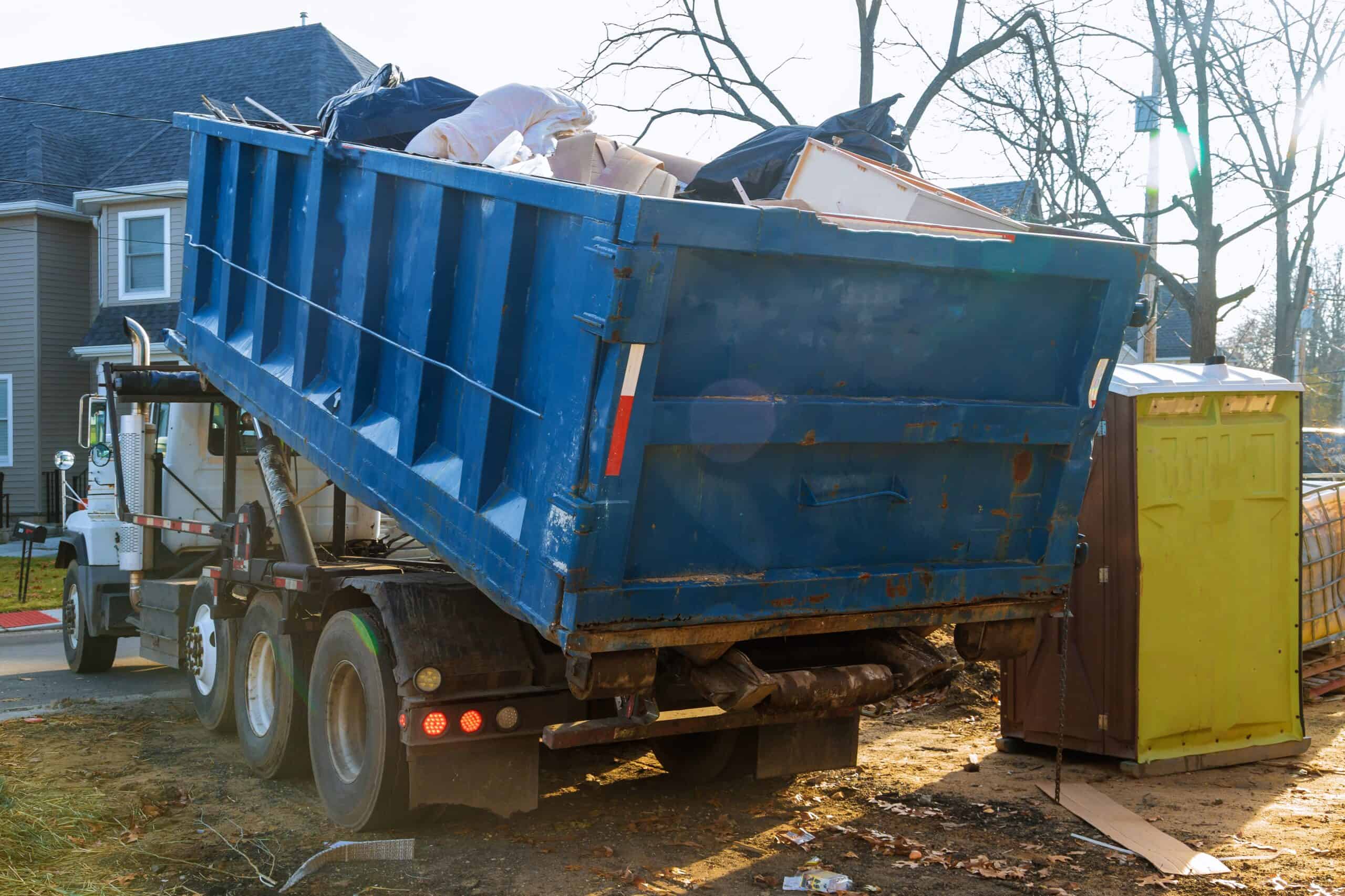
When people picture a 30 yard dumpster, they often think of a giant metal box and not much else. The better question is how that space translates into a real cleanup, remodel, roofing job, or property turnover in places like Denver, Waterloo, Cedar Falls, and Waverly.
A 30 yard dumpster is built for projects that create a lot of debris but still need one container that fits on a typical residential or commercial site. It is a popular choice across the Cedar Valley because it strikes a useful middle ground: large enough for major work, practical enough for a driveway or jobsite staging area, and often more cost-effective than renting multiple smaller dumpsters.
30 yard dumpster dimensions and real-world capacity
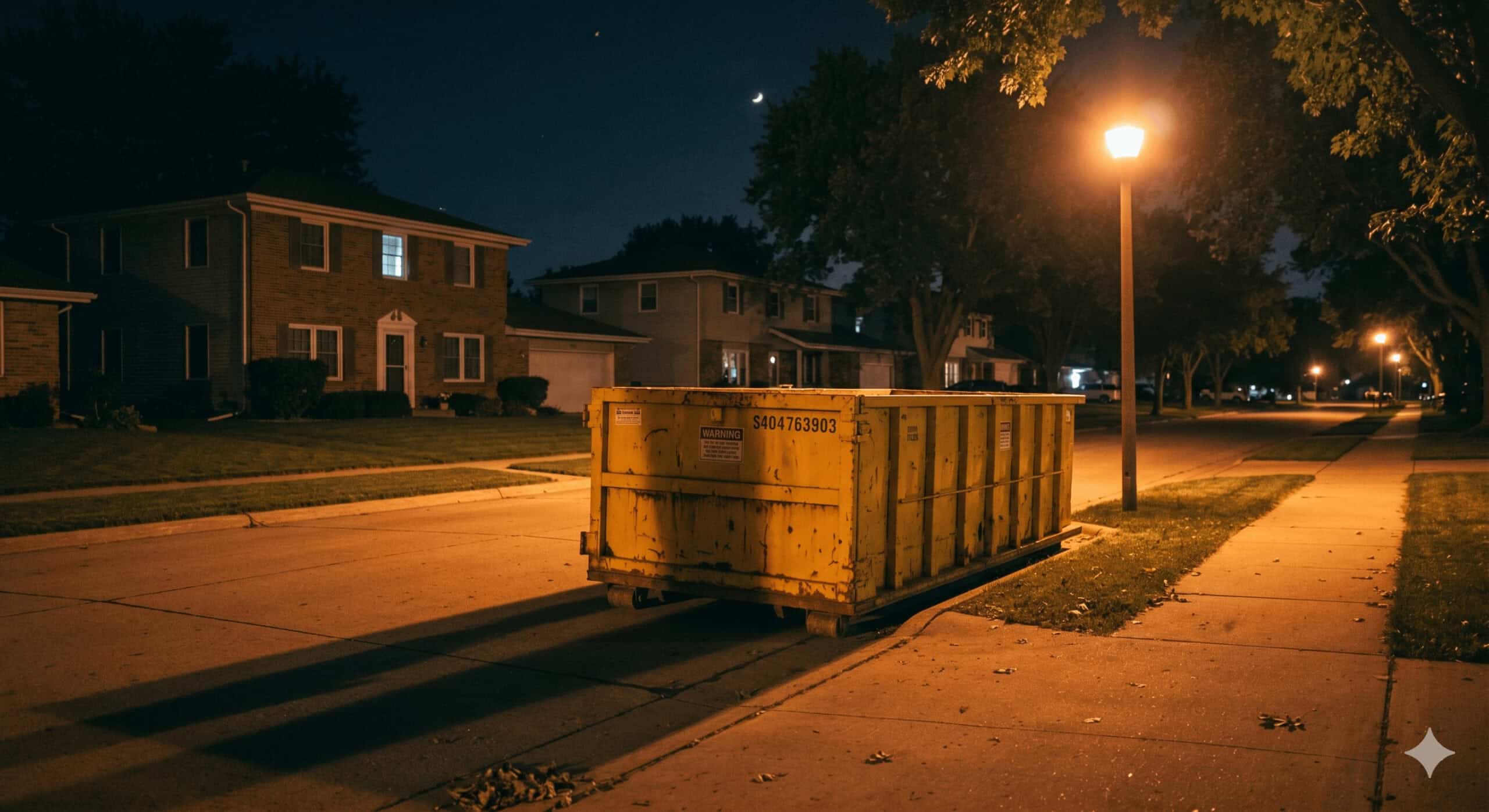
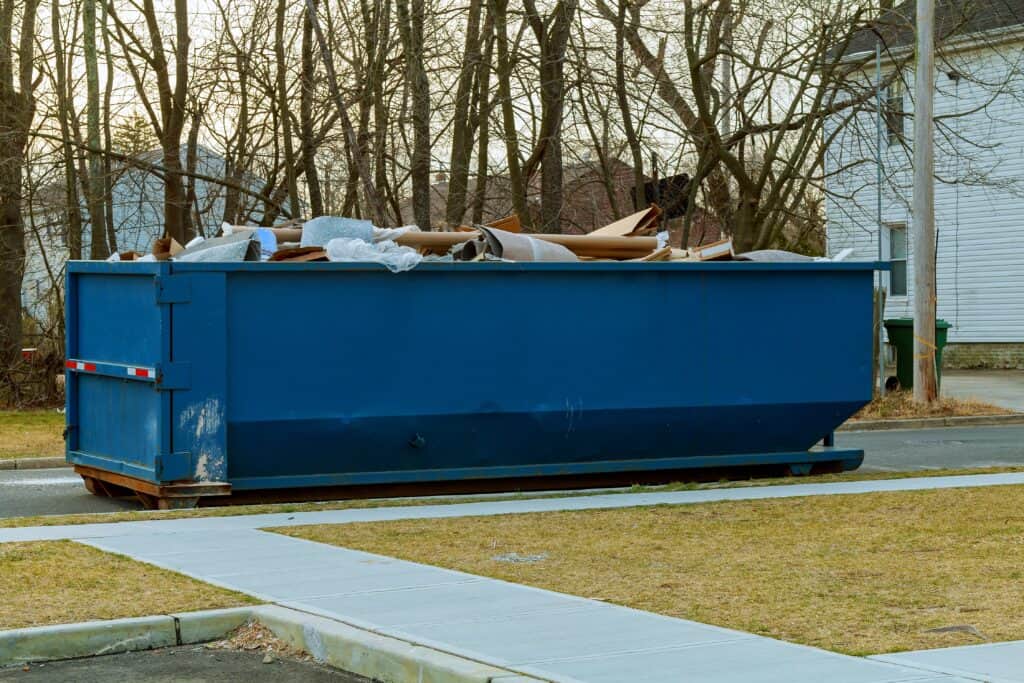
A 30 yard dumpster usually measures about 22 feet long, 8 feet wide, and 6 feet high. That adds up to 30 cubic yards, or roughly 810 cubic feet of debris capacity.
Those numbers are helpful, but most people want a simpler picture. In day-to-day terms, a 30 yard dumpster often holds about 9 pickup truck loads of waste, depending on how materials are stacked and how dense they are.
| Measure | Typical 30 Yard Dumpster Capacity | What That Means on a Job |
|---|---|---|
| Length | 22 feet | Needs a clear, accessible drop area |
| Width | 8 feet | Standard roll-off footprint |
| Height | 6 feet | Tall enough for bulky debris |
| Volume | 30 cubic yards | Strong fit for major cleanouts and remodels |
| Pickup load equivalent | About 9 loads | Fewer landfill trips and less downtime |
| Best use | Large mixed debris jobs | Renovations, roofing, estate cleanouts, commercial work |
Volume, though, is only half the story.
A 30 yard dumpster can hold a lot, but heavy materials fill the weight allowance long before the box looks full. Drywall, shingles, concrete, dirt, and brick all change the equation fast. That is why the smartest rental decision is not just about size. It is also about what you plan to throw away.
Common 30 yard dumpster projects in Denver, Iowa and the Cedar Valley
Around Bremer County and Black Hawk County, this size is often rented for projects that create steady debris over several days instead of one quick burst of trash.
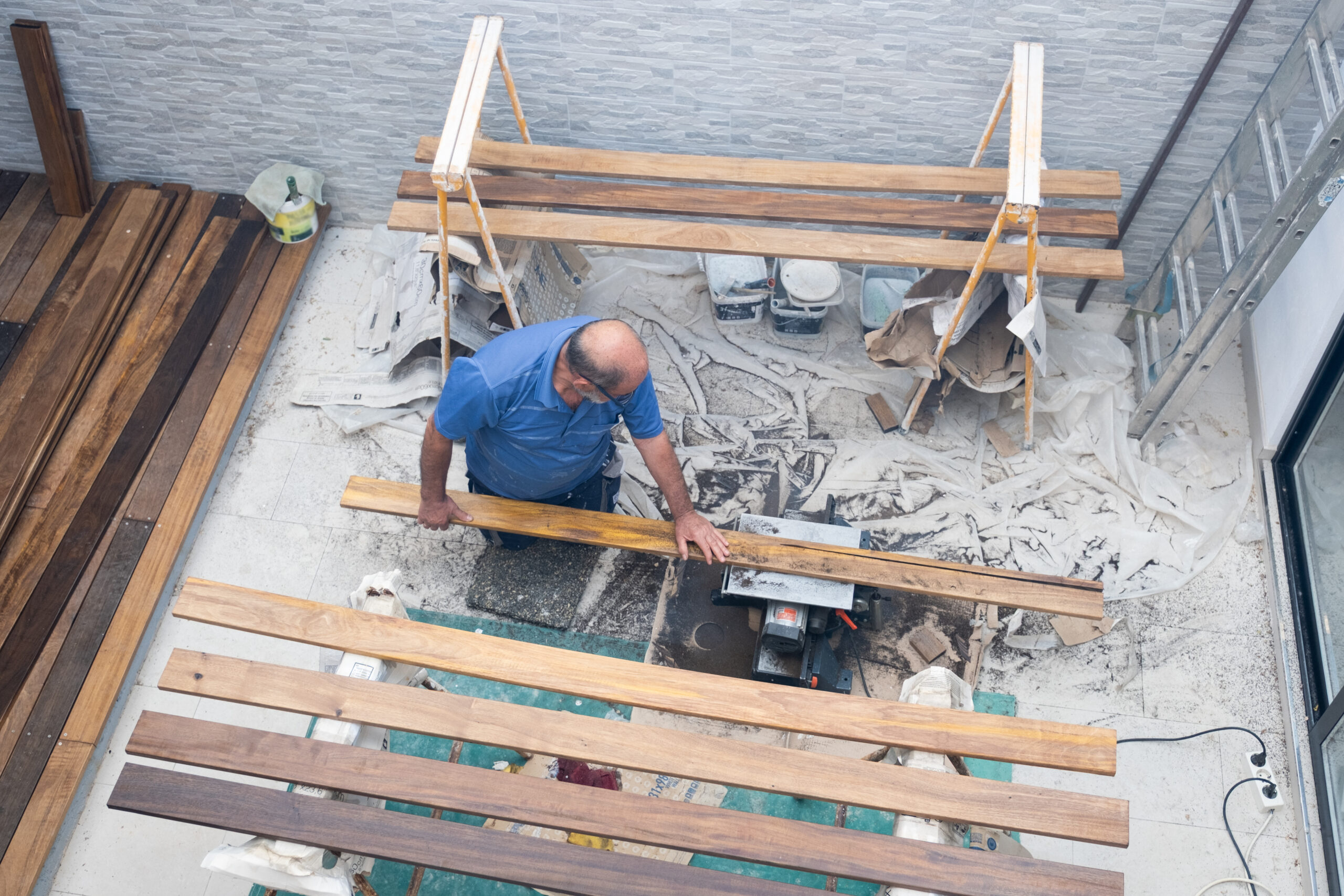
Think about a full-house cleanout in Denver, a multi-room remodel in Cedar Falls, a roofing tear-off in Waterloo, or a property refresh in Waverly before new tenants move in. These are the jobs where smaller containers can slow things down. Crews run out of room, piles build up, and extra hauls start eating into the schedule.
A 30 yard dumpster is commonly a strong fit for:
- whole-home cleanouts
- estate cleanups
- large basement, garage, and attic cleanups
- major kitchen and bathroom remodels
- roofing projects
- deck removal
- siding replacement
- office and retail renovations
Contractors also like the flexibility. One container can take mixed jobsite debris instead of requiring constant sorting on site, as long as the materials are allowed and the load stays within safety guidelines.
Materials that usually fit in a 30 yard dumpster
Most 30 yard dumpsters are intended for general non-hazardous waste. That covers a broad range of material from residential and commercial projects, which is why this size is so useful.
If your cleanup is happening in the Cedar Valley, a 30 yard dumpster will often accept the kinds of debris people actually generate on real jobs:
- Household junk: furniture, clothing, toys, boxed clutter, non-hazardous trash, and general cleanout debris
- Construction waste: wood, drywall, plaster, trim, flooring, cabinets, doors, insulation, and metal
- Roofing debris: shingles, felt, underlayment, flashing, and related tear-off material
- Yard waste: branches, brush, leaves, and other green waste, depending on the load and local disposal rules
- Bulky items: shelving, non-upholstered fixtures, fencing, playsets, and broken household pieces
- Mixed renovation debris: carpeting, tile, vanities, sinks, and old finish materials
That range is what makes a 30 yard dumpster a workhorse for both homeowners and jobsite crews.
It is also large enough for awkward items that waste space in smaller containers. Couches, old cabinets, long trim boards, broken deck lumber, and piles of packaging can all go in more efficiently when there is enough depth and wall height.
Heavy debris is a separate conversation.
Concrete, brick, asphalt, dirt, and tile may be accepted in some cases, but these materials can make a container overweight very quickly. If your job in Denver or Waterloo includes dense debris, call ahead before booking. A local company like 3D Solutions, Inc. can help match the material type to the right container and explain any weight-related pricing before delivery.
Materials that usually cannot go in a 30 yard dumpster
Even a large roll-off dumpster is not a catch-all. Landfill rules, transportation safety, and disposal regulations all matter.
Some items are usually prohibited outright, while others may require special handling or added disposal charges.
For materials that need separate handling, Iowa has a dedicated system. The Iowa DNR household hazardous materials program and its Regional Collection Centers exist specifically so paints, chemicals, batteries, and similar items stay out of the regular waste stream.
Before loading a questionable item, it is worth checking first instead of finding out at pickup.
Common restrictions include:
- Hazardous waste: paint, solvents, chemicals, pesticides, automotive fluids, and other toxic or flammable materials
- Batteries: car batteries, lithium batteries, and other rechargeable battery types
- Medical waste: sharps, pharmaceuticals, and contaminated materials
- Electronics: televisions, computers, monitors, and some printers, depending on local rules
- Appliances with refrigerant: refrigerators, freezers, and air conditioners unless properly processed
- Tires: often restricted or subject to added fees
- Fluorescent bulbs and certain fixtures: regulated because of the materials inside them
- Asbestos and contaminated material
- propane tanks
- liquid waste
Some appliances and mattresses may be allowed with added disposal fees, but policies vary by material and disposal outlet.
That is one reason local service matters. If you are working on a house in Denver, a rental property in Cedar Falls, or a commercial space in Waterloo, a quick call to 3D Solutions, Inc. can save time and prevent surprise charges.
30 yard dumpster weight limits and loading tips
A 30 yard dumpster has a large volume, but it does not have unlimited weight capacity. Many containers in this size range are suitable for several tons of debris, though the exact allowance depends on the rental terms, the truck, road regulations, and the disposal site.
Light, bulky material fills space fast. Dense material fills weight fast.
A house cleanout with furniture, cardboard, clothing, and general junk may use most of the container’s volume without getting close to the weight limit. A roofing job or masonry cleanup can do the opposite. You may hit the allowed weight while the dumpster still looks half full.
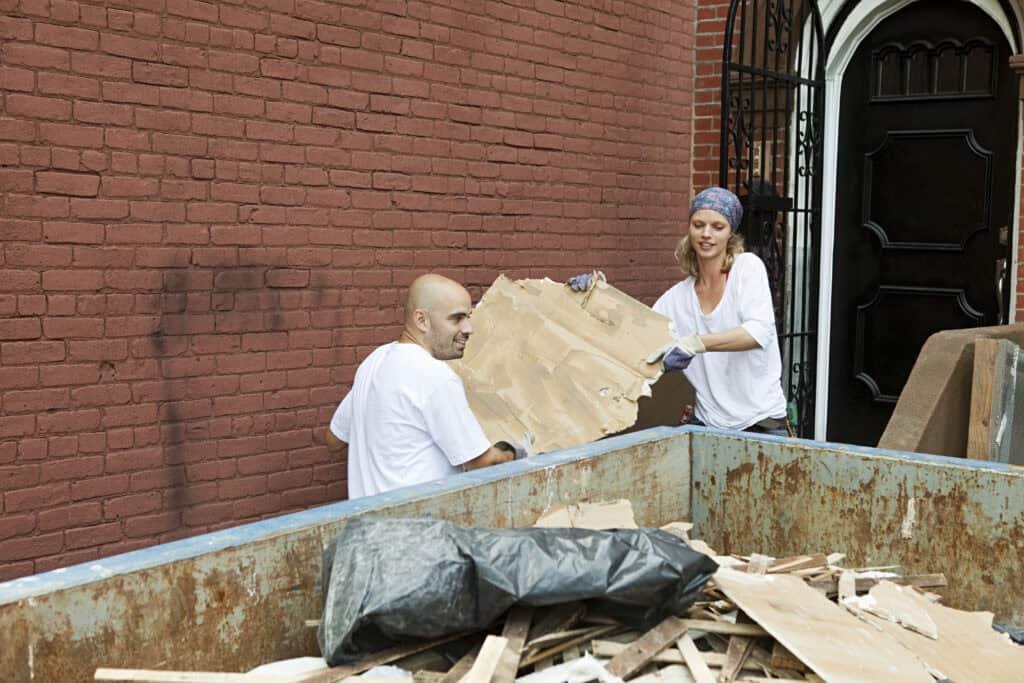
A few loading habits make a big difference:
- Load flat and level: keep debris below the top edge so the container can be hauled safely
- Spread heavy material out: avoid dumping all dense debris in one end
- Break down bulky items: cut long boards, collapse boxes, and dismantle furniture when possible
- Keep prohibited items out: one restricted item can create a pickup delay
- Ask before loading dirt or concrete: these materials often need a different plan
If you are not sure how your load will behave, describe the project in plain terms when you book. “Whole-house cleanout,” “roof tear-off,” or “kitchen remodel plus deck removal” gives the rental company a much clearer picture than “general trash.”
20 yard vs 30 yard dumpster for Iowa cleanup jobs
A lot of customers are deciding between these two sizes.
| Consideration | 20 Yard Dumpster | 30 Yard Dumpster |
|---|---|---|
| Volume | 20 cubic yards | 30 cubic yards |
| Typical projects | Single-room remodel, garage cleanout, smaller roofing job | Whole-home cleanout, multi-room remodel, large roof tear-off, commercial renovation |
| Debris profile | Lighter, single-stream loads | Mixed, bulky, multi-trade loads |
| Choose it when | One focused cleanup with limited driveway space | You want to avoid a second container or repeated swap-outs |
| Footprint | Fits tighter driveways | Needs more clear placement space |
If your project is a single-room remodel, a garage cleanout, or a modest roofing job, a 20 yard dumpster may be enough. If the debris is coming from multiple rooms, a large roof, a full estate cleanout, or a commercial interior renovation, a 30 yard dumpster often provides the breathing room that keeps the job moving.
In practice, the 30 yard option makes sense when:
- you want to avoid ordering a second dumpster
- the debris includes bulky furniture or cabinets
- the project will run for several days
- several trades are contributing debris to one container
- the property has room for the larger footprint
That extra space can be a real advantage on busy schedules in Waterloo and Cedar Falls, where crews want one container on site instead of repeated swap-outs.
30 yard dumpster delivery and pickup in Bremer County and Black Hawk County
The drop area matters almost as much as the dumpster size.
A 30 yard roll-off needs clear access, enough overhead space for delivery, and a stable placement surface. Many homeowners use a driveway. Contractors may place it in a lot, near a building entrance, or in a designated site area. If the container needs to go on a public street, local permit rules may apply.
With a local provider, this part gets easier. 3D Solutions, Inc. serves Denver, Iowa and nearby communities with flat-rate roll-off rentals, easy online booking, fast delivery, and hassle-free pickup. Same-day delivery may be available, which can be a major help when a cleanup grows faster than expected or a project schedule shifts.
Their service model is built around practical needs:
- Flat-rate pricing: clear costs without hidden fees
- Up to 14 days included: enough time for many remodels, cleanouts, and roofing jobs
- Protective boards: added care for driveways and placement areas
- Flexible scheduling: pickup, extensions, and swap-outs when the project requires them
That local approach is especially helpful in smaller communities where driveway protection, timing, and clear communication matter just as much as dumpster size.
If you are planning a renovation in Denver, managing a property cleanup in Waverly, or running a construction project in Waterloo or Cedar Falls, describe the materials first and the crew can help you decide whether a 30 yard dumpster is the right fit. In many cases, it is the simplest way to keep a large job organized, safe, and on schedule.
Need a 30 yard dumpster in Denver, Waterloo, or Cedar Falls? Flat-rate pricing, no hidden fees, same-day delivery available. Book Your 30 Yard Dumpster
30 Yard Dumpster Rental FAQs
How much does a 30 yard dumpster rental cost in the Cedar Valley?
The 30 yard roll-off rents at a flat rate of $355, which includes delivery, pickup, and up to 14 days on site with no hidden fees. That flat rate covers a standard load, and overage is billed at $43 per ton only if the debris runs heavier than the included weight. If the project needs more time, extensions are available at $5 per day. Heavy materials like concrete, dirt, or shingles are the main thing that moves a total, so describe your debris mix when you book and the rate is locked in before delivery rather than left open at pickup.
How much driveway space do I actually need for a 30 yard dumpster?
Plan for the container itself plus working room around it. The roll-off footprint is about 22 feet long and 8 feet wide, but the delivery truck needs additional straight-line approach space and overhead clearance to set the container down and lift it back up. A two-car driveway is usually enough, though carports, low-hanging branches, and basketball hoops can complicate placement. If you are unsure whether your driveway works, send a photo when you book and the team can flag any access concerns before the truck rolls out.
Can I move a 30 yard dumpster once it is delivered?
No. A loaded 30 yard roll-off is far too heavy to push, drag, or reposition by hand, and trying to move it can damage your driveway and the container itself. Pick the placement spot carefully before delivery. If something changes mid-project and you need the container relocated, call to schedule a repositioning rather than attempting it on site. The driver has the equipment to lift and reset it safely without tearing up the surface underneath.
What happens if I overfill a 30 yard dumpster?
Roll-off containers must be hauled level for road safety, which means anything sticking above the top rail has to come down before pickup. If the load is overfilled when the driver arrives, you may need to redistribute material, remove items, or accept a delayed pickup until the load is brought below the rim. The simpler path is to stop adding material once debris reaches the top edge. Loading flat and even from day one prevents the last-minute scramble that often happens on busy project deadlines.
Do I need to be on site for delivery and pickup?
Not usually. As long as the placement spot is clearly accessible and you have shared instructions ahead of time, the driver can drop and retrieve the container without you being there. Many homeowners and contractors mark the spot with cones, chalk, or a quick photo sent at booking. Move vehicles, trailers, and equipment out of the path before the scheduled window. For pickup, the gate should be closed, the load level, and the route to the truck clear so the driver can work efficiently.
Can a 30 yard dumpster handle a project that runs across multiple weekends?
Yes, and that is one reason the 14-day included rental window is built the way it is. Many remodels, cleanouts, and roofing jobs naturally stretch across two weekends with weekday gaps in between, and a 30 yard container gives crews and homeowners room to load steadily without rushing. If the work runs longer than expected, extensions are available at $5 per day, which is usually a better answer than booking a second container after the first one leaves.
What should contractors share at booking to get the right 30 yard setup?
The most useful details are the project type, expected debris mix, daily loading pace, and how long the container needs to stay on site. Mentioning whether the load will include heavy materials like shingles, tile, or masonry helps match the rental to a realistic weight plan. Site notes also matter — gravel versus paved placement, gate widths, overhead obstructions, and whether other trades will share the container. A short, specific description at booking prevents the small surprises that can stall a jobsite later.