If you are gathering dumpster quotes for a project around the Cedar Valley, you have probably noticed that two companies can price the same job in two completely different ways. One gives you a single number. The other gives you a smaller number, then mentions a charge per ton on top. That gap is the difference between flat-rate pricing and pay-by-weight pricing, and it decides whether your final bill holds steady or climbs after the truck pulls away.
3D Solutions is based in Denver, Iowa, and runs out of a Waterloo yard serving the wider Cedar Valley. We price every roll-off on a flat rate on purpose, and this guide lays out why. If you want the mechanics of how a single price is built, our explainer on how flat-rate dumpster pricing works covers that in detail. Here we compare the two models side by side so you can see what you are really signing up for.
What is the difference between flat-rate and pay-by-weight dumpster pricing?
Flat-rate pricing charges one upfront price for the dumpster size you book, and that price covers delivery, pickup, and disposal of a normal load. Pay-by-weight pricing charges a base or haul fee plus a per-ton rate, so your final cost is not known until the loaded container is weighed at the landfill. The first model fixes the main number before the dumpster arrives. The second leaves it open until the job is done.
Both models have to account for weight somewhere, because landfills charge haulers by the ton no matter who delivered the box. The real question is who carries the risk of a heavy load. Under a flat rate, the company absorbs normal weight swings and only passes along genuine excess. Under a pure pay-by-weight model, every pound lands on your invoice.
| Pricing factor | Flat-rate model (what 3D Solutions uses) | Pay-by-weight model (general industry approach) |
|---|---|---|
| How the price is set | One upfront flat rate for the size you book | A base or haul fee plus a per-ton charge on the total weight |
| Predictability | You know the main cost before delivery | Final cost is unknown until the load is weighed |
| What is included | Delivery, pickup, disposal of a normal load, and 14 days | Varies; disposal is typically billed by weight on top of the base fee |
| Overage exposure | Only genuine excess weight is billed, at $43 per ton | Every ton is billed, so a heavy load can climb fast |
| Best fit | Homeowners and contractors who want a known price | Light loads where tonnage is low and easy to predict |
Why a flat rate protects you from surprise weight bills
A flat rate protects you because the largest part of the cost is locked in before the container is dropped. With 3D Solutions, a 20-yard dumpster starts at $335 and a 30-yard starts at $355, and that figure already includes delivery, pickup, and a 14-day rental window. You are not watching a meter run while you load.
That certainty matters most on mixed household and renovation loads, where weight is genuinely hard to guess. A pile of drywall, old furniture, carpet, and general junk can look light and weigh a lot, or look bulky and weigh little. Under a flat rate, you load the box and pay the price you were quoted, as long as you stay inside the terms and keep prohibited materials out. The only variable left is true excess weight, and most normal loads never reach it.
How pay-by-weight pricing adds up
Pay-by-weight pricing adds up through a lower starting number plus a charge for every ton you throw in, which means the quote you hear is rarely the amount you pay. The attractive part is the small base fee. The catch is that disposal cost is deferred to the scale, so you commit to the rental before anyone knows what the job will cost.
This model can work out fine for a predictable, lightweight load. The trouble is that most people cannot estimate tonnage by eye, and the heaviest materials are the easiest to underestimate. If your weight guess is off, the base fee that looked cheap can end up higher than a flat rate once the per-ton charges are added. You find out at the end, not the beginning.
What is included in a 3D Solutions flat rate
A 3D Solutions flat rate includes the dumpster delivery, the pickup, disposal of a normal load, and 14 days of rental time. Extra days are $5 per day if you need them, and swap-outs are available if a container fills up before the job is finished. Delivery usually lands within 24 to 48 hours, with same-day possible depending on location and demand, inside an 8:00 AM to 8:00 PM window.
| Size | Flat rate | Dimensions | Capacity |
|---|---|---|---|
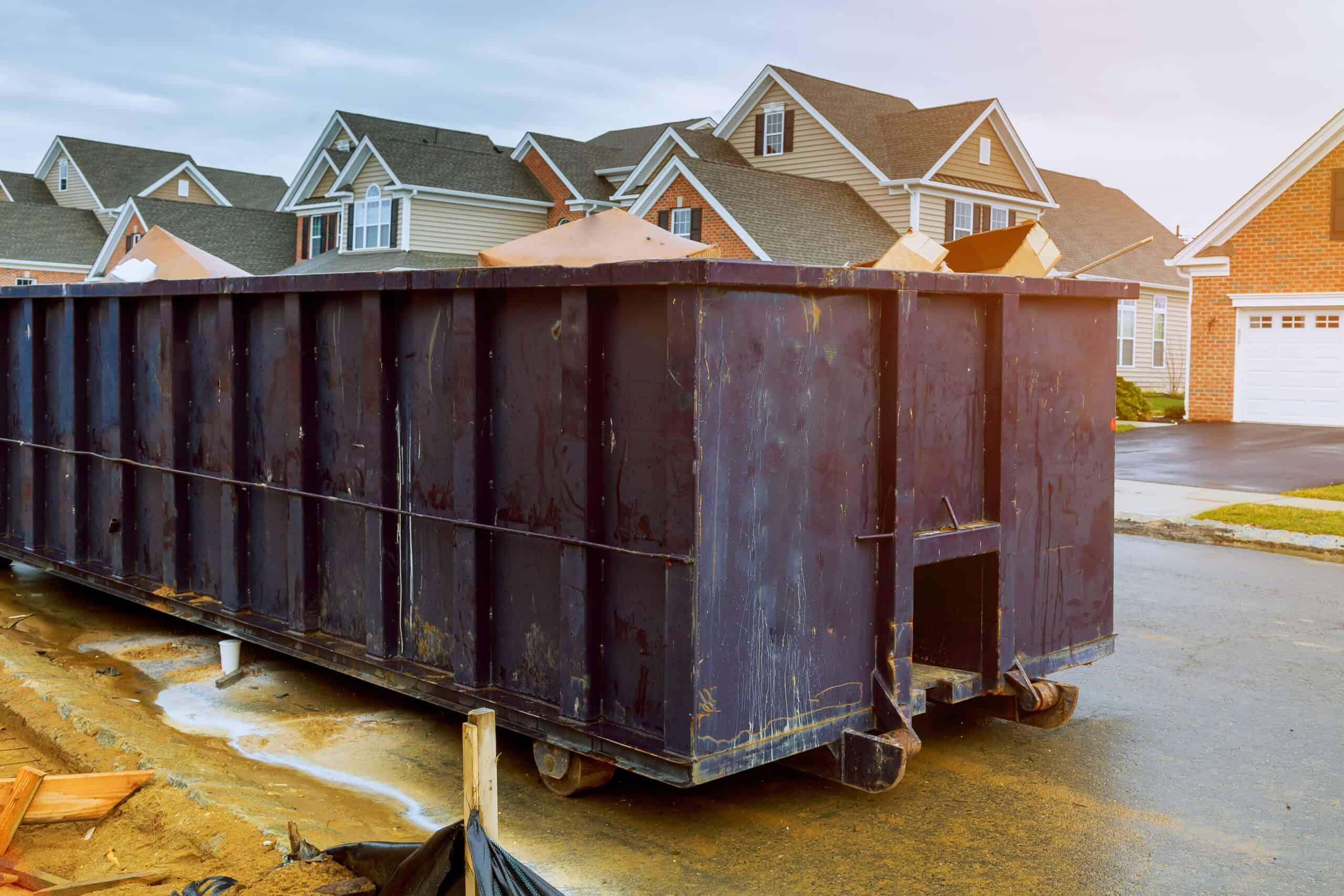
| 20-yard | From $335 | 22 ft x 8 ft x 4 ft | Up to 8 pickup truck loads |
| 30-yard | From $355 | 22 ft x 8 ft x 6 ft | Up to 12 pickup truck loads |
For a fuller picture of what a rental runs once you factor in your size, timeline, and materials, our Cedar Valley dumpster rental cost guide breaks the numbers down by project type.
When weight still matters, even with a flat rate
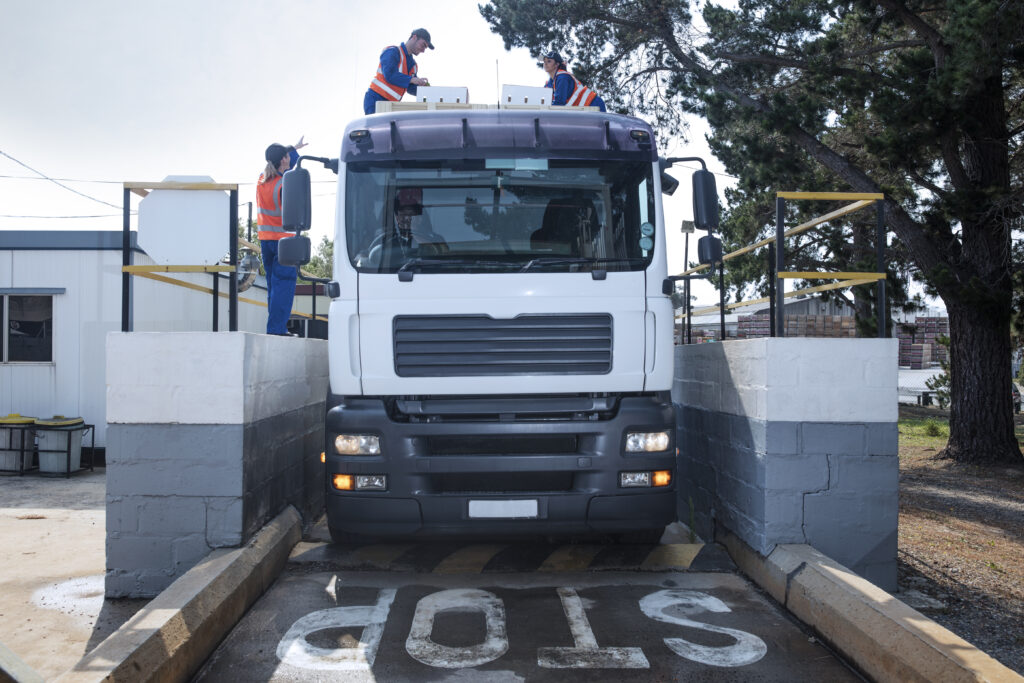
Weight still matters under a flat rate, because trucks are weighed at the landfill and any genuine excess is billed back at $43 per ton. This is the one honest variable in flat-rate pricing, and we would rather you understand it up front than be surprised. For the large majority of household and project loads it never comes into play, but very dense loads can cross the line.
The materials that drive weight up fastest are also the ones a roll-off cannot take at all. Concrete, dirt, and bricks are prohibited entirely, along with liquids, so the heaviest debris never enters the equation. A few items carry a flat surcharge rather than a weight charge: appliances, light fixtures, and LED bulbs are $75 per item.
Local note: Refrigerant appliances such as fridges, freezers, and air conditioners can need special handling. Confirm how yours will be handled when you book, rather than loading it and hoping.
How to estimate your load before you book
The best way to estimate your load is to think in material type, not just volume, because a half-full box of dense debris can outweigh a full box of light junk. Sort your project roughly into heavy items (shingles, plaster, wet wood) and light items (furniture, boxes, general clutter), then size up if the heavy pile is large. Our guide on how to estimate dumpster weight walks through this with Cedar Valley examples.
With a flat rate, good estimating is mostly about choosing the right size and avoiding prohibited heavy materials, not about shaving pounds. That is the quiet advantage of the model. You spend your energy on the project instead of rationing what goes in the box.
Key Takeaways
- Flat-rate pricing fixes the main cost before delivery; pay-by-weight leaves it open until the load is weighed.
- With a pay-by-weight model, a low base fee can end up higher once per-ton charges are added to a heavy load.
- 3D Solutions bills only genuine excess weight, at $43 per ton, after the truck is weighed at the landfill.
- Concrete, dirt, and bricks are prohibited entirely, which keeps the heaviest debris out of the weight calculation.
- Appliances, light fixtures, and LED bulbs carry a $75 per-item surcharge rather than a weight charge.
- Extra rental days are $5 per day, and swap-outs are available if a container fills up.
Dumpster Pricing FAQs
Is flat-rate or pay-by-weight dumpster rental cheaper?
It depends on your load, but flat-rate is more predictable. A pay-by-weight base fee can look cheaper upfront, then pass the cheaper savings once per-ton charges are added to a heavy load. For mixed household and renovation debris, a flat rate usually protects you better because the main cost is set before delivery.
Does 3D Solutions ever charge by weight?
Only for genuine excess. The flat rate covers a normal load, and trucks are weighed at the landfill. If a load is heavy enough to exceed that, the extra weight is billed at $43 per ton. Most everyday loads never reach it.
What does the 3D Solutions flat rate include?
The flat rate covers delivery, pickup, disposal of a normal load, and 14 days of rental time. A 20-yard starts at $335 and a 30-yard starts at $355. Extra days are $5 each, and swap-outs are available if the box fills up.
How do I avoid overage charges on a flat rate?
Keep prohibited heavy materials out and pick the right size. Concrete, dirt, and bricks are not allowed at all, which removes the densest debris from the start. Beyond that, estimating your load by material type before you book keeps you inside a normal weight for the container.
What happens if my load is too heavy for the dumpster?
The truck is weighed at the landfill and any excess is billed to you at $43 per ton. If a container fills or grows too heavy mid-project, a swap-out can be arranged during the rental so the work keeps moving.
Do I pay before or after the dumpster is delivered?
Payment is due on or before delivery. Once a reservation is paid it is non-refundable, so confirm your size and dates before you book. With a flat rate, you already know the main figure at that point.
Can I keep the dumpster longer than the included time?
Yes. Every rental includes 14 days, and additional time is $5 per day if your project runs long. Arranging the extension before the pickup date keeps things simple.
Want one clear price with no scale-day surprises? Book your flat-rate dumpster with 3D Solutions, or call (319) 406-0043 and we will help you pick the right size for your Cedar Valley project.