Choosing between one dumpster vs multiple dump runs comes down to cost, time, and how much your weekend is worth. If you are clearing out a house, a garage, or a remodel in the Cedar Valley, the loaded-down pickup can feel like the cheap option until you count the trips. 3D Solutions is based in Denver, Iowa, and runs roll-off dumpsters out of a Waterloo yard, so before you start hauling, it is worth comparing the real numbers. You can book a flat-rate roll-off online or read on to see how the two stack up.
This guide breaks down what multiple dump runs actually cost once you add fuel, landfill fees, and your own hours, and where a single dumpster wins. Every dumpster figure here is our real flat rate, so you can plan with confidence.
Is One Dumpster Cheaper Than Multiple Dump Runs?
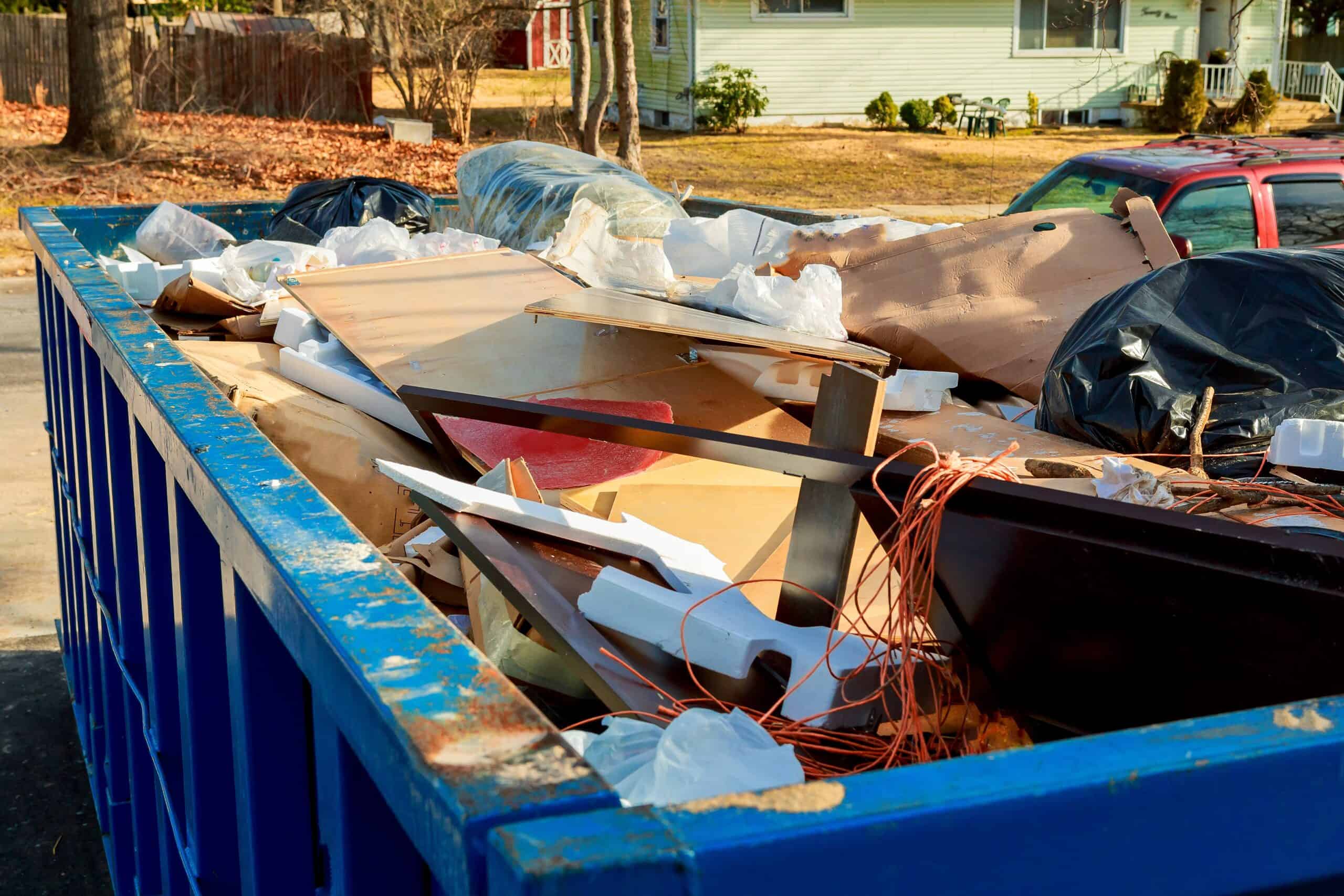
For most cleanouts, one dumpster is cheaper than multiple dump runs once the job passes a few loads. A 20-yard roll-off is a flat rate from 335 dollars with 14 days included, and it holds up to 8 pickup truck loads. To match that with your own truck, you would drive that same 8 loads to the landfill, pay a gate fee each time, and burn fuel and hours on every trip.
The part people underestimate is the landfill bill. Tipping fees are charged by weight at the gate and they vary from facility to facility, so your out-of-pocket cost climbs with every visit and is hard to predict. The State of Iowa regulates these disposal sites, and you can read how the system works through the Iowa DNR solid waste program. With a dumpster, weight is handled once: your load is weighed at the landfill and anything over your included haul is billed at a flat 43 dollars per ton.
How Much Time Do Multiple Dump Runs Really Take?
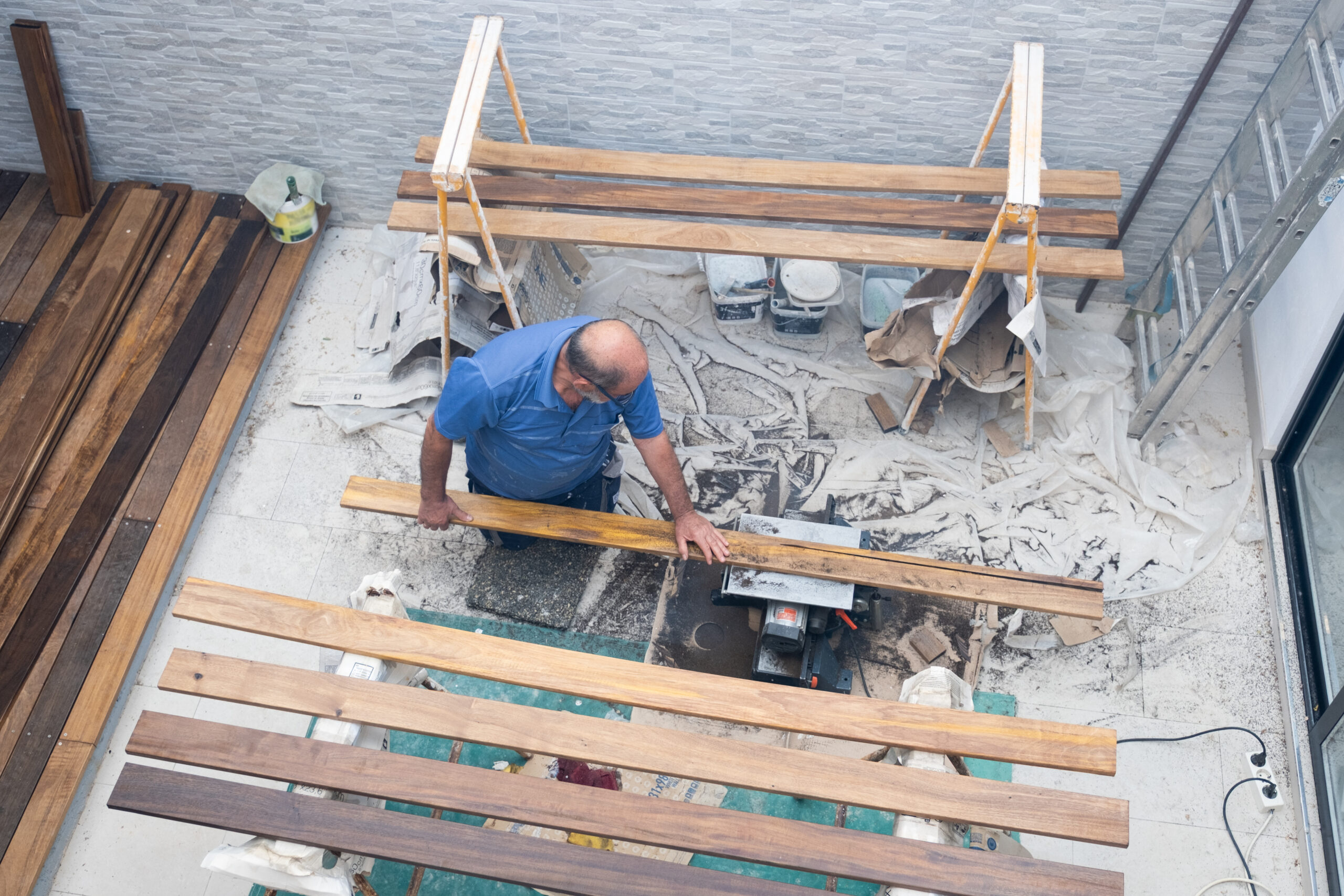
Multiple dump runs eat a full day or more of your time, and that is the cost that never shows up on a receipt. Each trip means loading the truck by hand, driving to the landfill, waiting in line, unloading, and driving back, then doing it all again. Eight loads can turn into eight round trips spread across a weekend.
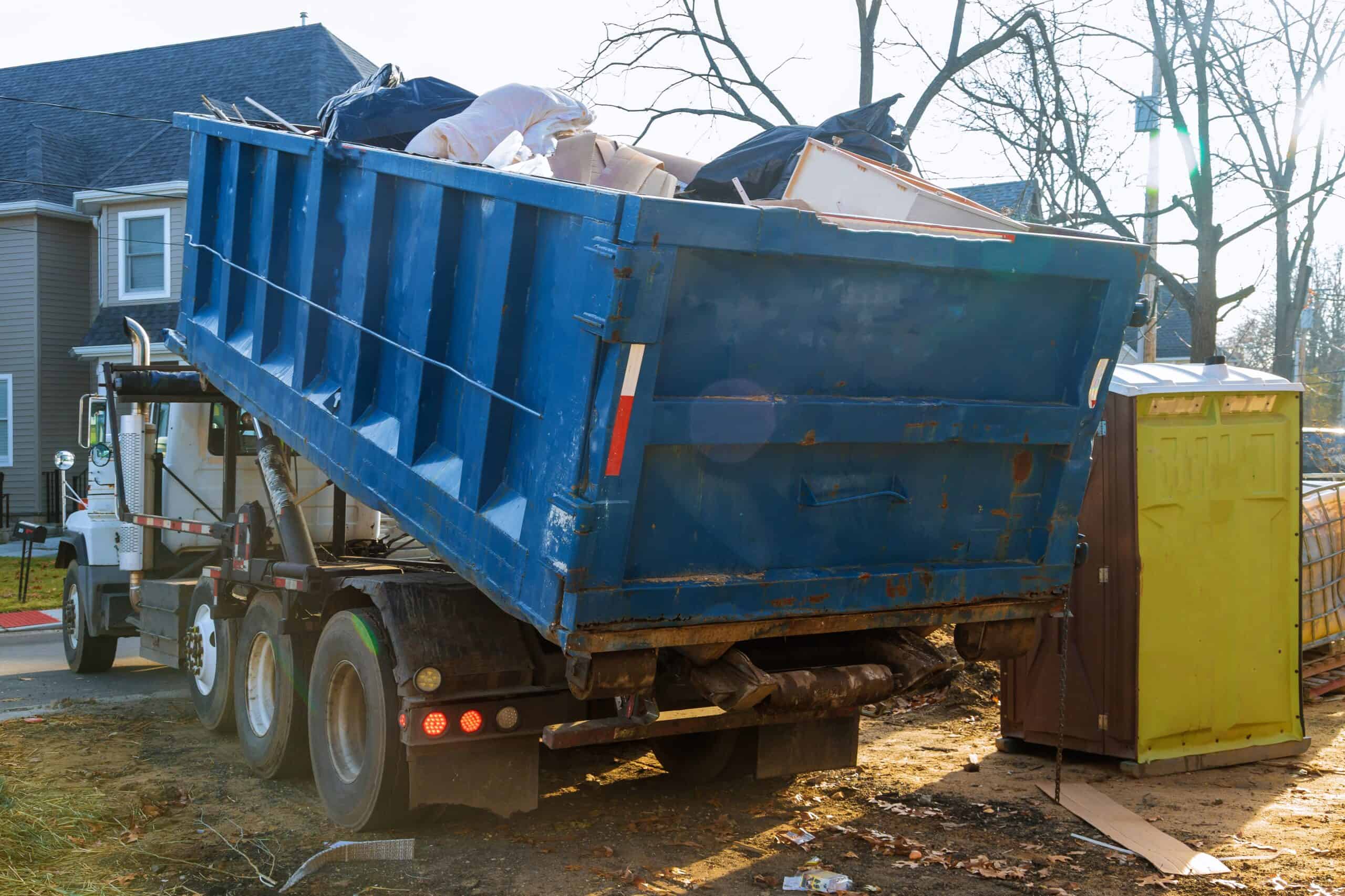
A dumpster flips that. The container sits in your driveway for up to 14 days, so you load on your own schedule, a little at a time, and we haul it away when you are done. There is no waiting in line and no racing to beat the landfill closing time. For a busy homeowner or a contractor on the clock, that recovered time is often worth more than the rental itself.
What Does a Dump Run Actually Cost?
A dump run is never just the gate fee. The real cost is fuel, landfill tipping fees on every visit, wear on your vehicle, and your labor, none of which are fixed. Because those pieces move with each trip, the total is unpredictable, which is the opposite of a flat-rate roll-off. The table below compares the two approaches side by side.
| Factor | Multiple Dump Runs | One Flat-Rate Dumpster |
|---|---|---|
| Trips to the landfill | Several round trips | One drop-off and one pickup |
| Vehicle | Your truck or a rental | None, we haul it |
| Fuel and wear | Out of pocket each trip | Included in the flat rate |
| Landfill fees | Paid at the gate each visit, rates vary | Weighed once, 43 dollars per ton over your haul |
| Your time | Load, drive, wait, repeat | Load at your own pace over 14 days |
| Total cost | Adds up and is hard to predict | Flat from 335 dollars |
When Multiple Dump Runs Make Sense
Multiple dump runs can still be the right call for a very small job. If you have a few bags of trash or a single load of yard waste and a truck already sitting in the driveway, one quick trip beats renting a container. The math only tips toward a dumpster once the volume grows or the job stretches over several days.
It is a fair comparison, and we would rather you rent the right size than pay for space you will not use. If you are honestly looking at one or two truckloads, a dump run is fine. Past that, the trips, fees, and hours start working against you.
When One Dumpster Is the Better Call
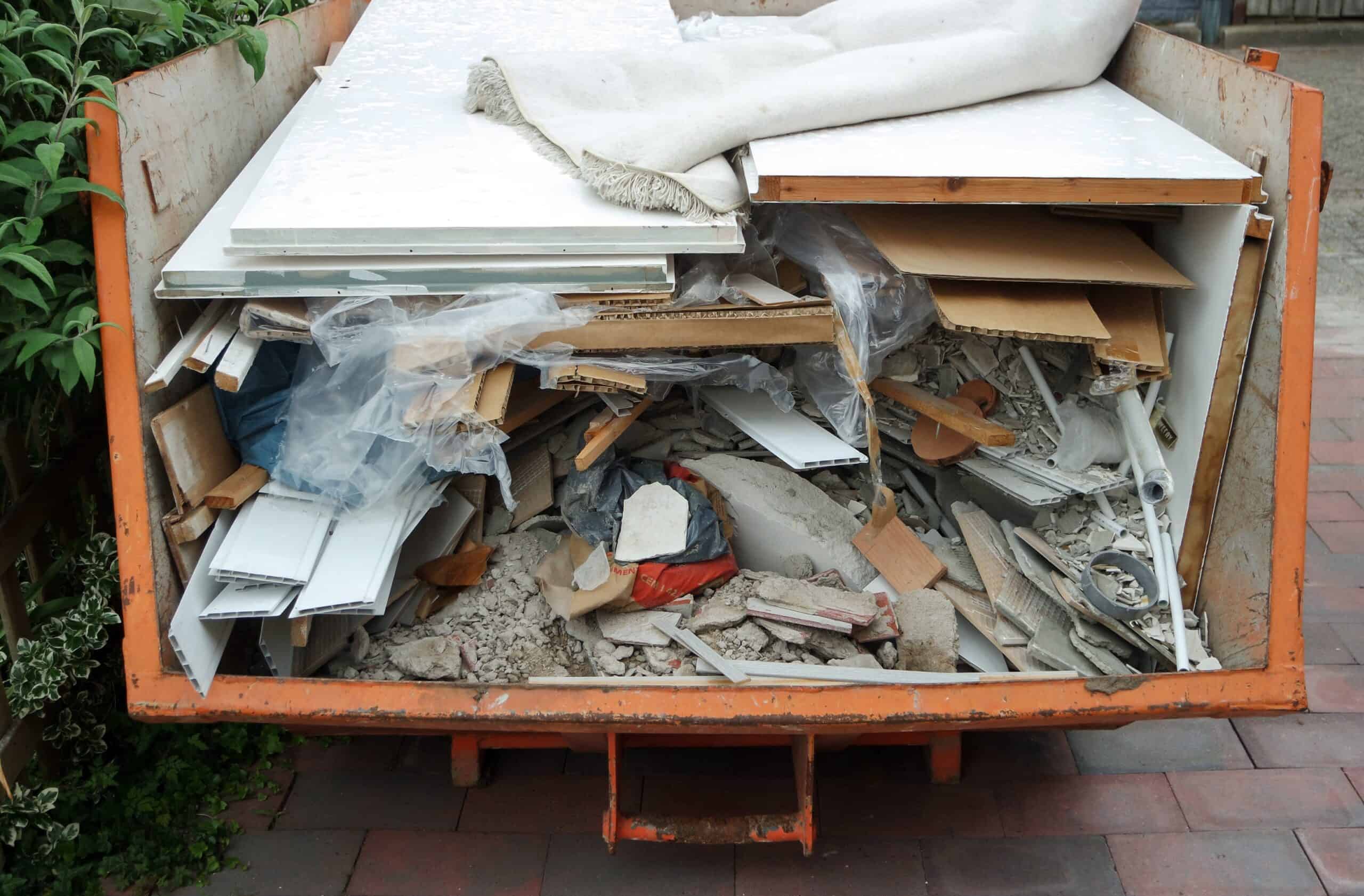
One dumpster is the better call any time the job would take more than two or three trips, or run longer than a single afternoon. Whole-house cleanouts, garage purges, roofing tear-offs, and remodels all generate more debris than a pickup can move efficiently. For a project like that, our home cleanout dumpster guide walks through how to size the container to the mess.
A 20-yard dumpster rental covers most household projects, while a 30-yard suits larger renovations and construction debris. Because the price is flat, you know the number before delivery, with the only add-ons being extra days at 5 dollars each and weight over your haul. If you want the full breakdown, see how our flat-rate pricing works so there are no surprises.
Local note: Landfill tipping fees and hours vary across Black Hawk and Bremer counties, so if you do plan your own dump runs, confirm the current gate rates and closing times with the facility before you load up.
A Simple Way to Decide
The quickest way to settle the dumpster vs multiple dump runs question is to estimate your total loads before you start. Walk the project, picture what has to leave, and count how many full pickup beds it would take. If the answer is one or two, a dump run is reasonable. If it is three or more, or you are not even sure, a single container almost always comes out ahead on both cost and effort.
Then factor in the parts that are easy to ignore. Do you own a truck, or would you have to borrow or rent one? How far is the nearest landfill, and what are its hours? How many weekend hours are you willing to spend driving instead of finishing the job? Those answers usually make the decision obvious. For a light, one-load task the trip is fine, but for a real cleanout the flat-rate roll-off removes the guesswork, the gate fees, and the back-and-forth in one move.
It also helps to think about mess and safety. A loaded pickup can shed debris on the road, strain your suspension, and leave you lifting heavy items twice, once into the truck and once at the landfill. With a dumpster you load a single time, into a container built for the weight, and never touch it again.
Key Takeaways
- A 20-yard roll-off holds up to 8 pickup loads and a 30-yard up to 12, replacing that many separate dump runs.
- A dumpster is a flat rate from 335 dollars with 14 days included, while dump-run costs stack up unpredictably.
- Dump runs cost fuel, landfill fees at every gate, vehicle wear, and hours of your own labor.
- For a few bags or one truckload, a dump run is fine; past two or three loads, one dumpster usually wins.
- With a dumpster, weight is billed once at 43 dollars per ton over your included haul, not on every trip.
Dumpster vs Dump Runs FAQs
Is renting a dumpster cheaper than making multiple dump runs?
Often, yes. A 20-yard roll-off is a flat rate from 335 dollars with 14 days included, while multiple dump runs stack up fuel, landfill fees, and your time on every trip. For anything past a few loads, one dumpster is usually the better value.
How many pickup loads equal a 20-yard dumpster?
A 20-yard roll-off holds up to 8 pickup truck loads, and a 30-yard holds up to 12. That is 8 to 12 separate dump runs replaced by a single drop-off and pickup.
What are the hidden costs of doing your own dump runs?
The costs people forget are fuel, landfill tipping fees charged at the gate, wear on your vehicle, and hours of loading and driving. Tipping fees vary by facility, so the total is hard to predict up front.
Do I need a special vehicle to haul my own debris?
For dump runs you need a truck or trailer that can carry the weight legally and safely. With a rented dumpster, we bring the container and haul it away, so no vehicle of your own is required.
How long can I keep the dumpster instead of making trips?
Every rental includes 14 days on site, and you can extend at 5 dollars per day. That lets you load at your own pace instead of racing back and forth to the landfill.
Can one dumpster handle a whole house cleanout?
Usually yes. Most home cleanouts fit a 20-yard roll-off, and larger ones step up to a 30-yard. Either way it beats a dozen trips in a loaded-down pickup.
What cannot go in the dumpster on either option?
Liquids, concrete, dirt, and bricks are never allowed, and hazardous items like chemicals, batteries, tires, and paint are banned. Appliances, light fixtures, and LED bulbs carry a 75 dollar surcharge each.
Not sure whether your project is a dump-run job or a dumpster job? Contact 3D Solutions and we will help you weigh the trips against the flat rate. Reach us at (319) 406-0043 or [email protected] and we will get the right container on the way.