Dumpster rental vs city bulk pickup comes down to how much you have and what it is made of. For a couch and a couple of chairs, your city’s large item program is usually the right call and the cheaper one. For a basement full of stuff, or anything that came off a wall, a 20-yard roll-off is the tool that actually finishes the job.
3D Solutions is based in Denver, Iowa and runs its containers out of a yard in Waterloo, so we field this question across the Cedar Valley most weeks. Here is the honest version. City programs are genuinely useful and we will tell you when to use one. We will also tell you where they stop, because finding that out on collection morning is an expensive way to learn it.
What City Bulk Pickup Usually Covers
Most Cedar Valley cities run some form of large item or bulk collection for households on an active refuse account, and it is built for furniture, not projects. Expect a scheduled pickup rather than an on-demand one, a cap on how many items you can set out, and a charge that is either per stop or per item. The specifics differ from city to city, so treat this as the general shape and confirm the details with yours.
- You usually have to call and schedule rather than set things out whenever you like.
- Items typically go curbside the night before the collection date.
- Item counts are commonly capped, and going over the cap often costs more.
- Appliances, televisions, and computers frequently carry their own separate fee.
- Bagged household garbage is generally not part of the program.
For a worked example of how one of these programs reads, the City of Cedar Falls bulk items page lays out its scheduling, limits, and fees. Every city writes its own rules and they change, so use your own city’s page as the source of truth rather than anything you read here.
Where City Programs Stop
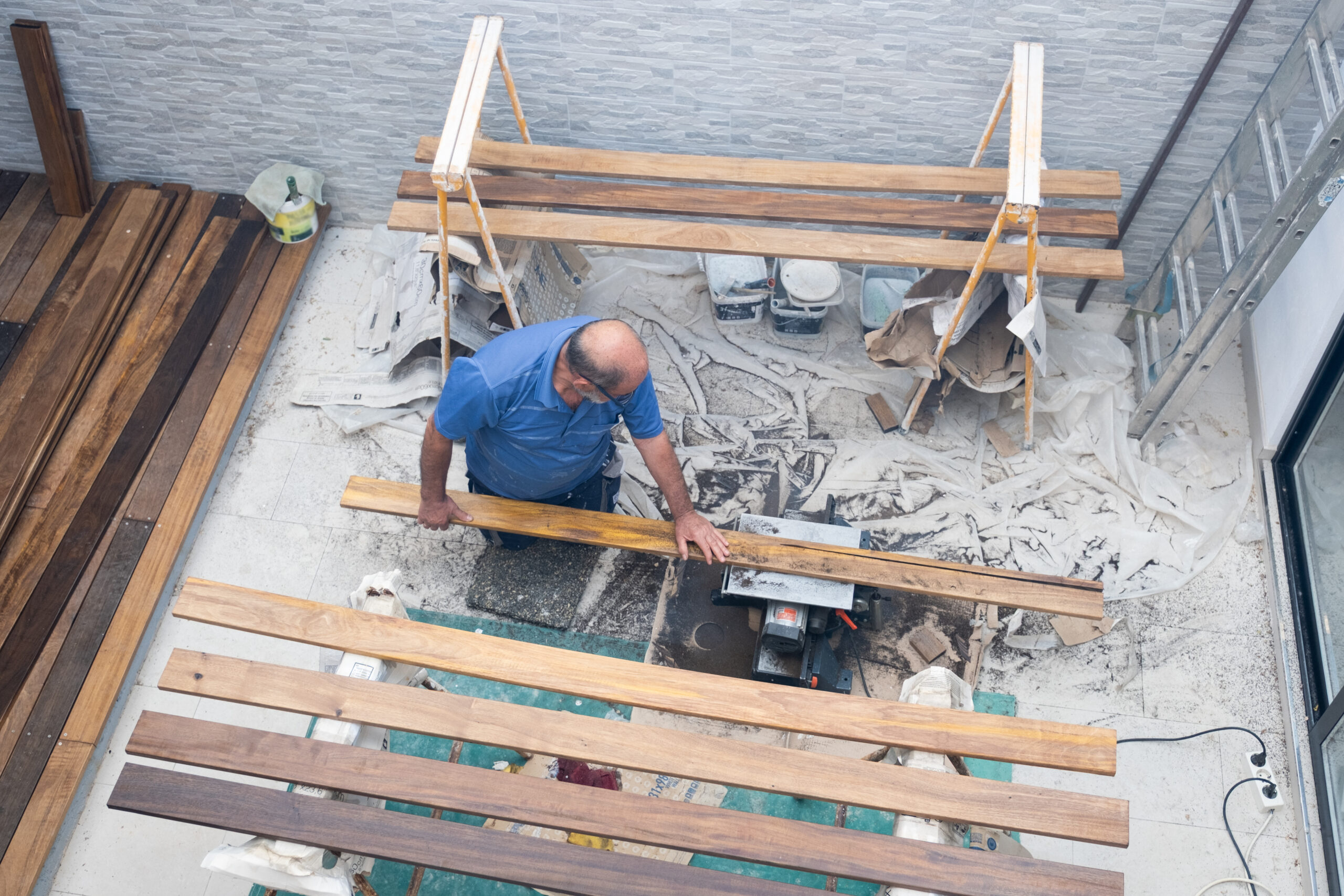
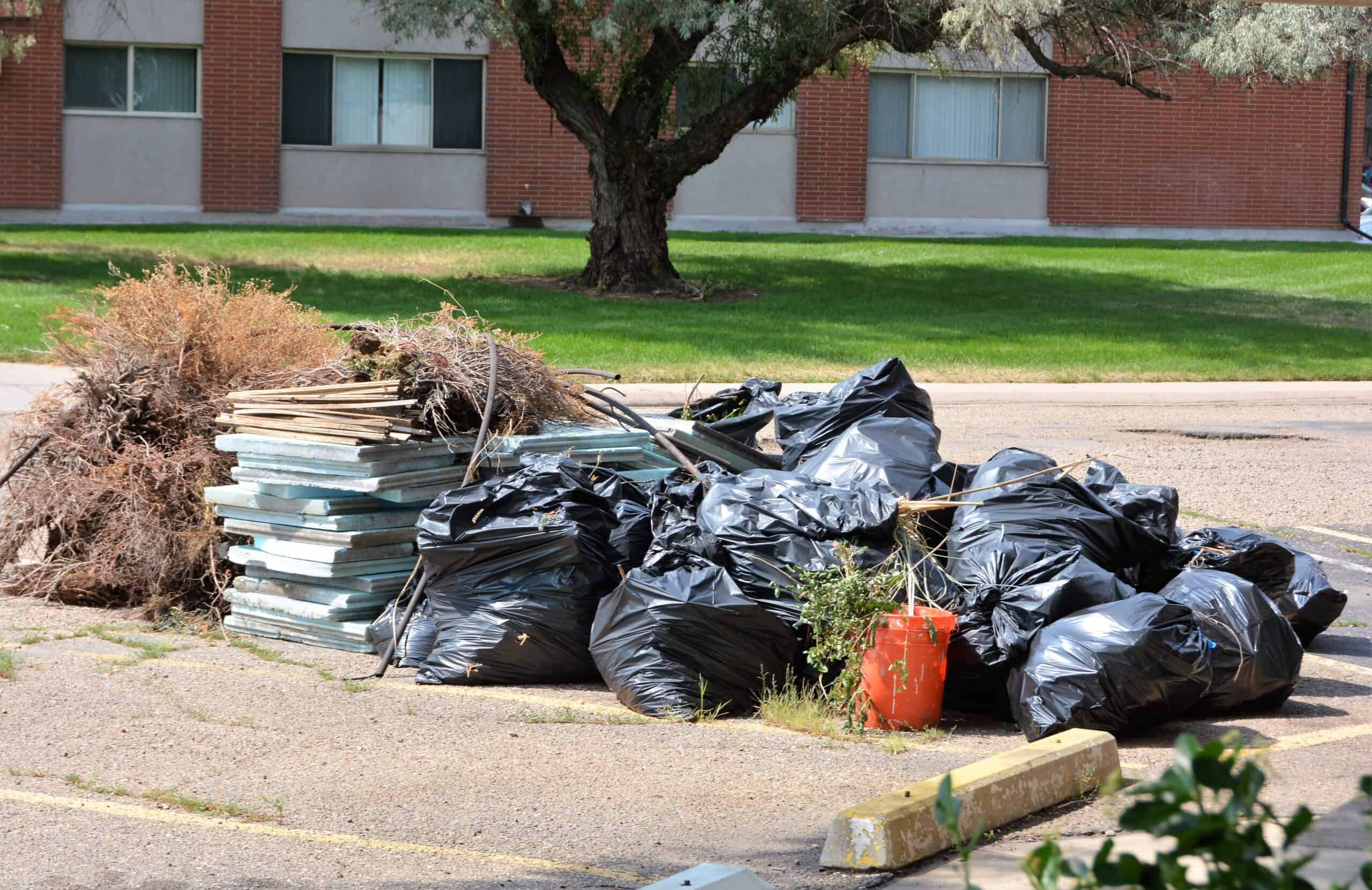
Bulk programs stop at construction and remodeling debris. Drywall, roofing, flooring, decking, plaster, cabinets, and framing lumber are commonly excluded, along with hazardous material and heavy inert waste like concrete, dirt, and brick. If your pile came out of a wall or off a roof, a city truck is generally not going to take it.
There is a volume ceiling too, and it catches people more often than the material rules do. A garage or basement cleanout produces far more than a typical item cap allows, so what looks like one free-ish pickup turns into three or four scheduled stops spread across weeks. That is the point where the flat-rate container stops being the expensive option.
Dumpster Rental vs City Bulk Pickup on Cost
The cost logic is different, not just the number. City programs generally price per stop or per item, so the more you have, the more fees and trips you stack up. A roll-off is one flat rate for the whole container, so the price does not move when you find three more boxes in the crawlspace.
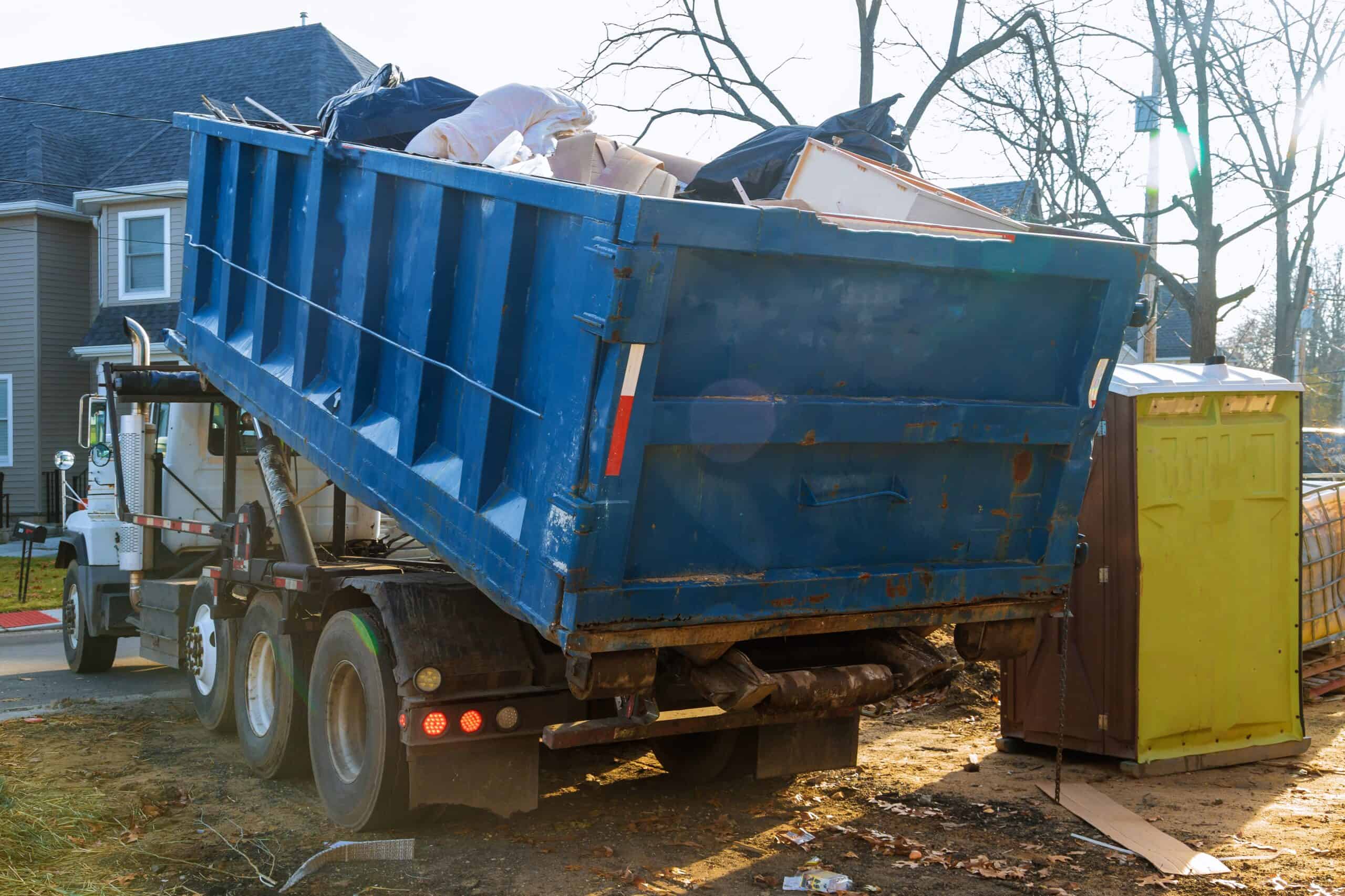
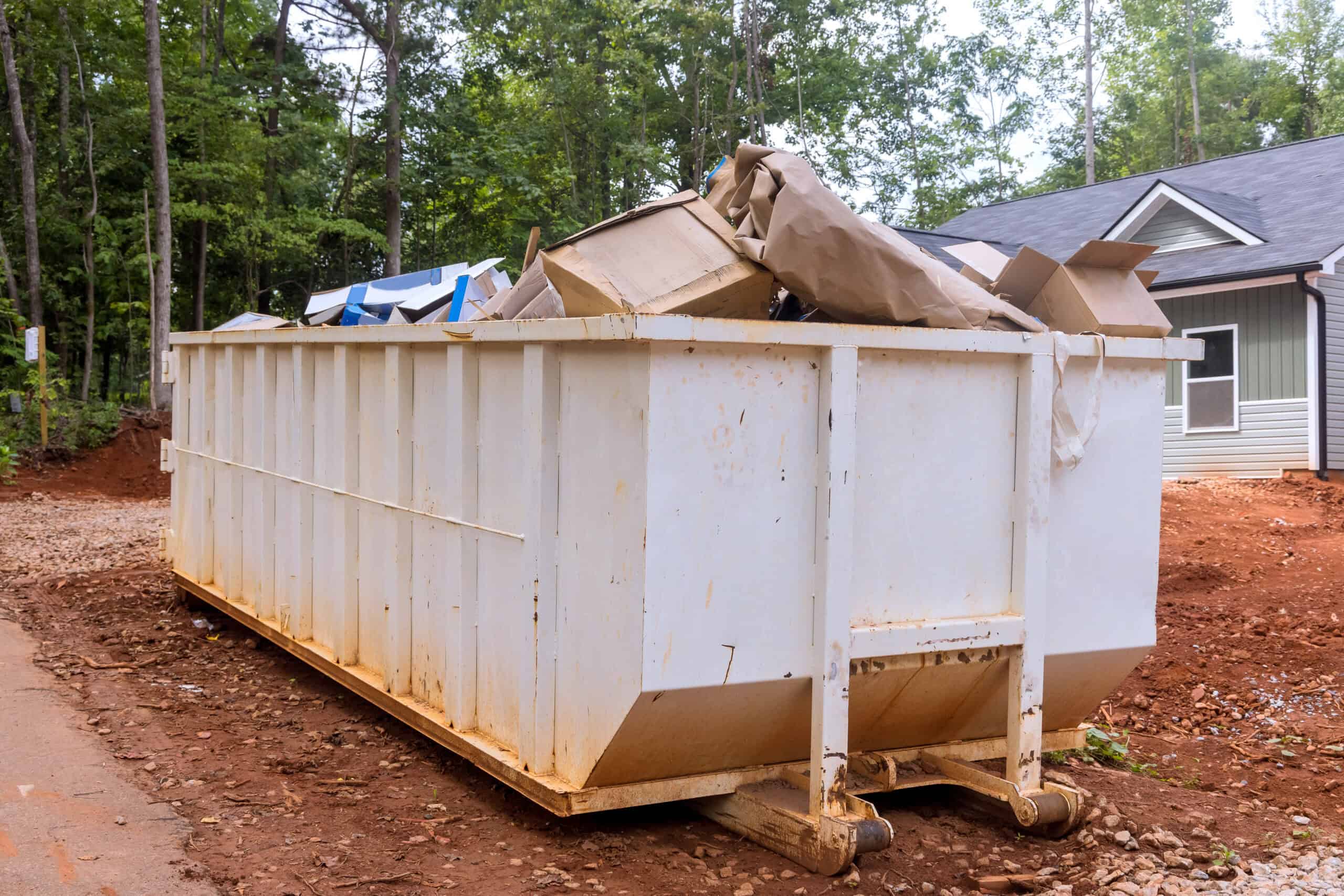
Our side of that comparison is fixed and published. A 20-yard starts at a flat $335 and holds up to 8 pickup truck loads. A 30-yard starts at $355 and holds up to 12. Both include 14 days on site, extra days run $5 per day, and trucks are weighed at the landfill with excess weight billed at $43 per ton. What your city charges is its own business and it varies, so put your own numbers in the left column before you decide.
| Factor | City bulk pickup (varies by city) | Roll-off dumpster rental |
|---|---|---|
| Built for | Household furniture and large items | Whole projects and cleanouts |
| Volume | Item counts commonly capped, confirm locally | Up to 8 pickup loads (20-yard) or 12 (30-yard) |
| Pricing | Often per stop or per item, varies by city | Flat rate from $335 (20-yard) or $355 (30-yard) |
| Construction debris | Commonly excluded, confirm locally | Accepted |
| Timing | Set collection days or by appointment | Delivered in 24 to 48 hours, 14 days on site |
| Where it sits | Curbside on the collection day | Your driveway for the whole rental |
What You Can Load That the City Will Not Take
A roll-off takes household junk, furniture, construction debris, roofing materials, mattresses, and electronics in the same container. That mix is the main practical difference. You are not sorting the remodel debris away from the old recliner and running two separate processes for them.
There are still limits, and they are worth knowing before you load. Liquids, concrete, dirt, and bricks are never accepted. Neither are hazardous items like chemicals, batteries, tires, and paint. Appliances, light fixtures, and LED bulbs carry a $75 per item surcharge. Refrigerant appliances such as fridges, freezers, and window air conditioners need a quick conversation first, so ask about handling when you book rather than assuming either way.
Containers are loaded by hand, not with machinery, and damage caused by negligent loading is the customer’s responsibility. If a load turns out to contain something the truck cannot haul, you have to empty it and charges may apply.
How Long Each One Takes
A city program runs on the city’s calendar. A roll-off runs on yours. Bulk collection usually means calling to schedule, waiting for the assigned day, and having everything at the curb the night before, and how far out that day falls varies by city and season.
Our containers go out within 24 to 48 hours of a paid reservation, with same day delivery often available depending on location and demand. Once it lands you have 14 days to fill it at whatever pace the project allows, and if you fill it early we can swap it out mid rental. If you have been weighing this against hauling it yourself in multiple dump runs, the time math there works out similarly.
Which One Fits Your Project
Use your city’s program when you have a small number of qualifying household items, no deadline, and nothing from a construction project in the pile. Rent a container when the volume is more than a few pieces, the material list includes anything structural, or you need it gone on your own schedule.
- City program. One couch, a mattress, a grill, and time to wait for the collection date.
- 20-yard roll-off. A garage, a basement, a single-room remodel, or a mixed load of furniture and debris.
- 30-yard roll-off. A full-house cleanout, a bigger remodel, or anything bulky and light like decking and cabinets.
If you are still deciding between hiring the work out and doing it yourself, our comparison of dumpster rental and junk removal covers that third option, and our residential dumpster rental page covers the household side in more detail.
Local note: Bulk pickup limits, fees, and collection days are set by each city and they change. Waterloo, Cedar Falls, Denver, Waverly, and every other town on our map runs its own version. Confirm the current rules with your own city before you plan around them.
How to Check Your City’s Rules Before You Decide
Ten minutes of checking usually settles the question, and it is worth doing before you start dragging things to the curb.
- Find your city’s solid waste or public works page and look for large item or bulk collection.
- Check the item cap and whether the fee is per stop or per item.
- Read the excluded list carefully, especially for construction debris and appliances.
- Ask how far out the next available collection date is.
- Count what you actually have. If it clears the cap, or the excluded list rules out half the pile, a container is the simpler answer.
Key Takeaways
- City bulk programs are built for a few household items, not for projects.
- Construction and remodeling debris is commonly excluded from city collection.
- City pricing usually scales with item count, while a roll-off is one flat rate.
- Item caps, fees, and collection days vary by city and change, so confirm locally.
- A 20-yard holds up to 8 pickup loads, a 30-yard up to 12, both with 14 days on site.
- Using both can make sense: the city for qualifying furniture, a container for the rest.
Dumpster Rental vs City Bulk Pickup FAQs
Is city bulk pickup cheaper than renting a dumpster?
For a small number of qualifying household items, usually yes. City programs are built for a few large pieces and priced accordingly, while a roll-off is a flat rate for a whole container. The math flips once you have more than a few items or anything the city will not accept. Check your own city’s current fees, because they vary and they change.
Will my city take construction debris?
Generally no. Large item and bulk programs are commonly limited to household furniture and appliances, and construction or remodeling debris is usually excluded along with concrete, dirt, and brick. Confirm with your own city before you set anything out.
How many items can I put out for city pickup?
Most programs cap it, and the cap differs by city. Some also charge more once you pass a certain count. Call your city or read its solid waste page for the current limit, since this is one of the details that changes most often.
What size dumpster should I get instead of bulk pickup?
For a room or two of furniture and general household clearing, a 20-yard roll-off holds up to 8 pickup truck loads and starts at a flat $335. For a full-house cleanout or anything with remodel debris mixed in, the 30-yard holds up to 12 loads and starts at $355.
Can I use both the city program and a dumpster?
Yes, and sometimes that is the smart play. Put the few qualifying furniture pieces out on your city’s collection day and rent a container for everything the city will not take. Confirm your city’s item limits first so you are not left with a pile at the curb.
Do I need a permit for the dumpster?
On your own driveway or private property you typically need nothing. On a public street or sidewalk a local permit may be required, and those rules vary by city, so check with your city offices before delivery day.
How long can I keep the container?
Every rental includes 14 days on site. Extra days are $5 per day, and if you fill it before you are finished we can swap it out during the rental.
What happens if I load something that is not allowed?
If a load contains liquids, concrete, dirt, or bricks and the truck cannot haul it, you have to empty it and charges may apply. Hazardous items like chemicals, batteries, tires, and paint are never accepted and belong at a proper collection point.
Still not sure which way to go? Tell us what is in the pile and roughly how much of it there is, and we will tell you honestly whether your city can handle it or whether a container makes more sense. Call (319) 406-0043, use our contact page, or email [email protected].