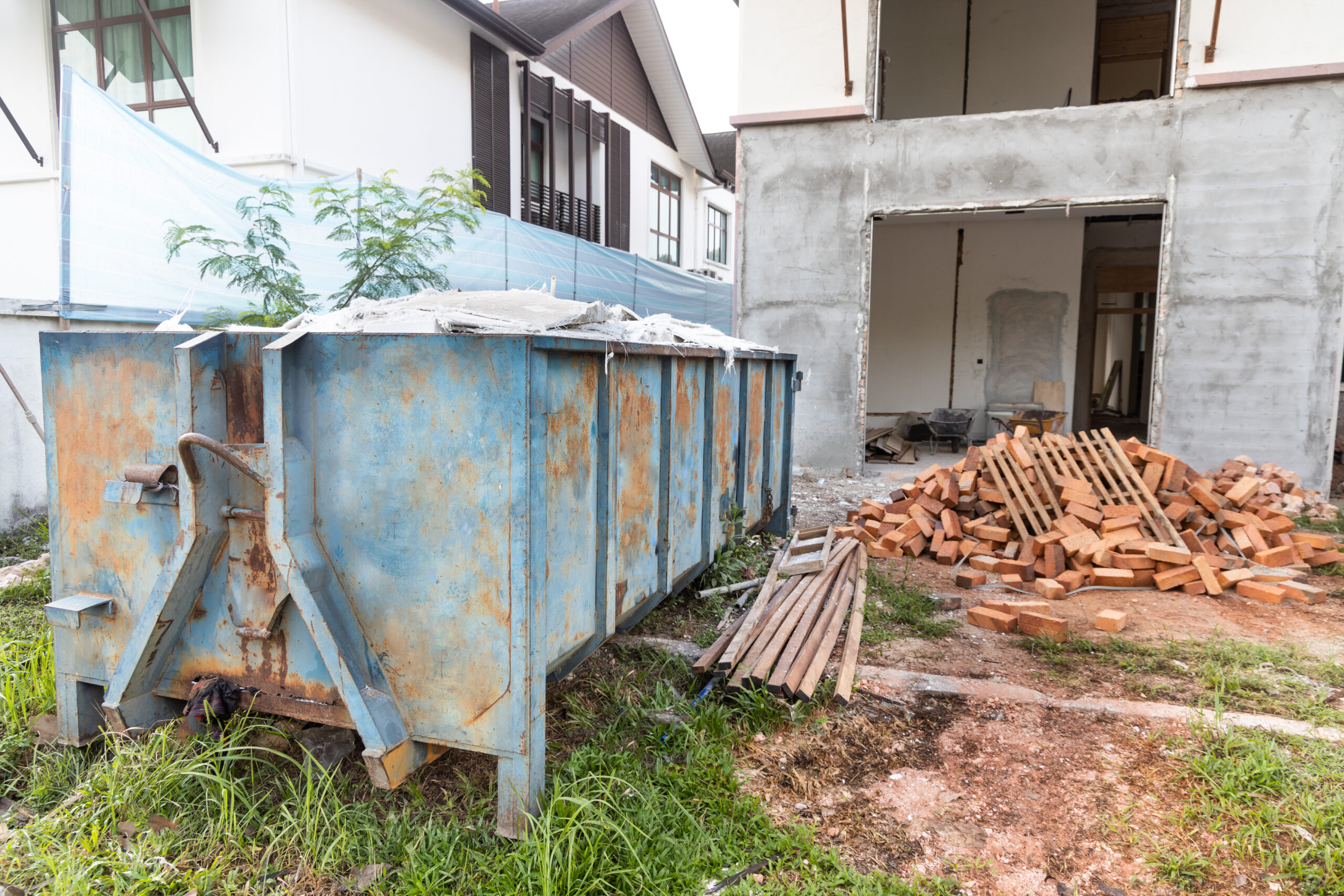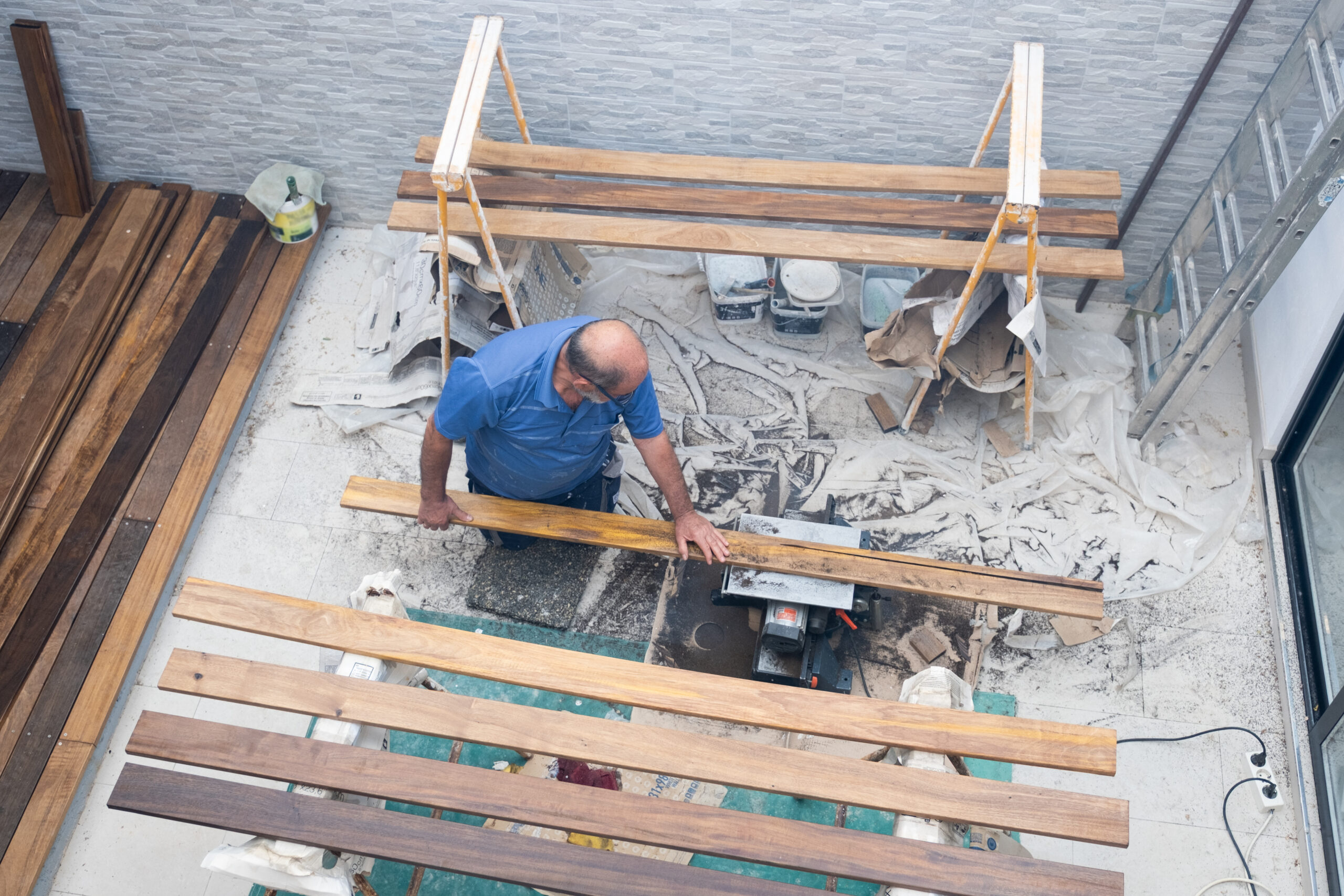
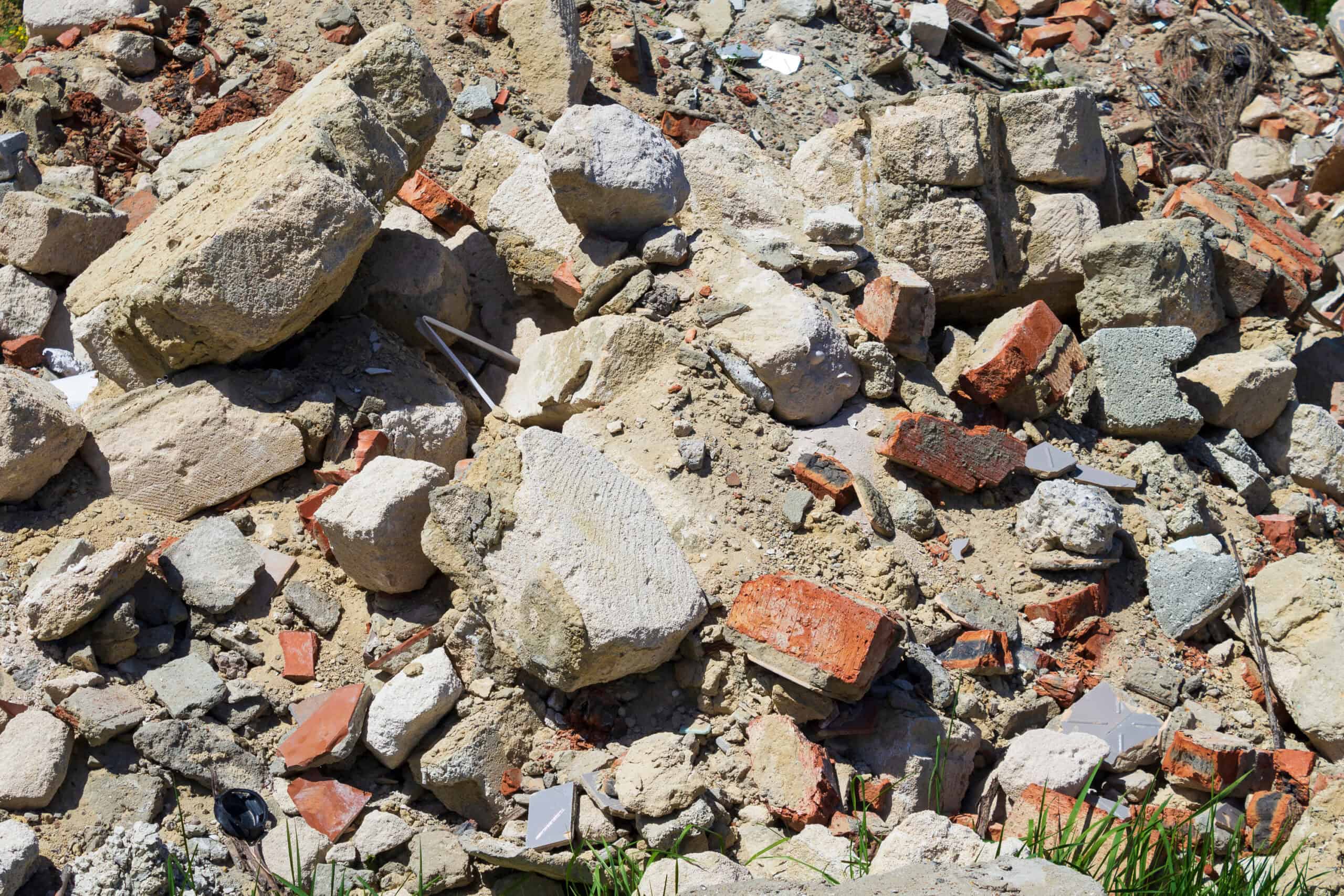
If your Cedar Valley project involves busting up a patio, digging out a garden bed, or tearing down an old brick wall, you will quickly hit a hard rule: concrete, dirt, and bricks cannot go in a roll-off dumpster. It is one of the most common surprises homeowners and contractors run into mid-project. 3D Solutions is based in Denver, Iowa, and rents roll-off dumpsters across the region, so this guide explains why these heavy materials are off-limits and where they actually need to go. When you are ready to handle the rest of the debris, you can book a roll-off dumpster online in a few minutes.
The short answer is weight. Concrete, dirt, and bricks are dense enough to overload a truck, and the landfill will not accept them mixed with regular trash. The good news is that clean, sorted versions of these materials have their own disposal and recycling paths across Bremer County, Black Hawk County, and the wider Cedar Valley. Below, we cover what your dumpster can take, where each heavy material goes, and how to plan a renovation so nothing stalls your schedule.
Why Can’t You Put Concrete, Dirt, or Bricks in a Dumpster?
Concrete, dirt, and bricks are not allowed in a roll-off dumpster because they are extremely heavy and the landfill will not accept them mixed with regular debris. Trucks are weighed at the landfill, and a single load of these materials can exceed what a roll-off can legally and safely haul.
A roll-off is built for the volume of a cleanout or remodel, not the concentrated weight of solid masonry and soil. Even a partially filled container of concrete can put a truck over the axle limits that keep roads and drivers safe. Landfills also separate clean inert material like concrete and dirt from household and construction waste, because those materials can be crushed and reused rather than buried. Liquids fall under the same never-allowed rule. If a load shows up with concrete, dirt, or bricks in it and the truck cannot haul it, you will need to remove those materials first, and there may be a charge.
What a Roll-Off Dumpster Can Take Instead
Your roll-off can take almost everything else from a renovation or cleanout: household junk, furniture, construction and remodeling debris, roofing shingles, mattresses, and electronics. The rule of thumb is that anything which is not heavy inert material or hazardous waste is usually fine to load.
A few materials still carry rules. Hazardous items such as chemicals, batteries, tires, and paint are never allowed. Appliances, light fixtures, and LED bulbs carry a $75-per-item surcharge, and refrigerant appliances like refrigerators and freezers are handled case by case, so confirm those at booking. Heavy debris like roofing shingles is allowed but adds up quickly against the $43-per-ton weight billing, so plan the size accordingly. For the full accepted list, see our guide to what you can put in a rental dumpster.
Where to Take Concrete
Broken concrete usually goes to an aggregate or concrete recycler, or to an approved clean-fill site where it is crushed and reused as base material. It does not belong in your dumpster or your household trash.
Recyclers crush old concrete into gravel and road base, which keeps it out of the landfill and often costs less than disposal. Some landscape supply yards also accept clean concrete. Keeping the material clean, meaning free of trash, wood, and soil, makes it easier to drop off and may lower the fee. Locations, hours, and charges vary by city and county, so contact your local landfill or public works office to confirm the nearest site before you load a trailer.
Where to Take Clean Dirt and Soil
Clean dirt and soil typically go to a designated clean-fill site or a landscape supply yard that accepts fill, not to a dumpster. Clean fill means soil that is free of debris, roots, concrete, and contaminants.
Some fill sites take clean soil at no charge because it is useful for grading and construction, while others charge a small tipping fee. Contractors often move usable topsoil to another part of the same property to avoid hauling it at all. Because clean-fill programs are set locally and can change, confirm with your city, county, or a nearby landscape supplier what they accept and whether the soil needs to be tested or sorted first.
Where to Take Bricks and Masonry
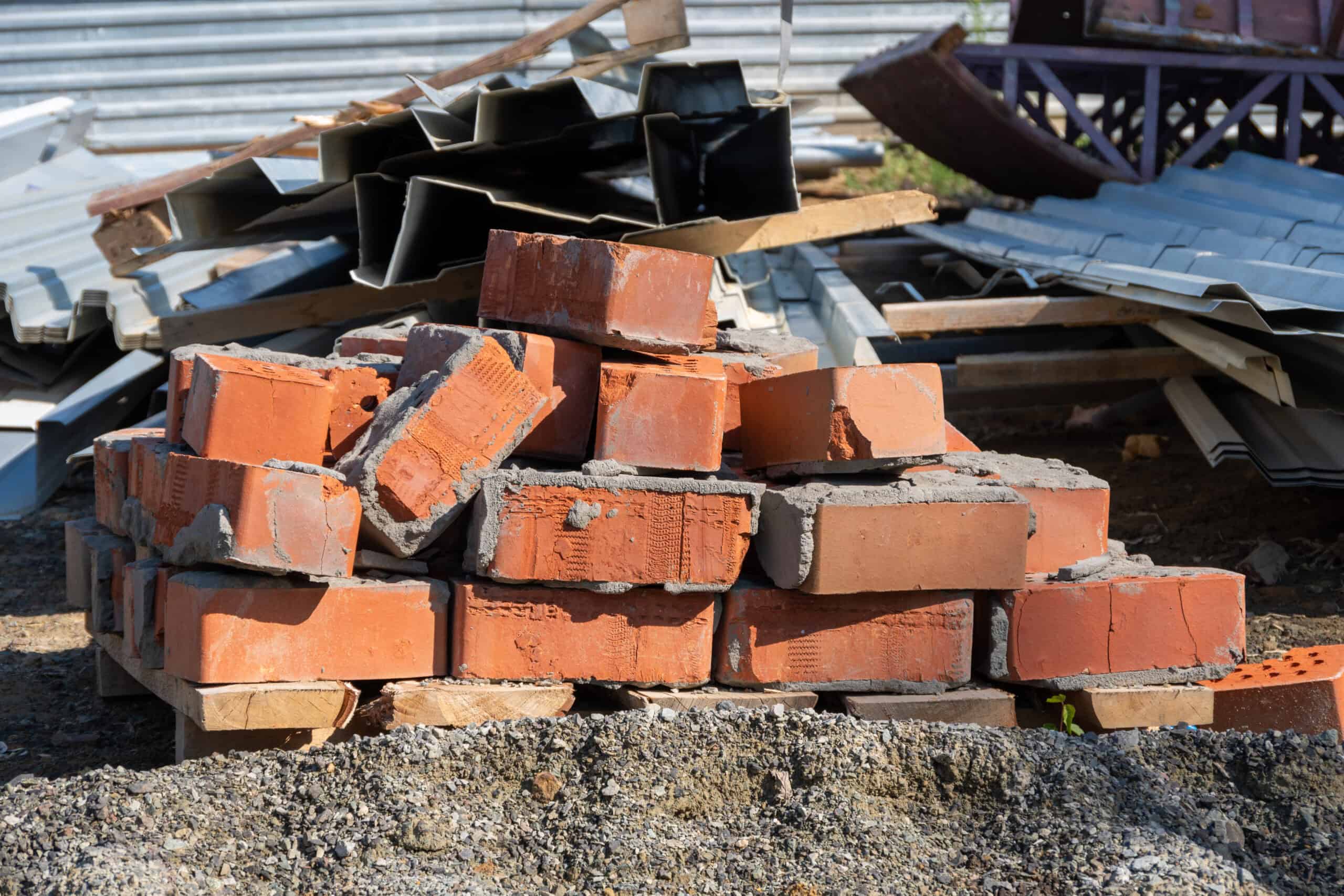
Bricks and masonry are best reused or recycled. Whole, usable bricks often go to a salvage yard or get reused on site, while broken pieces can go to an aggregate recycler with other clean concrete and stone.
Old brick has real value for landscaping, edging, and restoration work, so it is worth setting aside anything intact before it breaks. Damaged brick and block behave like concrete for disposal, which means the same recyclers usually take them. As with concrete and dirt, availability differs by community, so check with local suppliers, salvage yards, or your city for the closest option.
Planning a Renovation With Mixed Debris
The simplest way to handle a renovation with mixed debris is to separate the heavy inert material from everything else before it goes in the dumpster. Put concrete, dirt, and bricks in their own pile for the right facility, and load the wood, drywall, roofing, and general debris into your roll-off.
Sorting as you demolish saves the most time. A quick staging area for masonry keeps it from ending up in the container by accident, which protects you from a rejected load or an extra charge. For a larger build or tear-out where the non-inert debris is the bulk of the job, a construction dumpster rental handles the wood, drywall, and packaging while the heavy material heads to a recycler. The table below shows the quick version.
| Material | Allowed in a roll-off? | Where it goes instead |
|---|---|---|
| Concrete | No | Aggregate or concrete recycler, or approved clean-fill site (varies locally) |
| Dirt and soil | No | Clean-fill site or landscape supply yard (varies locally) |
| Bricks and masonry | No | Salvage and reuse, or aggregate recycler |
| Wood, drywall, general debris | Yes | Load it in the roll-off |
| Roofing shingles | Yes | Load it in the roll-off, and plan for weight at $43 per ton |
Disposal Across the Cedar Valley
Because clean-fill and recycling options are set by each city and county, the exact drop-off site for your concrete, dirt, or bricks depends on where you are. 3D Solutions serves communities across Bremer County and Black Hawk County, and we can point you toward the right local option when you book.
From our base in Denver and our yard in nearby Waterloo, we deliver roll-off dumpsters throughout the region for the debris the dumpster can take. You can see the towns we cover on our service area page, and reach out anytime if you are not sure whether a material belongs in the container or at a recycler.
Local note: Clean-fill and concrete recycling programs differ from one Cedar Valley community to the next, and some sites require the material to be clean and sorted. Confirm the current rules and fees with your city, county, or local landfill before you haul anything.
Key Takeaways
- Concrete, dirt, and bricks are never allowed in a roll-off dumpster because of their weight and landfill rules.
- Concrete goes to an aggregate or concrete recycler; clean dirt goes to a clean-fill site or landscape supplier.
- Whole bricks are worth reusing or sending to salvage, while broken masonry goes to a recycler.
- Your roll-off still handles wood, drywall, roofing, furniture, and general renovation debris.
- Separate heavy inert material before pickup to avoid a rejected load or an extra charge.
- Drop-off sites and fees vary by city and county, so confirm locally before hauling.
Concrete, Dirt, and Brick Disposal FAQs
Why can’t I put concrete in a dumpster?
Concrete is not allowed in our roll-off dumpsters because it is extremely heavy and the landfill will not take it mixed with regular debris. Trucks are weighed at the landfill, and a load of concrete can exceed what a roll-off can safely and legally haul.
Where can I dispose of broken concrete in the Cedar Valley?
Broken concrete usually goes to an aggregate or concrete recycler, or an approved clean-fill site where it is crushed and reused. Drop-off options vary by city and county, so contact your local landfill or public works office to confirm the nearest site and any fees.
Can I put dirt or soil in a roll-off dumpster?
No. Dirt and soil are not allowed because of their weight. Clean fill often goes to a designated clean-fill site or a landscape supply yard that accepts soil, and availability varies locally, so confirm before you haul it.
What about bricks and old masonry?
Bricks and masonry are not allowed in the dumpster. Whole bricks are often reused or sent to a salvage yard, while broken pieces can go to an aggregate recycler. Check with local suppliers or your city for the closest option.
What can I put in the dumpster during a renovation?
You can load household junk, furniture, construction and remodeling debris, roofing shingles, mattresses, and electronics. Keep concrete, dirt, bricks, and liquids out, and remember heavy materials like shingles add up against the $43 per ton weight billing.
Will 3D Solutions haul a load that has concrete or dirt in it?
If a load contains concrete, dirt, or bricks and the truck cannot safely haul it, you will need to remove those materials first and may face a charge. Separating heavy inert material before pickup keeps your project on schedule.
Do I need special handling for concrete disposal?
Rules for concrete and clean-fill disposal vary by city and county, and some sites require the material to be clean and sorted. Contact your local landfill, transfer station, or public works office to confirm what they accept and any fees.
Sorting out what goes where on your Cedar Valley project? Call 3D Solutions at (319) 406-0043, email [email protected], or send a message through our contact page and we will help you plan the dumpster and point you toward the right spot for the heavy stuff.